
Introduction:
Once opposite a potential killing emergency with your canine friend, sympathetic good emetic procedures can be serious for their existence. This complete https://allaboutpaw.com/pets-care/hydrogen-peroxide-for-dogs/veterinary source outlines evidence-based procedures for inducing organized emesis in dogs resulting toxic digestion incidents, with a major focus on the suitable administration of dilute hydrogen hydrogen peroxide solution as a first-response interference.
The resulting guide offers veterinary-approved dosage controls, contraindications, nursing procedures, and repossession practices to ensure pet owners can respond excellently under professional management. It emphasizes the dominant importance of veterinary discussion before endeavoring any emetic actions and highlights situations where making vomiting may cause larger harm than value.
Advanced with input from alternative veterinary authorities, this source aims to equip pet proprietors with the information to respond properly during the serious minutes resulting toxic digestion while awaiting certified involvement.

Inducing Vomiting in Dogs – General Methods
Emergency First Response Techniques
When facing a toxic ingestion emergency, knowing how to induce vomiting in dogs can be lifesaving, but this should only be done under proper guidance. I educated this direct when my Labrador ate coffee, and my vet nearly instructed myself on the safest way to make dog throw up using hydrogen bleach (1 teaspoon per 10 pounds). If you’re doubting how to make my dog throw up, not ever use salt, ipecac, or physical methods like finger-down-throat, which can cause grave damage.
Instead, when seeking how to make a dog vomit, call your veterinarian first as timing matters tremendously—some substances shouldn’t come back up at all. Through an extra with my national’s pup who ate rat toxic, we open that meaningful how to get dog to vomit right means also amassing what comes up in a bottle for the vet to inspect. Recall that this process should only be made when exactly absorbed by a veterinary skilled who recognizes your dog’s certain condition and the exact toxin complex.
Non-Traditional Emergency Options
After hydrogen peroxide isn’t existing, pet holders often search for replacements in emergencies. Already travelling how to make dog throw up without hydrogen peroxide, know that most home remedies to induce vomiting in dogs lack veterinary care and may be risky. I once witnessed a terrified neighbor attempt using baking soda to make dog vomit after their retriever ate rat poison – this method is ineffective and can cause dangerous electrolyte imbalances or even rupture the stomach.
Even more concerning is advice about how to make dog vomit with fingers, which I strongly advise against after seeing complications at our clinic, including throat injuries and aspiration.
During my veterinary assistant years, we treated a dog who suffered esophageal damage from an owner’s well-intentioned but misguided attempt at manual induction. Instead of home experiments, keep your veterinarian’s number readily accessible, contact pet poison control immediately (1-888-426-4435), and follow only professional guidance during these frightening situations – improper techniques can worsen an already dangerous situation.

Hydrogen Peroxide Usage
Proper Emergency Administration
Once fronting possibly toxic digestion states, many pet proprietors question whether firm family remedies can benefit. Is hydrogen peroxide safe for dogs? In limited emergency circumstances and only under veterinary guidance, it can be an appropriate intervention. My experience as a veterinary technician taught me that while hydrogen peroxide for dog vomit induction can be effective, it must be used with extreme caution. Does hydrogen peroxide make dogs throw up?
Yes, typically within 10-15 minutes by irritating the stomach lining, but I’ve seen cases where improper dosing (the correct amount is 1 teaspoon per 10 pounds of body weight, never exceeding 3 tablespoons) caused serious complications. Pet proprietors frequently ask, “Is peroxide safe for dogs?” The answer isn’t up-front – it’s rather safe when used suitably in true dangers, but can cause chancy esophageal anger, aspiration pneumonia, or gastric ulceration when changed.
I remember treating a Labrador who developed bloody vomiting after an owner administered too much peroxide without professional guidance, reinforcing why this method should only be used when explicitly instructed by a veterinarian who knows what toxin was ingested and when.
Precise Emergency Measurement
Understanding the exact hydrogen peroxide dosage for dogs is critical when facing toxic ingestion emergencies. After my neighbor’s Beagle ate coffee, I shown them on the suitable extent of 3% hydrogen peroxide for dogs – the only absorption that should forever be used. Created on veterinary procedure, the standard approval is 1 teaspoon (5ml) per 10 hits of body weight, not exceeding 3 tablespoons total irrespective of size. Pet holders regularly ask, “How much peroxide to give a dog?” and I always stress that exactness matters very – too little won’t persuade sickness while too much can reason serious inside damage.
During my years volunteering at an emergency animal clinic, we kept a hydrogen peroxide to induce vomiting dosage chart handy for quick reference, as weight-appropriate dosing is essential. I’ve witnessed firsthand how administering the solution correctly (using a turkey baster or mixing with a small amount of ice cream) can make the difference between successful treatment and complications. Always contact your veterinarian before administration, as timing and certain ingested substances can make vomiting induction dangerous rather than helpful.
Post-Induction Monitoring
Following an emergency treatment for poison ingestion, proper monitoring becomes vital for recovery. What to do after inducing vomiting includes collecting any expelled material for veterinary examination and watching for signs of distress. When my Golden Retriever needed this treatment after eating rat poison, the vet advised me about whether can I give my dog water after hydrogen peroxide – generally small amounts are acceptable after 30-45 minutes, but never immediately following as it may dilute remaining peroxide and reduce effectiveness.
If your dog didn’t throw up after hydrogen peroxide administration within 15 minutes (which happened with my neighbor’s stubborn Bulldog), a second dose might be considered, but only under direct veterinary guidance as multiple doses increase risk of gastric damage. Many owners ask “how long until dog vomits after peroxide” – typically vomiting occurs within 5-15 minutes of administration, but this window varies based on recent food consumption and individual metabolism.
During my years working at an emergency animal clinic, we always advised bringing pets in for professional evaluation regardless of whether vomiting was successfully induced, as some toxins require additional treatments even after apparent success.

Risks & Warnings
Critical Safety Considerations
Though hydrogen tint can be caring in emergencies, thoughtful its risks is vital for your pet’s care. Many possessors ask “Is hydrogen peroxide toxic to dogs?” – and the reaction isn’t frank. At suggested doses, it’s comparatively safe for extra use, but improper direction can lead to grave difficulties. Through my time at an spare veterinary hospital, I seen a case where extreme dosing led to severe stomach irritation needing hospitalization.
In dangerous circumstances, mainly with concerted answers or large numbers, worries about “Can hydrogen peroxide kill a dog?” become valid – ambition pneumonia, gastric ulceration, and oxygen embolism are dangerous risks. Watch wisely for symptoms of hydrogen peroxide poisoning counting extreme drooling, front pain, bloody vomit, lethargy, or end. Equally central is knowing when NOT to induce vomiting – never try this if your dog has downed caustic materials (like cleaning products), fuel products, is already screening nervous symptoms, having difficulty breathing, or is lifeless.
I once had to flash my own dog to extra care after a well-meaning friend incorrectly made sickness when he had believed a sharp object – a risky situation where vomiting can cause added injury.
Professional Treatment Options
After home remedies aren’t suitable, qualified interference becomes vital for your pet’s care. Veterinarians have harmless, more actual methods than hydrogen peroxide for extra conditions. How do vets induce vomiting? From my experience working in an animal hospital, most professionals use apomorphine as the drug of choice to induce vomiting in dogs – it triggers the chemoreceptor trigger zone in the brain rather than irritating the stomach, resulting in more complete emptying with fewer side effects.
Afterward my Steer mix ate chocolate-covered raisins (doubly toxic!), I directly quick him to the surgery where the vet directed this medication via eye droplets, achieving measured emesis within minutes. Thoughtful when to call vet for dog vomiting is crucial – immediate expert help is wanted for toxin ingestion, particularly with substances like antifreeze, rat poison, or certain tablets. I’ve learned through several emergencies that timing is critical – if more than 2-3 hours have passed since ingestion, vomiting may not help as substances move into the intestines.
Veterinary clinics also provide crucial follow-up care including activated charcoal administration, IV fluids, and monitoring for complications that simply can’t be managed at home.
Specific Scenarios
Dangerous Consumption Emergencies
When your dog ate something bad and is vomiting naturally, it might be tempting to let nature take its course, but certain ingestions require immediate intervention. I learned this firsthand when my Labrador swallowed a kitchen sock – a potentially life-threatening intestinal blockage risk. The vet explained that knowing how to make dog throw up sock quickly is crucial as fabric items can cause dangerous obstructions if they pass into the intestines.
Similarly, when a friend’s terrier got into Valentine’s candy and dog ate chocolate, our emergency response comprised skillful emesis under veterinary guidance. By chocolate, induce vomiting only if digestion happened within 1-2 hours and your pet isn’t yet presentation symptoms like shocks or captures. Through my time offering at an animal hospital, I saw numerous cases where fast interference meant the change between a quick salvage and main operation.
The distinction between letting your dog’s natural vomiting continue versus inducing it hinges on what was consumed, how much, and how long ago – always contact emergency veterinary services before attempting any home treatments for these potentially fatal situations.
Recovery & Comfort Measures
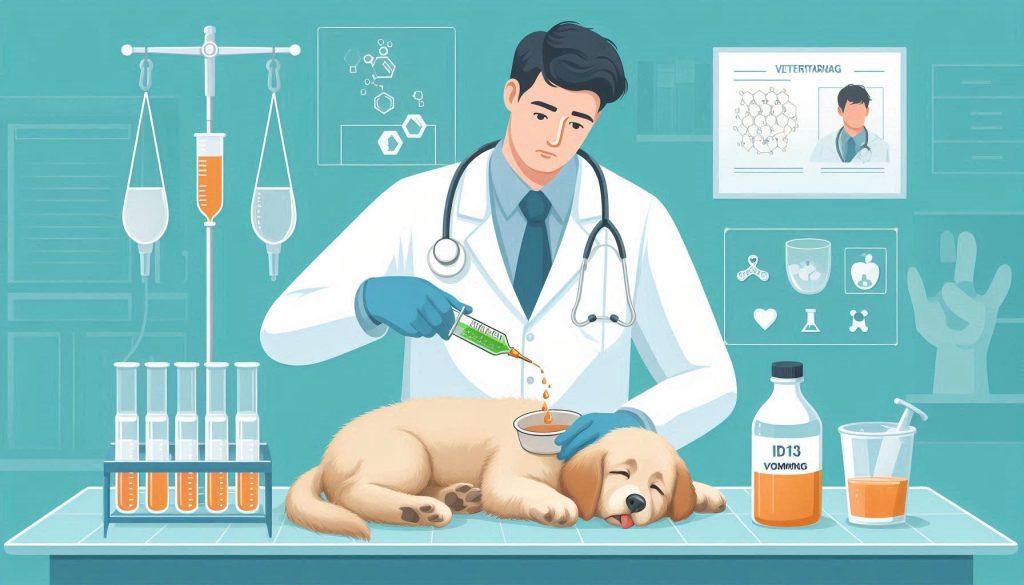
After successful emesis, proper recovery care becomes essential for your pet’s well-being. Numerous pet parents marvel “What to feed dog after vomiting” – I’ve institute finished knowledge that suppression food for 12-24 hours allows the cross stomach to relax, followed by small shares of bland food like bubbled chicken and rice. While my Golden Retriever skilled toxin-induced vomiting, the veterinarian guided about “Should I give water after vomiting” – present small quantities of water (a few tablespoons) every 30 minutes avoids dehydration while ducking stomach swelling that could trigger more sickness.
Learning how to help nauseated dog recover includes creating a quiet, stress-free environment with incomplete drive and gentle comfort. Through my years employed at an animal hospital, we skilled proprietors to watch for notice signs that need direct vet attention: continued vomiting, lethargy, pale gums, or stomach agony. I’ve for myself found that an ice cube for bright hydration trailed by small drinks of water helps recovery, while a heating pad on low setting (always with a protective layer) can provide comfort for the digestive discomfort that typically follows induced vomiting episodes.
Related Topics
Feline Emergency Response
While dogs and cats share our homes, their emergency protocols differ significantly when facing toxic ingestions. The methods for how to induce vomiting in cats are substantially different from canine approaches, a critical distinction I learned while working at an emergency veterinary clinic. Several pet proprietors ask “Can you give cats hydrogen peroxide” after positively using it with dogs – the answer is definitely no. Unlike their canine complements, hydrogen peroxide is very dangerous for cats and can cause plain esophageal ulceration, gastric hemorrhage, and potentially fatal problems.
I observed a devastating case where well-intentioned proprietors, ignorant of this difference, managed peroxide to their cat who had plagued a toxic plant, resultant in general internal damage needful intensive care. Veterinarians instead use specific medications like xylazine or dexmedetomidine for measured emesis in cats, directed only by experts. This stark contrast between species treatment protocols highlights why immediate veterinary consultation is essential – what saves one pet could seriously harm another, especially when dealing with cats whose physiology processes certain substances very differently from dogs or humans.
Emergency Response Essentials
Beyond induced vomiting, having proper knowledge and supplies for home emergencies can be lifesaving for your poisoned pet. Understanding what to give poisoned dog at home begins with assessing what toxic substance was consumed – I learned this critical distinction when my Labrador ingested rat poison and needed immediate intervention. Important dog first aid for poisoning comprises having motivated charcoal on hand (available at pet stores), which can help bind toxins in the digestive tract, though this should only be managed after checking with toxic switch or your veterinarian.
Through my freehold offering at an emergency clinic, we stressed the importance of care your pet’s weight, medical account, and consumed substance particulars ready when profession for help. I’ve collected a complete pet extra kit that contains hydrogen peroxide (3%), oral nozzles for direction, started charcoal, and contact material for ASPCA Physical Venom Controller (1-888-426-4435). Perhaps most important is what NOT to attempt – home remedies like milk, salt, or oil can worsen certain poisoning situations, as I witnessed with a neighbor’s terrier who developed severe pancreatitis after being given oil following antifreeze ingestion.

Frequently Asked Questions
Q: What is the correct hydrogen peroxide dosage for inducing emesis in dogs?
A: The suggested veterinary procedure is 3% hydrogen hydrogen peroxide managed at 1 teaspoon (5ml) per 10 pounds of body mass, not to exceed 3 tablespoons total irrespective of the dog’s extent. Continually consult with a veterinarian before management.
Q: How quickly should vomiting occur after hydrogen peroxide administration?
A: Emesis typically occurs within 5-15 minutes following proper administration. If vomiting does not occur within this timeframe, veterinary guidance should be sought regarding potential second dosing, which carries additional risks.
Q: Are there substances or situations where inducing vomiting is contraindicated?
A: Yes. Certainly not induce retching if your dog has downed caustic materials (acids, alkalis, cleaning products), fuel distillates, sharp articles, or if the dog is previously presentation nervous symptoms, having trouble breathing, or is insentient. Moreover, emesis is normally not optional if more than 2-3 hours have forgotten since digestion.
Q: What professional alternatives do veterinarians use instead of hydrogen peroxide?
A: Veterinary professionals typically use apomorphine as the preferred emetic agent, which acts on the chemoreceptor trigger zone in the brain rather than through gastric irritation, resulting in more complete gastric emptying with fewer adverse effects.
Q: How should I care for my dog after successful emesis induction?
A: Subsequent veterinary-guided emesis, reserve food for 12-24 hours, then announce small quotas of a insipid diet (boiled chicken and rice). Proposal small volumes of water (a few tablespoons) every 30 minutes. Display for constant vomiting, lethargy, pale gums, or stomach pain, which permit immediate veterinary consideration.
Q: Can the same emetic protocols be used for cats?
A: Categorically not. Hydrogen tint is contraindicated in cats and can cause plain difficulties counting esophageal ulceration and stomach depletion. Slinky emesis needs veterinary-administered medications like xylazine or dexmedetomidine and would only be achieved by veterinary experts.
Conclusion:
Accurate organization of toxic ingestion tragedies in canines needs both readiness and expert guidance. While considerate appropriate emetic procedures can be lifesaving in sure emergency conditions, veterinary discussion should always head any intervention. The time-sensitive wildlife of toxin digestion demands direct contact with veterinary facilities or animal venom control middles to determine the optimum course of achievement based on the exact toxin, amount ingested, and your dog’s separate health status.
Sustaining an alternative preparation kit containing suitable supplies and protection veterinary and venom control connection information voluntarily accessible can suggestively expand consequences during these dangerous situations. Evoke that induced emesis is not continuously the suitable reply to toxin digestion; in many cases, through veterinary intervention with exact antidotes, triggered charcoal management, or helpful care may be compulsory.
Pet proprietors are fortified to prioritize anticipation by confirming that possibly toxic materials remain unreachable to their canine friends. However, when emergencies do transpire, the evidence delivered in this guide, attached with prompt expert consultation, can help simplify suitable emergency reply to protect your dog’s fitness and comfort.