
Introduction:
Living in an apartment with your cat can be convenient and fun—until it comes to litter boxes. Small spaces and strong odors don’t go well collected. That’s why choosing the right litter box for your apartment is indispensable. In this guide, we’ll walk you concluded the best cat litter boxes for apartments, along with helpful tips to manage odor, save space, and preserve your cat happy.

Why Choosing the Right Litter Box Matters in Small Apartments
Limited space & litter tracking
During my three years of apartment living with two Maine Coons,https://cats.com/best-litter-boxes-for-a-small-apartment I quickly realized that litter tracking becomes your worst enemy when every square foot of your home matters, because those tiny granules somehow multiply and spread into every corner, crevice, and carpet fiber within hours of cleaning. The challenge intensifies dramatically in limited space environments where your living room, bedroom, and kitchen exist within steps of each other, making escaped litter particles an immediate threat to your food preparation areas and relaxation zones.
My biggest innovation came when I exposed that outdated open litter boxes were adversity magnets in limited space circumstances, as cats naturally high and scatter litter during their excavating and cover behaviors, turning my entire studio apartment into a gritty, painful mess that obligatory constant far-reaching and vacuuming.
The solution complicated investing in a high-sided litter box with textured entry mats that dramatically reduced litter tracking by catching particles before they could migrate throughout my living space, because in rooms, prevention is substantially easier than cleanup when you’re dealing with limited areas where litter can hide under furniture and appliances. Smart apartment inhabitants learn that regulatory litter tracking isn’t just about aesthetics—it’s about maintaining a livable environment where you can walk unshod, prepare food safely, and invitation guests over without discomfiture, making the correct litter box selection a critical investment in your superiority of life slightly than just a pet supply buying.
Odor control is important
The odor control is important in room living hit me like a block wall throughout my first week with my rescue cat in a 600-square-foot space, when I understood that unlike my childhood home with its expansive basement, every smell in my compressed unit had nowhere to escape and would delay for hours or even days. Living in close lodgings means that poor odor control is important doesn’t just affect the instant litter box area—it permeates your chamber where you sleep, your kitchen where you make meals, and your living room where you divert guests, fundamentally rotating your entire home into an painful environment that reproduces poorly on your hosting aptitudes and personal hygiene morals.
My game-changing jiffy came when I upgraded to a litter box system that arranged odor control is important through progressive carbon filtration and sealed building, because I exposed that traditional open boxes basically cannot contain the ammonia and bacterial odors that multiply fast in confined spaces with limited air movement. The difference was directly noticeable—instead of whoosh to light candles or open windows every time someone stayed, I could surely invite friends over significant that my apartment preserved a fresh, welcoming air that didn’t scream “cat owner” the moment they ambled through the door.
Understanding odor control is important in small spaces isn’t just about comfort; it’s about preserving your quality of life, defensive your security deposit, and safeguarding that your living space remnants a sanctuary rather than a foundation of discomfiture or health anxieties.
Keeping your cat happy & healthy
Keeping my cat happy and healthy became my top priority after viewing my tabby, Luna, develop stress-related performances during our first month in a overcrowded workplace studio apartment, where her anxiety established through unsuitable removal that nearly cost me my security credit and created a cycle of cleaning hallucinations that consumed my evenings. The connection between proper litter box assortment and keeping your cat happy & healthy runs deeper than most flat dwellers realize—when cats feel painful or stressed about their bathroom condition, they can develop urinary tract contaminations, constipation, or interactive issues that convert your small living space into a battleground of accidents and veterinary bills.
My innovation came when I realized that keeping your cat happy & healthy in limited spaces necessitates understanding that cats need constancy, cleanliness, and comfort in their removal areas, which means capitalizing in a litter box system that delivers adequate space, proper airing, and easy access without manufacture them feel surrounded or exposed.
The wrong litter box select can trigger a domino consequence where your strained cat avoids the box, leading to health difficulties that need expensive vet visits and create confusions that are nearly unbearable to fully remove from apartment carpets and furniture. Smart studio apartment cat owners learn that keeping your cat happy & healthy isn’t just about love and food—it’s about creating an situation where their natural characters are respected and supported, making the litter box choice one of the most crucial reserves in your pet’s well-being and your own amity of mind.
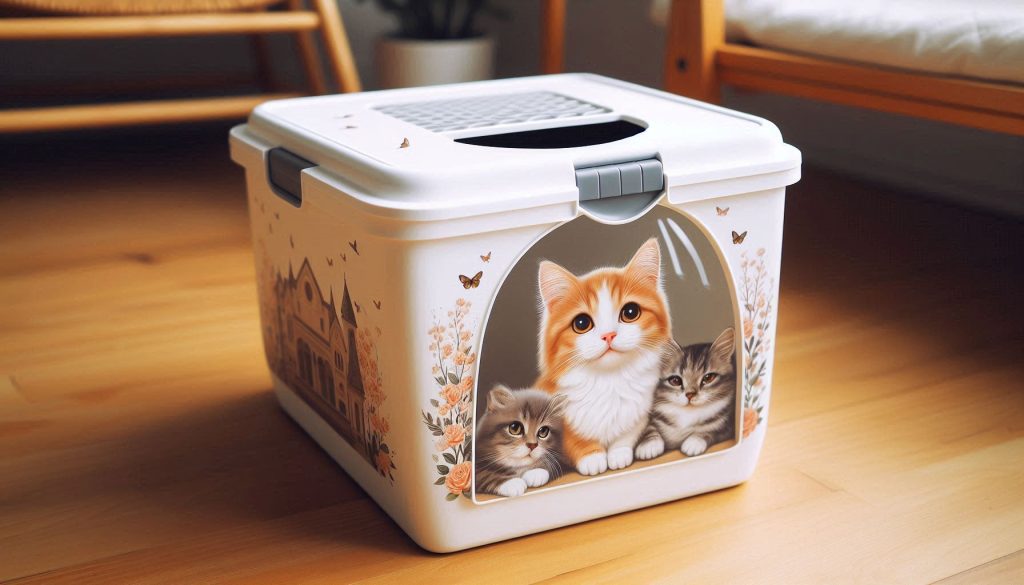
Top 5 Cat Litter Boxes for Small Spaces
Modkat Flip Litter Box – Stylish & Enclosed
The Modkat Flip Litter Box transformed my cramped studio apartment experience by combining enclosed design with genuinely stylish aesthetics that complement modern decor rather than screaming “cat furniture” to every visitor who enters my space. After difficult dozens of choices over two years, I exposed that this enclosed system solves the worldwide studio quandary of preserving functionality while conserving visual appeal, because its smooth lines and neutral colors really enhance your living space in its place of pessimistic from it like traditional plastic boxes.
The stylish building isn’t just about looks—the Modkat Flip Litter Box features a clever top-entry design that obviously reduces litter following while if cats with the confidentiality they crave in enclosed surroundings, making it faultless for studios where every square foot needs to serve various purposes. What sets this stylish answer apart is its advanced flip-top lid that makes cleaning unforced even in tight spaces, while the enclosed structure efficiently contains odors and mess without needful a separate room or hidden corner that many room dwellers simply don’t have.
The Modkat Flip Litter Box proves that studio cat owners don’t essential to choose between realism and aesthetics—its enclosed design transports superior odor control and mess repression while preserving a stylish profile that guests repeatedly fault for a modern storage ottoman or attractive piece, creation it the perfect select for small spaces where form and function must coexist flawlessly.
IRIS Top Entry Litter Box – Best for tight spaces
Finding the best for tight spaces solution led me to the IRIS Top Entry Litter Box after months of struggling with traditional side-entry boxes that dominated my 500-square-foot apartment and created constant mess around their perimeter. The genius of this IRIS Top Entry Litter Box lies in its vertical design philosophy—instead of spreading outward like conventional boxes, it maximizes upward space utilization, making it genuinely the best for tight spaces where floor area is at an absolute premium.
My eureka moment came when I realized that tight spaces don’t necessarily mean sacrificing litter box functionality; the IRIS Top Entry Litter Box actually provides more interior room for cats while occupying less precious floor real estate than bulky covered boxes I’d tried previously. The best for tight spaces feature isn’t just about dimensions—this IRIS Top Entry Litter Box virtually eliminates litter tracking because cats must climb through the perforated lid that naturally shakes excess litter from their paws before they can scatter it throughout your living area.
Living in tight spaces taught me that every piece of furniture needs to earn its place through exceptional performance, and the IRIS Top Entry Litter Box delivers by providing superior odor containment, mess control, and space efficiency in one affordable package that transforms even the most cramped bathroom or closet into a functional cat bathroom area without overwhelming your living environment.
Pet Safe Scoop Free – Self-Cleaning Luxury
The self-cleaning luxury of the Pet Safe Scoop Free developed my bed-sitter game-changer when I understood that manual raising in cramped quarters meant continually management waste in close proximity to my living and sleeping areas, generating hygiene concerns that outdated boxes only couldn’t address. This luxury system developed my daily routine by mechanically gathering waste into a covered section just minutes after my cat ended, removing the need for me to store lifting tools or deal with aromatic waste bags in my tiny kitchen waste can.
The Pet Safe Scoop Free transports true self-cleaning luxury through its advanced crystal litter technology that absorbs dampness and odors for weeks at a time, significance I can really leave for stay trips without worrying about frequent to an crushingly smelly bed-sitter.
What makes this self-cleaning luxury particularly appreciated in small spaces is the Pet Safe Scoop Free‘s aptitude to maintain consistent sanitation without requiring daily intervention, because when your litter box sits mere feet from your bed or couch, mechanization becomes vital rather than elective. The luxury aspect isn’t just about suitability—the Pet Safe Scoop Free provides studio apartment dwellers with a genuinely hands-off answer that maintains superior hygiene morals while freeing up valuable time that would then be spent on constant upkeep, making it an venture in both your excellence of life and your cat’s health in limited living situations.
Nature’s Miracle Corner Litter Box – Budget Pick
The Nature’s Miracle Corner Litter Box became my go-to budget pick recommendation after discovering that effective small-space solutions don’t always require premium price tags, especially when you’re dealing with the financial constraints that often come with apartment living. This budget pick impressed me during my first apartment years when money was tight but I still needed a functional corner litter box that could maximize my limited floor space without breaking the bank or compromising my cat’s comfort. The genius of this Nature’s Miracle Corner Litter Box lies in its triangular design that transforms wasted corner space into functional bathroom area, proving that smart budget pick options can actually be more space-efficient than expensive alternatives that dominate room centers.
What sets this budget pick separately is how the Nature’s Miracle Corner Litter Box contains built-in odor control technology despite its reasonable price point, because the brand comprehends that bed-sitter dwellers can’t detriment smell management irrespective of their financial restraints. The corner litter box design isn’t just about saving money—this Nature’s Miracle Corner Litter Box delivers adequate space for cats while correct seamlessly into bathroom corners, closet nooks, or other tight acnes that premium boxes often can’t accommodate, creation it the faultless budget pick for renters who need maximum functionality without the luxury worth tag.
Omega Paw Roll ‘n Clean – Easy to Use
The easy to use functionality of the Omega Paw Roll ‘n Clean resolved my biggest flat task when I realized that outmoded scooping in cramped accommodations meant clumsily directional around furniture and storage boxes while annoying to clean waste deprived of spilling litter across my incomplete floor space. This Omega Paw Roll ‘n Clean system transformed my cleaning routine through its advanced rolling mechanism that needs just a simple tilt and roll motion, making it unaffectedly easy to use even in the tightest bathroom curves or closet spaces where traditional scooping becomes nearly incredible.
The easy to use design isn’t just about convenience—the Omega Paw Roll ‘n Clean eliminates the need for separate scooping tools, waste bags, and storage flasks that clutter small rooms, because everything happens inside the self-contained unit through a intense internal separation system. My favorite characteristic of this easy to use answer is how the Omega Paw Roll ‘n Clean makes cleaning easy even when you’re dealing with the fatigue and time chains of apartment life, where every daily task wants to be streamlined for maximum efficiency.
The Omega Paw Roll ‘n Clean shows that easy to use doesn’t mean less actual—this system provides thorough cleaning results while demanding minimal physical determination and storage space, making it ideal for studio apartment dwellers who need simple, reliable solutions that work reliably without complicated upkeep routines or particular cleaning provisions.
What to Look For in a Litter Box for Apartments
Covered vs. uncovered design
The uncovered design versus covered debate became crystal clear during my first year of apartment living when I discovered that uncovered design boxes allowed odors to escape freely into my studio space, while covered alternatives created their own set of challenges that many apartment guides simply don’t address. My trial-and-error experience revealed that uncovered design litter boxes offer superior ventilation and easier access for cleaning, but they become practically unusable in small spaces where every smell amplifies and lingers without proper air circulation systems.
The covered option initially seemed like the obvious choice for apartments until I realized that some cats feel claustrophobic in enclosed spaces, leading to avoidance behaviors that create bigger messes than the original odor problem I was trying to solve.What changed my viewpoint was understanding that covered boxes need more recurrent cleaning and maintenance in apartment settings because surrounded moisture and condensed airflow can accelerate microbial growth and create tougher concerted odors when you lastly open them. The winning strategy involves assessing your specific apartment layout and your cat’s personality—covered designs work best for self-assured cats in well-ventilated spaces,
while uncovered design boxes might be appropriate if you have excellent air movement and can position them away from main living parts, making the excellent less about general best practices and more about matching your exclusive living situation with the right litter box smartness.
Size & shape compatibility with your space
The shape compatibility task hit me hard when I moved into my first studio apartment and exposed that the quadrilateral litter box I’d used at my parents’ house simply wouldn’t fit where in my narrow bathroom without obstructive the door or creating an obstacle course everywhere the toilet. Considerate your space necessities became crucial after I understood that studio apartment layouts often feature difficult corners, slanted walls, and tight doorways that request original shape compatibility answers rather than standard rectangular designs.
My innovation came when I measured your space sensibly and exposed that triangular corner units and oval-shaped boxes could maximize functionality while working within the exclusive constraints of studio living, because shape compatibility isn’t just about appropriate—it’s about creating a practical flow that doesn’t disrupt your daily procedures.
The size factor became equally significant when I learned that bigger isn’t always better in rooms; oversized boxes can overpower your space and make cleaning problematic, while undersized options create mess and stress that conquests the determination of having a chosen bathroom area. Smart apartment dwellers arrange shape compatibility by seeing not just floor space but also vertical authorization, door swing patterns, and cleaning access, because the flawless size means discovery that sweet spot where your cat has satisfactory room to move securely while the litter box assimilates flawlessly into your space without controlling the room or making functional fences.
Cleaning & maintenance tips
The maintenance tips I learned throughout two years of studio apartment living completely transformed my method to cleaning, rotating what used to be a feared chore into a rapid daily monotonous that prevents the irresistible accumulation that once made my small space unlivable. My most valued cleaning discovery was founding a twice-daily scooping timetable that receipts just two minutes each time, because maintenance tips from knowledgeable flat cat owners highlight that recurrent light cleaning averts the deep-set odors and microbial growth that require concentrated scrubbing sessions in restricted spaces.
The game-changing maintenance tips involve possession all cleaning supplies in a compacted caddy stored right next to the litter box, including enzyme cleaners, disposable wipes, and backup litter, because apartment living demands efficiency and convenience when dealing with unforeseen messes or routine maintenance.
What most guides don’t reference is that cleaning in rooms requires different techniques than houses—you need to focus on immediate odor nullification and surface sanitization because smells and bacteria spread rapidly in small spaces with inadequate ventilation. The most practical maintenance tips I can share involve weekly deep cleaning sessions where you completely empty and sanitize the box with pet-safe cleaners, followed by thorough drying before refilling, because consistent maintenance tips like these prevent the accumulation of stubborn odors and stains that can permanently damage your apartment and jeopardize your security deposit.
Odor control features
The odor control features became my top priority after spending my first miserable month in a studio apartment where traditional litter boxes turned my entire living space into an uncomfortable environment that embarrassed me whenever guests visited. My research into features revealed that apartment dwellers need multi-layered odor control systems that go beyond basic covered designs, including carbon filtration, antimicrobial surfaces, and specialized ventilation systems that actively neutralize smells rather than just containing them.
The most effective odor control features I discovered include replaceable carbon filters that trap ammonia molecules before they can escape into your living area, sealed gaskets that prevent odor leakage around lid edges, and specialized features like built-in air circulation fans that keep fresh air moving through the litter area.
What surprised me was learning that the best odor control solutions combine multiple features working together—antimicrobial coatings that prevent bacterial growth, moisture-absorbing materials that reduce humidity-related smells, and advanced odor control technologies like UV sanitizing lights that eliminate odor-causing bacteria at the source. Smart apartment cat owners invest in features that provide active odor control rather than passive containment, because in small spaces where your bedroom, kitchen, and living room exist within feet of each other, you need odor control features that completely eliminate smells rather than just masking them with artificial fragrances that can become overwhelming in confined areas.
Where to Place a Litter Box in an Apartment
Bathroom
The bathroom emerged as my go-to placement solution after testing various apartment locations and discovering that this space naturally provides the ventilation, privacy, and easy cleanup access that makes litter box maintenance effortless rather than overwhelming. My bathroom assignment strategy worked dazzlingly because this room previously features tile terrazzo that handles litter following without enduring damage, exhaust fans that help switch odors, and water admission that makes deep scrubbing sessions quick and suitable.
The bathroom location offers cats the quiet, private environment they impulsively prefer while possession the litter box away from food preparation areas and sleeping spaces, creating natural limits that protect your health and relief in small living accommodations. What made my bathroom setup chiefly successful was putting the litter box in the corner conflicting the toilet, where it breaks out of the way during daily procedures but remains easily available for both cats and housework, because bathroom placement needs strategic thinking about traffic flow and functionality.
The bathroom proves ideal for apartment living because it’s classically the most contained space in your home, meaning any infrequent odors or dispersed litter stay limited to an area that’s designed for easy cleaning and previously equipped with the airing systems needed to preserve fresh air flow throughout your alive space.
Closet area
The closet area became my underground weapon for apartment litter box assignment after determining that this often-overlooked area delivers the perfect mixture of privacy, repression, and convenience that cats crave while keeping unattractive litter boxes entirely hidden from companies and daily living places. My closet area setup malformed a confined coat closet into a practical cat bathroom by removing the door and fitting a tension rod with a drape, creating easy access for cleaning while upholding the enclosed feeling that brands cats feel secure throughout their most exposed moments.
The genius of closet area placement lies in how this area naturally contains odors and litter tracking within defined boundaries, because closet spaces typically feature solid walls on three sides that prevent scatter and mess from spreading throughout your apartment. What made my closet area answer chiefly effective was adding a small battery-powered exhaust fan and LED strip illumination that distorted the dark closet into a well-ventilated, visible space that cats really prefer over exposed positions in high-traffic ranges.
The closet area shows ideal for apartment residents who need maximum functionality without forgoing aesthetics, because this area keeps litter boxes completely out of vision while providing cats with the silent, private closet environment they impulsively seek for removal, creation it a win-win solution that enhances both human luxury and feline pleasure.
Balcony corner (with safety)
The balcony corner seemed like the perfect solution for my studio apartment until I learned that outdoor litter box placement demands extensive safety precautions that many apartment dwellers don’t consider before making this potentially dangerous decision. My original balcony corner trial failed miserably when I exposed that wind dispersed litter across adjacent balconies, rain created muddy messes that tracked through my apartment, and infection excesses made the space tight for my cat throughout winter months. The safety anxieties with balcony corner assignment extend beyond weather issues—cats can become disconcerted by outdoor noises, birds, or other animals and possibly injure themselves trying to leakage, while unsecured litter boxes can disappointment over barriers and create hazards for people below.
What altered my standpoint was understanding that balcony corner setups need weatherproof enclosures, secure attaching systems, and continuous monitoring to ensure safety, creation this option far more complex and expensive than indoor replacements that provide better defense. The safety risks of balcony corner assignment simply outweigh the assistances for most apartment circumstances, because outdoor experience creates erratic variables that can stress cats, damage stuff, and create liability issues with nationals or building organization, making indoor corner sites a much safer and more practical choice for responsible pet proprietors.

Tips to Keep Litter Box Smell-Free in Apartments
Use of baking soda or litter deodorizer
The litter deodorizer became my apartment lifeguard after determining that outdated clumping litter alone couldn’t handle the concerted odors that build up rapidly in small spaces where every smell seems augmented and lingers for hours. My innovation came when I started scattering baking soda directly into the litter box before calculation fresh litter, because this accepted deodorizer counteracts acidic odors at the foundation rather than just disguising them with artificial perfumes that can become irresistible in limited areas. The baking soda technique works brilliantly in apartments because it’s totally safe for cats, costs nearly nothing, and provides continuous odor absorption that profitable litter deodorizer products often can’t match for long-term efficiency.
What distorted my approach was learning to layer baking soda at the bottom of the box, mix it through the litter, and even dust a light covering on top, creating multiple barriers against odor diffusion that keep my studio bed-sitter smelling fresh even throughout hot summer months when smells intensify. The combination of baking soda and quality litter deodorizer creates a influential dual-action system that bed-sitter cat proprietors need, because single solutions rarely provide adequate odor control in spaces where your bedroom, kitchen, and living room am within feet of your cat’s bathroom area, creation this layered method essential for maintaining a contented living environment.
Daily cleaning schedule
The daily cleaning schedule distorted my overcrowded studio from a smelly tragedy zone into a contented living space after I comprehended that apartment living stresses dependable cleaning routines rather than the sporadic upkeep that worked fine in my childhood home with many floors and rooms. My schedule advance came when I recognized two specific daily raising times—once in the morning before work and once in the evening after dinner—because daily reliability avoids the odor buildup that can overwhelm small chairs within hours of disregard.
The cleaning routine isn’t just about eradicating waste; my daily schedule comprises wiping down the litter box edges, inspection for tracking around the base, and addition fresh litter as needed, because apartment cleaning requires courtesy to details that don’t substance as much in larger living seats.
What made my daily routine maintainable was possession all cleaning supplies in a dense caddy next to the litter box, so each schedule upkeep sitting takes less than three minutes and doesn’t need gathering tools from different locations through my apartment. The daily cleaning schedule proves essential for apartment cat owners because small spaces amplify every odor and mess, creation consistent daily upkeep the difference between a fresh, relaxed home and an uncomfortable living situation that disturbs your superiority of life and relations with neighbors who share walls and aeration schemes.
Using air purifiers or scented filters
The scented filters became my game-changer when I exposed that traditional cleaning procedures couldn’t handle the determined odors that appeared to cling to every surface in my 600-square-foot apartment, even after thorough litter box upkeep. My speculation in air purifiers distorted my living space by continuously socializing and sifting the air, because these devices actively eliminate odor particles rather than just covering smells like rushes or air fresheners that can become devastating in small spaces.
The scented filters work radiantly when combined with air purifiers, creating a dual-action classification where the germicide eradicates odor particles while the filters add a subtle, pleasant perfume that doesn’t compete with scrubbing product smells or become too intense for delicate noses. What amazed me was knowledge that air purifiers with HEPAfilters also reduce airborne bacteria and allergens that contribute to determined litter box odors, making them vital for apartment dwellers who need complete air quality management in limited spaces.
The key to success with scented filters and air purifiers lies in tactical placement—positioning the sterilizer near the litter box area while guaranteeing proper air movement throughout your apartment, because these strategies need adequate airflow to effectively process and clean the air in your living space, creation them valuable reserves that improve both odor control and complete air quality for apartment cat landlords.
Tips to Save the Litter Box Smell-Free
- Use boiling soda or litter deodorizer often
- Story the box at least twice a day
- Deep clean daily with pet-safe sanitizer
- Use an air cleanser near the confusion area
FAQs :
Q1: What kind of litter box is greatest for apartments?
Top-entry or shielded boxes are best to maximize odor and save interplanetary.
Q2: How do I condense litter box scent in a flat?
Use odor-absorbing litter, revelation daily, and save good airflow in the room.
Q3: Can I residence a litter box in a slight bathroom?
Yes, as long as it’s publicized and available to your cat.
Conclusion:
The best litter box for your apartment be contingent on your space, budget, and your cat’s behavior. If you want low-maintenance, go for Pet Safe Scoop Free. On a tight budget? Nature’s Wonder is a great fit. For a contemporary look with durable odor control, Modkat is the winner. Whatsoever you choose, upholding cleanliness and daily scooping will ensure your studio apartment stays fresh and your cat stays pleased.