
SEO-Friendly Blog Intro:
Grooming your dog at home doesn’t objective save them looking neat—it’s critical for their health, relief, and happiness. With the correct tools and modest techniques, you can save money on expert facilities while attachment with your hairy friend. In this director, we’ll walk you complete step-by-step dog grooming tips, from brushing and bathing to nail adornment and ear care, so you can positively learn how to groom a dog at home like a pro.
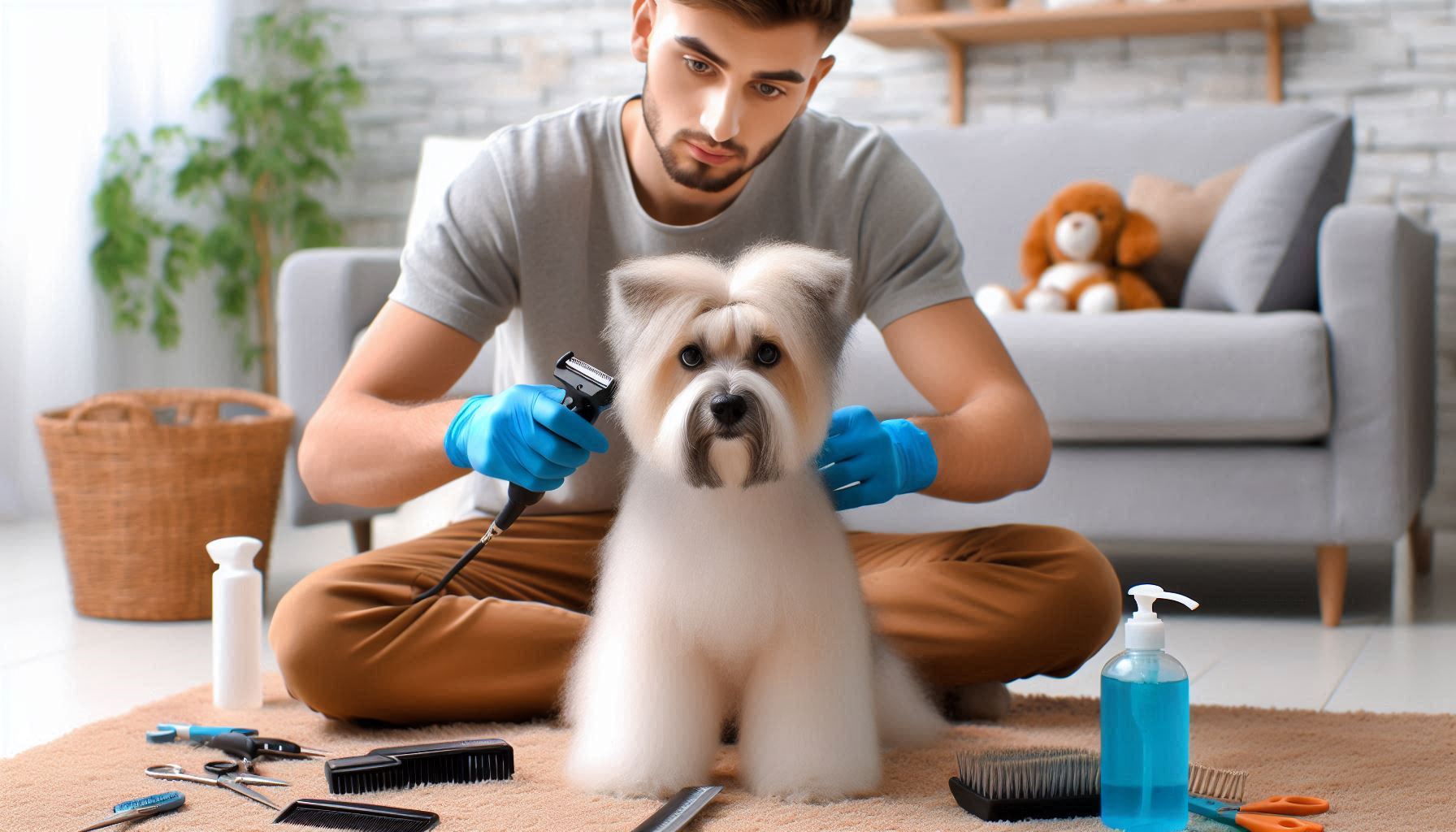
How to Groom a Dog at Home (Complete Guide)
Must-Have Grooming Equipment for Home Care
When I started my journey with dog grooming for beginners,https://www.purina.co.uk/articles/dogs/health/daily-care/dog-grooming I discovered that having the right equipment saves both time and stress for you and your pet. The best tools for dog grooming at home include a quality brush that matches your dog’s coat type – I prefer slicker brushes for most breeds since they grab loose fur effectively during brushing a dog properly sessions. Your clippers should be whisper-quiet because loud motors can frighten nervous dogs, and I learned this lesson when my golden retriever bolted mid-groom years ago.
A sharp nail trimmer specifically designed for canines prevents painful splitting – never use human clippers as they crush rather than cut cleanly, which is crucial when learning how to trim dog’s nails safely. Quality dog shampoo formulated for your pet’s skin pH keeps their coat healthy during how to bathe a dog at home routines, unlike human products that strip natural oils. Finally, having dedicated towels for grooming prevents wet dog smell from invading your good linens and makes the drying process smoother.
These DIY dog grooming tips help you avoid common dog grooming mistakes to avoid like rushing through the process or using inappropriate tools. Once you master how to groom a dog without a groomer using this dog grooming at home step by step approach, you’ll naturally understand how often should you groom a dog based on their individual coat needs and lifestyle.
Getting Your Dog Ready for a Stress-Free Grooming Session
Creating a calm environment is the foundation of successful dog grooming at home step by step sessions, and I’ve learned through years of experience that your pet picks up on your energy immediately. Start by choosing a quiet room away from household distractions, dim harsh lighting, and keep high-value treats within arm’s reach – I always use small pieces of chicken or cheese that my dogs go crazy for. Your dog’s comfort should be your top priority, so lay down non-slip mats and let them explore the grooming area before you begin, which is one of the most overlooked DIY dog grooming tips I share with fellow pet owners.
When learning how to groom a dog without a groomer, remember that patience trumps speed every time – rushing leads to dog grooming mistakes to avoid like accidentally nicking skin or creating negative associations. The best tools for dog grooming at home cruel nothing if your hairy friend is anxious, so spend extra time on this preparation phase during your first few dog grooming for beginners efforts.
Whether you’re arrangement to master how to bathe a dog at home, repetition brushing a dog properly, or learn how to trim dog’s nails safely, a comfortable dog makes each task substantially easier. Considerate how often should you groom a dog converts clearer when you found these positive procedures early, as regular experience to your ready grooming space shapes assurance over time.
Step-by-Step Dog Grooming at Home
Mastering the Art of Brushing Your Dog’s Coat
Brushing your dog’s coat needs considerate that different brushes for short-haired vs long-haired breeds can type or break your preparing session, and I exposed this the hard way when I used a pin brush on my short-haired beagle and scarcely detached any loose fur. For short-haired types like boxers and bulldogs, elastic curry brushes or bristle brushes work brilliantly because they grab dead hair close to the covering without exasperating complex areas, while long-haired strains such as golden retrievers and collies need raincoat brushes or basecoat rakes that infiltrate through multiple coat layers to avoid painful matting.
Start scrubbing from the neck and work thoroughly toward the tail, always brushing in the route of hair growth – never in contradiction of it – and pay special consideration to difficult areas like overdue the ears, under the legs, and about the collar where jumbles love to hide. I’ve erudite that daily brushing for long-haired dogs avoids those persistent mats that can pull on their skin, while short-haired types assistance from weekly meetings that dispense natural oils and eliminate loose fur before it ends up all over your equipment.
The key is using moderate, reliable strokes rather than destructive rubbing motions, and if you meeting a mat, work it out gradually with your fingers or a dematting comb rather than pulling it with the brush, which can reason pain and brand your dog assistant brushing with distress.
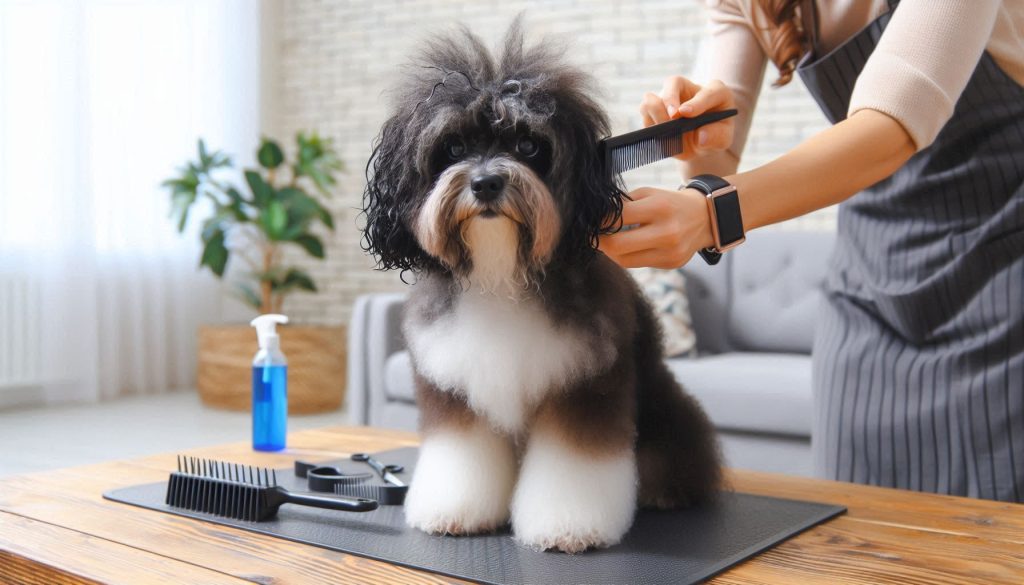
The Complete Guide to Bathing Your Dog Safely
Bathing your dog converts less stressful when you appreciate that how often depends totally on your pet’s existence and coat type – my outdoor-loving German shepherd requirements weekly baths though my indoor poodle only needs monthly washing. Selecting the right shampoo types all the alteration between healthy skin and annoyed, flaky circumstances, so always opt for pH-balanced formulas considered exactly for dogs rather than human yields that can band their natural defensive oils. Start by brushing out any mats previously receiving your dog wet, then use tepid water to thoroughly soak their coat from neck to tail, ducking the face and ears originally.
Work the shampoo into a rich agitation using gentle round motions, paying distinct attention to dirty parts like paws and underbelly, then rinse totally – leftover soap deposit reasons longing and hot spots that I’ve seen too several times in my grooming knowledge. The drying tips I swear by include using absorbent towels first to remove excess water, then either air-drying in a warm room or using a blow dryer on the coolest setting while brushing simultaneously to prevent matting. Never let your dog outside while damp because they’ll immediately roll in dirt, and for thick-coated breeds, ensure the undercoat is completely dry to prevent skin issues that develop in trapped moisture.
Safe and Effective Nail Trimming Techniques
Nail trimming requires mastering safe trimming techniques that I’ve perfected through years of working with anxious dogs who turn into drama queens at the sight of clippers. The key to safe trimming lies in identifying the pink quick inside each nail – cutting into this vascular area causes bleeding and pain that will make future sessions nearly impossible, so always trim just the white or clear tip in small increments rather than attempting one dramatic cut.
What to avoid contains using dull secateurs that crush somewhat than slice efficiently, whistle through the procedure when your dog is strained, and trimming too much length at once which escalations the danger of hitting the rapid. Start by moderately holding your dog’s paw and insistent marginally on the pad to spread the nail, then situation your secateurs at a 45-degree approach about 2-3 millimeters from the rapid, making rapid, assertive cuts that slice complete efficiently. I always keep styptic powder nearby because even experienced groomers occasionally nick the quick, and what to avoid is panicking if bleeding occurs – simply apply pressure with the powder and offer treats to keep your dog calm.
For dogs with dark nails where the quick isn’t visible, trim even smaller amounts and watch for a dark circle in the center of the cut surface, which indicates you’re approaching the quick and should stop immediately.
Grooming by Dog Breed & Coat Type
Grooming Essentials for Short-Haired Dogs
Short-haired dogs like beagles, boxers, and pit bulls might seem low-maintenance, but they actually require specific techniques that differ dramatically from their fluffy counterparts, and I learned this when my rescue boxer shed more than my golden retriever despite having a fraction of the coat length. The best tools for dog grooming at home for these breeds include rubber curry brushes and bristle brushes that grab loose undercoat effectively, plus high-quality deshedding tools that reach down to remove the fine hairs that constantly float around your house.
Brushing a dog properly with short hair means using firm, circular motions with a rubber brush to stimulate the skin and pull out dead fur, followed by a bristle brush to distribute natural oils and add shine – this dog grooming at home step by step approach prevents the endless fur tumbleweeds that accumulate in corners. One of the biggest dog grooming mistakes to avoid is thinking short-haired breeds need less frequent grooming; they actually benefit from weekly brushing sessions and monthly baths using gentle shampoos when learning how to bathe a dog at home.
These DIY dog grooming tips develop vital for dog grooming for beginners who want to master how to groom a dog without a groomer, particularly when mutual with regular how to trim dog’s nails safely conferences. Considerate how often should you groom a dog with short hair means focusing on reliable brushing slightly than decorative styling, creation maintenance wieldy for demanding pet parents.
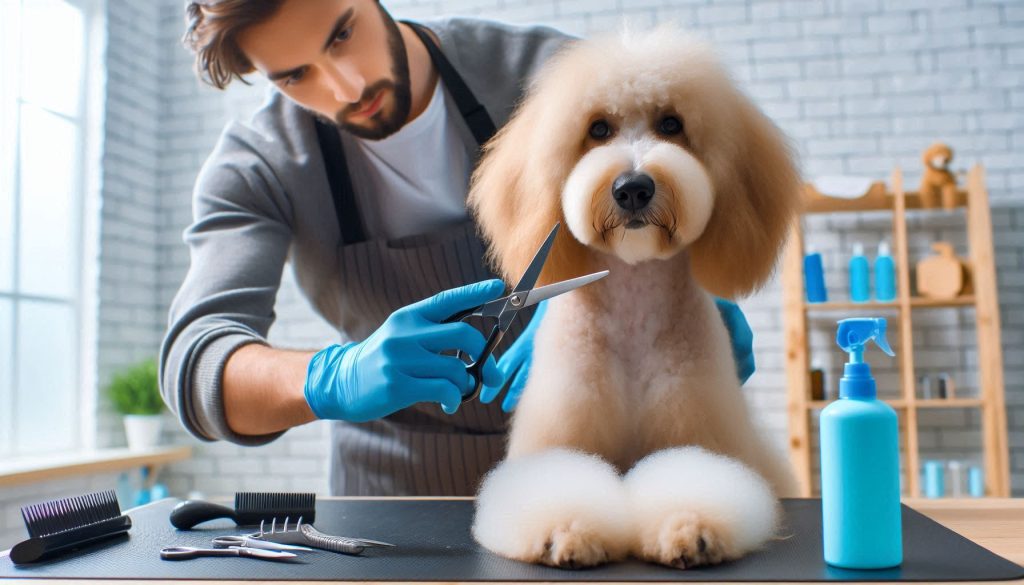
Managing Long-Haired Dogs with Professional Results
Long-haired dogs like golden retrievers, Afghan hounds, and shih tzus demand dedication and the right approach, which I discovered when my collie’s beautiful coat turned into a matted nightmare during my early dog grooming for beginners days. The best tools for dog grooming at home for these gorgeous breeds include slicker brushes, pin brushes, and undercoat rakes that penetrate multiple coat layers, plus detangling sprays that make brushing a dog properly infinitely easier when working through problem areas.
Dog grooming at home step by step for long-haired breeds requires daily brushing sessions to prevent mats from forming, especially behind ears, under legs, and around the collar where friction occurs most frequently – one of the critical dog grooming mistakes to avoid is letting small tangles develop into painful mats that require cutting out. Learning how to groom a dog without a groomer means mastering the art of sectioning coat layers and working systematically from skin outward, using DIY dog grooming tips like brushing before every bath since wet mats tighten and become impossible to remove.
When preparation how to bathe a dog at home with long hair, continually brush methodically first and use plenty of conditioner to save the coat practicable, then blow-dry although brushing to avoid matting through the drying progression. Sympathetic how often should you groom a dog with smooth locks means daily brushing, weekly baths, and monthly how to trim dog’s nails safely meetings to preserve their stunning arrival.
Tackling Double-Coated Breeds Like Huskies and German Shepherds
Double-coated breeds like Huskies and German Shepherds present unique challenges that I learned to appreciate when my neighbor’s malamute left enough fur in my yard to knit a sweater, and understanding their two-layer coat system is essential for successful dog grooming at home step by step sessions. The best tools for dog grooming at home for these magnificent breeds include undercoat rakes, slicker brushes, and deshedding tools that penetrate through the coarse outer guard hairs to reach the soft, dense undercoat underneath – regular brushes simply skim the surface and miss the real shedding culprit.
Brushing a dog properly with double coats means working in sections and brushing against the grain first to lift the undercoat, then smoothing it back down with the grain, a technique that prevents the massive fur explosions during shedding seasons.
One of the biggest dog grooming mistakes to avoid is shaving these breeds thinking it keeps them cooler, when actually their double coat regulates temperature naturally and shaving can cause permanent coat damage and overheating. These DIY dog grooming tips become crucial when learning how to groom a dog without a groomer, especially during spring and fall when they “blow” their coats and require daily brushing sessions.
Dog grooming for beginners working with double-coated breeds should focus on how to bathe a dog at home only when necessary since over-bathing strips protective oils, and remember that understanding how often should you groom a dog with this coat type means frequent brushing but infrequent baths, plus regular how to trim dog’s nails safely sessions.
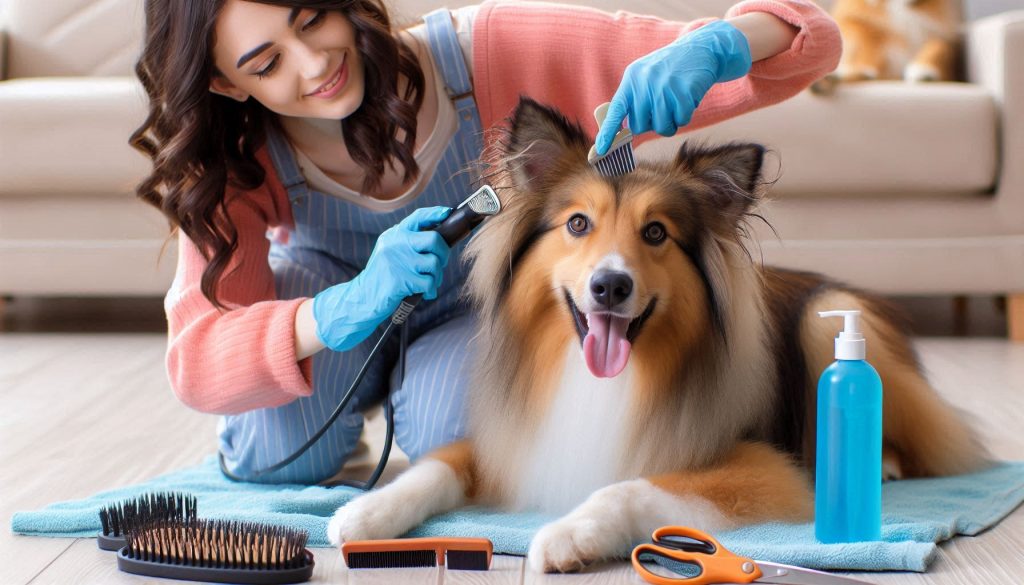
Knowing When You Can Groom at Home vs When You Should Go to a Professional Groomer
When you can groom at home includes routine maintenance tasks like regular brushing, basic baths, nail trims, and ear cleaning, which I successfully mastered using DIY dog grooming tips after years of practice with my three rescues of varying coat types. Dog grooming at home step by step works perfectly for brushing a dog properly, learning how to bathe a dog at home with gentle shampoos, and how to trim dog’s nails safely using proper clippers – these skills form the foundation of dog grooming for beginners who want to understand how to groom a dog without a groomer for basic upkeep.
The best tools for dog grooming at home handle most routine care, and understanding how often should you groom a dog helps you maintain their coat between professional visits, but when you should go to a professional groomer becomes crucial for complex cuts, severe matting, behavioral issues, or breed-specific styling that requires specialized training. Expert groomers excel at circumstances where dog grooming mistakes to avoid develop costly – like endeavoring complex poodle clips, dealing with strictly matted coats that need careful removal, or handling aggressive dogs who need experienced hands and proper limitation techniques.
I knowledgeable this lesson when my effort to trim my cocker spaniel’s ear quills resulted in an uneven tragedy that took months to produce out, showing that while home grooming protections daily maintenance attractively, some responsibilities need professional knowledge to circumvent permanent injury or safety dangers.
FAQs About Grooming Your Dog at Home:
Q1: How frequently must I mentor my dog at home?
Most short-haired dogs necessity clearing once a week, however long-haired or double-coated strains may need day-to-day preparing. Bathing is regularly wanted every 4–6 weeks, contingent on your dog’s existence.
Q2: Can I use human shampoo to wash my dog?
No. Human shampoos can distressed your dog’s skin pH and reason frustration. Permanently use a pH-balanced dog shampoo.
Q3: What are the greatest tackles for dog training at home?
Indispensable tools contain a slicker or hair brush (based on coat type), dog nail clippers, ear-cleaning clarification, dog shampoo, and permeable towels.
Q4: How do I carefully slim my dog’s nails at home?
Use sharp, pet-safe clippers. Trim small sections at a 45-degree angle, avoiding the “quick” (pink area inside the nail). Keep styptic powder nearby in case of accidental bleeding.
Q5: When would I revenue my dog to a expert groomer?
If your dog has simple matting, breed-specific cuts, or interactive issues through grooming, it’s safer to visit a expert groomer.
Conclusion:
Preparing your dog at home is additional than just a way to except money—it’s a coincidental to bond with your hairy friend while care them clean, healthy, and comfortable. With the exact tools, endurance, and step-by-step care, you can main the basics of brushing, washing, nail embellishment, and ear cleaning disadvantaged of strain. Start small, stay consistent, and quickly you’ll detection that grooming at home is not only manageable but nutritious for both you and your dog.