Introduction: Dog Not Eating
When your dog suddenly refuses food, it creates instant worry because you’re left wondering why my dog is not eating and what might be going wrong inside their body. Many dogs stop eating due to simple issues like stress, routine changes, or mild dog appetite loss, while others avoid food because of deeper problems such as underlying illness in dogs or discomfort from dog stomach upset.
Sometimes the cause is emotional, and sometimes it’s physical, but both can quickly affect energy and mood. When you understand these patterns sooner, you can act faster and prevent the situation from turning into serious dog digestive issues that require urgent care.
Common Reasons Your Dog May Stop Eating
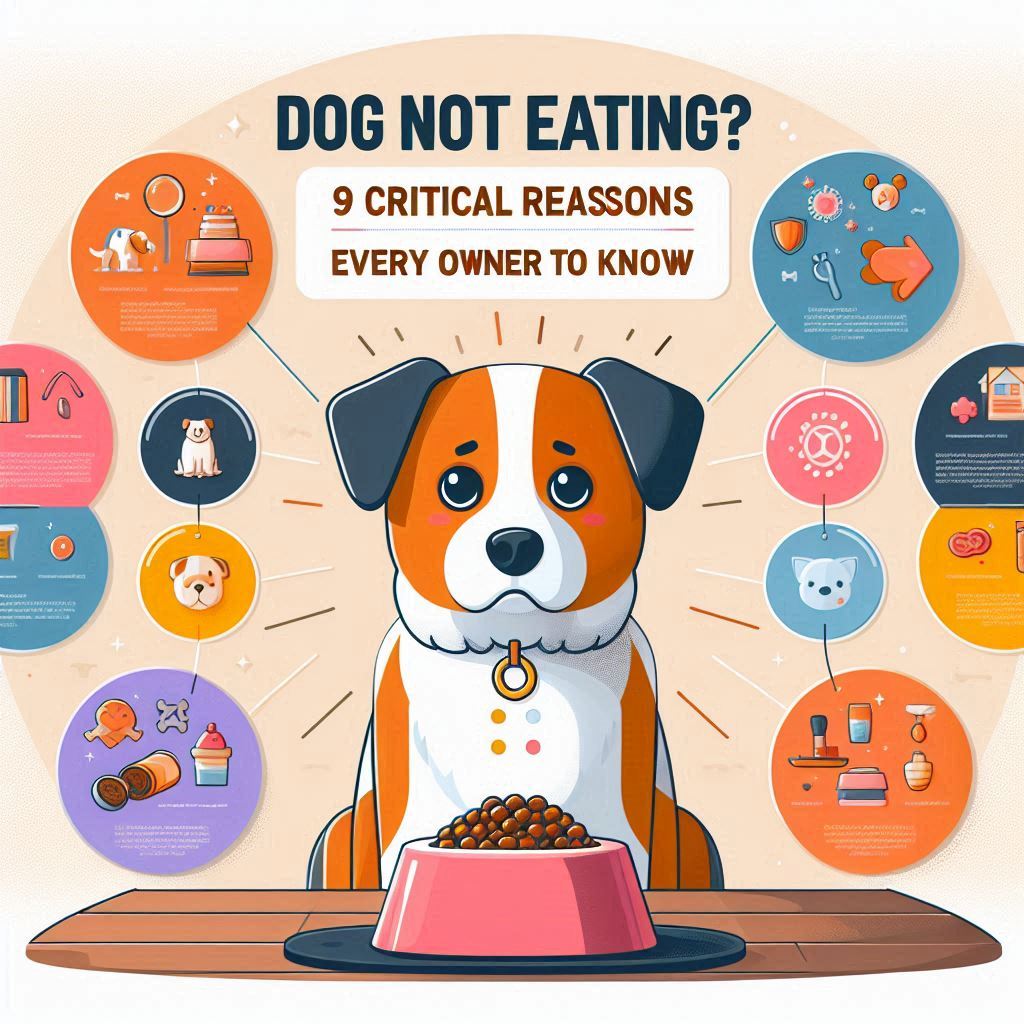
Many pet owners try to guess why dogs stop eating, yet the real causehttps://www.petmd.com/dog/symptoms/why-my-dog-not-eating can hide under layers of behavior or discomfort. Some dogs lose interest in food because their meals contain spoiled dog food, or they’ve developed dog food intolerance that slowly triggers discomfort. Others stop eating when dealing with pain in dogs, especially if there’s a dental issue such as dental disease in dogs, broken or loose teeth, or persistent bad breath in dogs that signals infection. These issues make chewing unpleasant, so the dog naturally avoids food.
Other dogs refuse meals during stressful life events. Emotional triggers like stress in dogs, dog depression, behavior problems in dogs, food aggression, moving stress in dogs, schedule change in dogs, or the loss of companion often show up first through appetite changes. Even simple environmental shifts, such as a new smell in the home or a noisy space, can start a cycle of avoidance that turns a previously hungry dog into a dog picky eater.
Is My Dog Sick? Symptoms to Look For
When wondering why is my dog not eating, the first thing to examine is physical symptoms that point toward illness. Dogs often show additional cues like vomiting in dogs, diarrhea in dogs, low energy in dogs, or steady weight loss in dogs, which can signal more serious dog digestive issues or internal infections. Sometimes the signs appear slowly, like subtle changes in mood or posture, and owners overlook them until appetite drops sharply.
A dog refusing food can also be experiencing pain-related appetite change from problems you can’t see, such as joint inflammation, internal discomfort, or advanced dental infections. These symptoms combine into clear dog not eating symptoms that shouldn’t be ignored. If the appetite loss lasts longer than expected or if symptoms worsen, it’s often time for a vet visit for appetite loss so the issue doesn’t escalate unexpectedly.
Why Puppies Stop Eating (Puppy-Specific Causes)
Puppies often stop eating for reasons completely different from adult dogs, yet it still worries owners who ask why is my dog not eating even when the pup seems active. Tiny bodies change fast, so growth spurts, teething, or early digestive sensitivity can create temporary loss of appetite in dogs that usually resolves. But when a puppy’s discomfort turns into a refusal to eat, it may also be dealing with dog stomach upset or emotional stress that needs attention.
Sometimes a puppy might develop dog food intolerance after trying a new diet or treat. In other cases, mild infections or early-stage illnesses interrupt their normal hunger signals. If a puppy refuses food for too long, dehydration and weakness can follow quickly, which makes early intervention essential to prevent serious complications.
When Your Dog Won’t Drink Water (Causes & Solutions)
When a dog stops drinking water, the worry doubles because a dog not eating but drinking situation is still safer than a complete refusal of both. Dehydration can creep in quietly while the dog deals with dog stomach upset, anxiety, or fatigue linked to stress-related appetite loss. Sometimes the issue might be environmental—warm weather, stale water, or a bowl placed too close to distractions.
Other times the problem is medical and tied to infections, kidney issues, or discomfort in the mouth caused by dog dental problems. If your dog won’t drink, simple adjustments can help. Changing the water source, moving the bowl, or using broth for dog food mixed with water can encourage hydration before the issue becomes dangerous.
How to Encourage Your Dog to Eat Again
Encouraging a dog to eat again often means making meals more appealing without drastically changing the routine. Dogs may respond well when food becomes warmer, so owners try warming dog food slightly to enhance the aroma. Some dogs begin eating again when you try hand-feeding dogs, especially when they feel unsafe, anxious, or emotionally disconnected after changes at home.
Sometimes appetite returns quickly when the food becomes easier to digest. Using mild, comforting flavors or adding safe toppers can shift a dog’s mood toward food, reducing the impact of dog nutrition concerns. A calm, quiet feeding area also prevents distraction and restores routine, which is important when dealing with dog eating behavior change and sensitive stomachs.
What to Do If Your Dog Hasn’t Eaten for 24–48 Hours
A dog that hasn’t eaten for a full day or two needs careful evaluation, especially when combined with dog illness signs or digestive problems. The first step is checking for visible discomfort that might explain the dog refusing food, such as dental swelling, stomach tension, or dehydration. In some cases, the dog might eat a small amount if you try gentle methods like encouraging dogs to eat using fresh aroma or small warm portions.
If nothing improves within this period, the situation may require professional care because ongoing appetite loss affects energy levels and organ function. Many veterinarians advise bringing notes about symptoms so they can determine the best dog appetite treatment or medications. Early intervention prevents complications and helps discover whether the issue stems from an infection, blockage, pain, or emotional cause.
When to Call Your Veterinarian
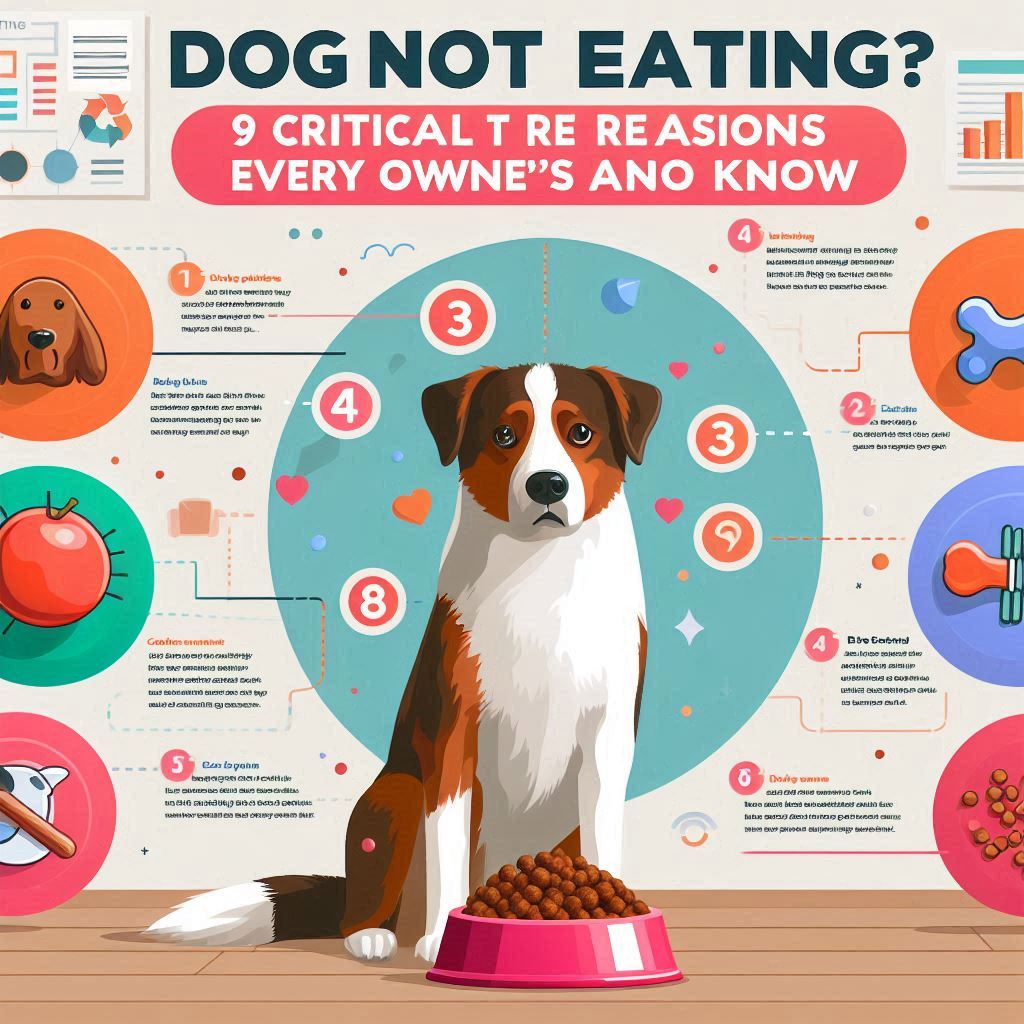
Knowing when to see a vet can protect your dog before a small problem becomes severe. Persistent appetite loss, weakness, trembling, ongoing vomiting, or heavy diarrhea is a clear sign of internal issues that need medical attention. When a dog refuses food and shows visible discomfort, the cause may involve organ complications or digestive disorders that worsen fast without proper treatment.
A veterinarian may run tests like blood work, X-rays, or ultrasounds to confirm if the problem relates to dog digestive issues, infections, dental trouble, or toxic exposure. These evaluations help determine whether your dog needs medication, an appetite stimulant for dogs, or supportive care that restores hydration and energy. Acting early offers the strongest chance for fast recovery.
Prevention Tips to Avoid Appetite Loss
Preventing appetite loss means maintaining strong daily habits that protect digestion, mood, and overall health. Fresh water, clean bowls, and consistent feeding times reduce stress linked to dog food bowl issues. Regular dental checks catch problems early so dental disease in dogs doesn’t turn into painful infections that interrupt eating patterns.
Stable routines also help because emotional triggers like dog emotional stress, sudden changes, or loneliness may cause stress-related appetite loss. A balanced diet and careful monitoring ensure your dog doesn’t encounter toxic foods for dogs or irritants that spark dog digestive issues. Consistency, gentle care, and observant habits keep most dogs steady and confident during mealtime.
FAQ:
What can I do about my dog not eating?
Try warming the food, hand-feeding, or adding low-sodium broth. If appetite doesn’t return within two days, contact your veterinarian.
How long is it okay for a dog to not eat?
Most healthy adult dogs shouldn’t go longer than 24–48 hours without eating. Puppies need medical attention sooner.
When to worry about a dog not eating?
Worry if appetite loss lasts over 24 hours or comes with vomiting, diarrhea, weakness, or behavior changes.
What is the most common cause of loss of appetite in dogs?
Stress, sudden diet changes, and mild stomach upset are the most common causes.
How long does it take for a dog to pass away from not eating?
It depends on age and health, but dogs can become seriously ill within a few days without food and water, making immediate vet care critical.
Conclusion:
When a dog stops eating, it’s never something to ignore, even if the change seems small at first. Appetite loss often signals stress, pain, or an underlying health issue that needs attention. By noticing early warning signs, adjusting feeding habits, and responding quickly, you can protect your dog from serious complications. Simple steps like improving food quality, reducing stress, and keeping routines steady often make a big difference. Still, if your dog refuses food for more than a day or shows other symptoms, a veterinary visit is the safest choice. Acting early gives your dog the best chance to recover and return to healthy eating habits.