
Introduction:
Consistent ear cleaning is an important part of your dog’s healthcare repetitive, preventing infections and detecting initial signs of ear difficulties. This inclusive guide offers everything you need to recognize about preserving your canine companion’s ear fitness, from selecting between marketable and homemade washing solutions to knowledge proper performances for changed breed types.
Whether you’re a first-time pet paternal or an knowledgeable mongrel owner, our step-by-step guidelines and expert tips will help you keep your downy friend’s ears clean, healthy, and contented. Determine how simple anticipatory care can save you expensive veterinary visits while guaranteeing your dog’s ears continue in optimal situation.
Dog Ear Cleaning Solutions
Ready-Made Options for Your Pup
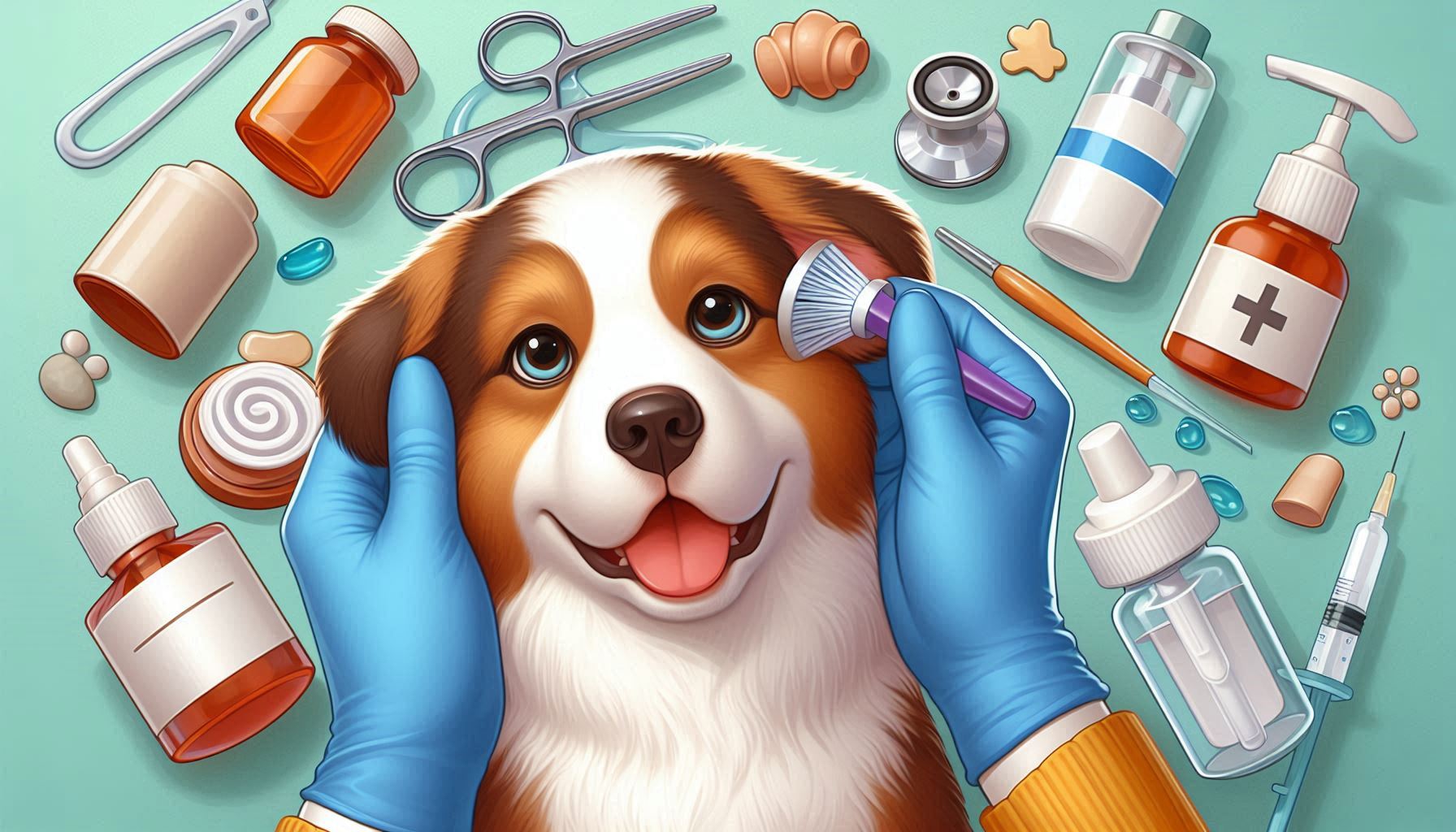
When my retriever developed her first ear infection, I discovered the importance of regular cleaning. Veto quinol ear cleansing solution for dogs saved us from another vet visit – it’s alcohol-free and gentle enough for weekly use even on sensitive ears. While commercial products offer convenience, many pet owners (myself included!) prefer the best dog ear cleaning solution homemade alternatives. I’ve found a simple mix of equal parts vinegar and warm water works wonders for routine maintenance, though never use this if your dog has open wounds or severe inflammation. Commercial options provide peace of mind with veterinary formulations, while homemade solutions let you control exactly what touches your furry friend’s sensitive ears.https://allaboutpaw.com/pets-care/safe-methods-to-induce-vomiting-in-dogs/
Natural Solutions From Your Kitchen
After trying countless products for my Lab’s chronic ear issues, I discovered effective homemade dog ear cleaner for infections options right in my pantry. The simplest canine ear wash recipe I’ve found combines equal parts apple cider vinegar and distilled water – this mildly acidic solution discourages bacterial growth without harsh chemicals. Many pet owners wonder what to use to clean dogs ears home remedies that actually work, and I’ve found success with a mixture of warm water, a tablespoon of coconut oil, and a drop of tea tree oil (though always dilute essential oils properly).
When learning how to clean dog ears with vinegar, remember to warm the solution slightly and never use it if your dog has open wounds. While some guides suggest how to clean dog ears with hydrogen peroxide, I recommend extreme caution as it can irritate delicate ear tissue when used at full strength – diluting to 1:1 with water is safer. For stubborn waxy buildup, my favorite clean dog ears DIY approach uses witch hazel on a cotton ball, gently wiping only what you can see without pushing into the ear canal.
Dog Ear Cleaning Techniques
Safe & Effective Cleaning Approaches
After years of dealing with my golden retriever’s floppy ears, I’ve learned that proper technique matters as much as what solution you use. When flushing a dog’s ears, I always warm the cleaner to room temperature first—cold liquid can startle even the calmest pup. Squeeze enough solution to fill the ear canal, massage the base for 30 seconds (that squelching sound means it’s working!), then let your dog shake out the debris. For those emergency situations when you’re caught without supplies, knowing how to clean dogs ears without solution is invaluable—I’ve used a slightly damp washcloth wrapped around my finger to gently wipe only the visible parts, never probing deeper than what I can see.
After swimming or bathing, figuring out how to dry dogs ears out completely prevents infections—I use clean cotton balls (never swabs!) to absorb moisture, followed by a gentle wipe with a dry towel and sometimes a hairdryer on the coolest setting held about a foot away while gently flipping the ear open for airflow.
Tailored Care for Different Ear Types
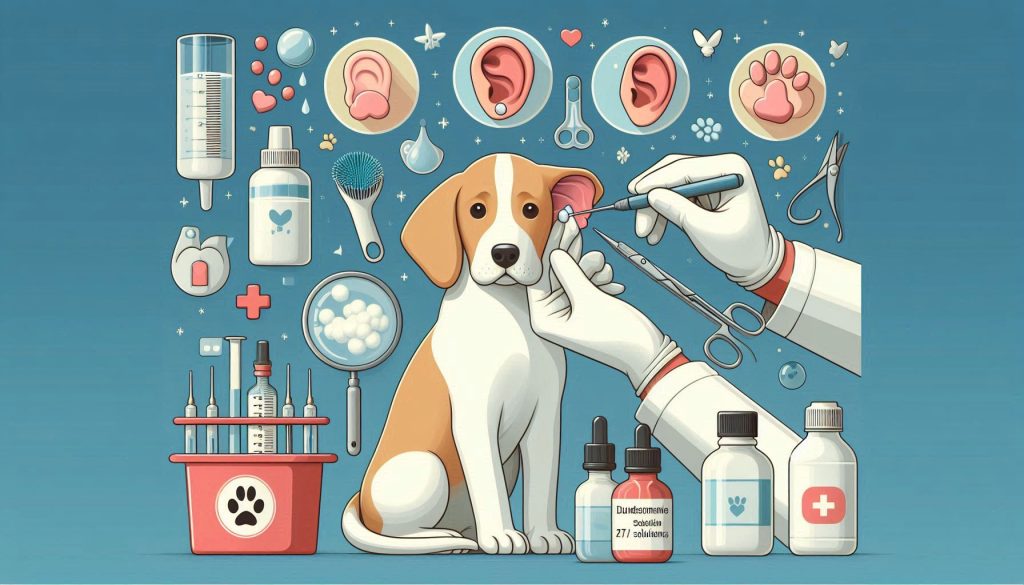
Having owned several breeds over the years, I’ve learned that ear anatomy dictates cleaning approach. How to clean Frenchie ears properly requires gentle handling of their upright, bat-like ears—I use moistened cotton pads weekly to wipe visible areas, being careful around their sensitive ear folds where yeast loves to hide. When addressing how to clean Poodle ears, I’m extra vigilant about hair removal; their curly fur grows even in the ear canal, so I carefully pluck visible hair before cleaning Poodle ears with a vet-approved solution. Similarly, how to clean a Doodles ears follows the same principle—these popular mixed breeds inherit the Poodle’s hair-filled ear canals that trap moisture and debris.
My experience with Spaniels taught me that how to clean Cocker Spaniel ears demands special attention; their heavy, pendulous ears create warm, dark environments perfect for infections. When cleaning Cocker Spaniel ears, I lift the flap completely, use more solution than with other breeds, and ensure thorough drying—I’ve found that twice-weekly cleaning prevents the chronic issues these beautiful floppy ears are notorious for developing.
Dog Ear Cleaning Tools & Materials
Soft Solutions for Sensitive Ears
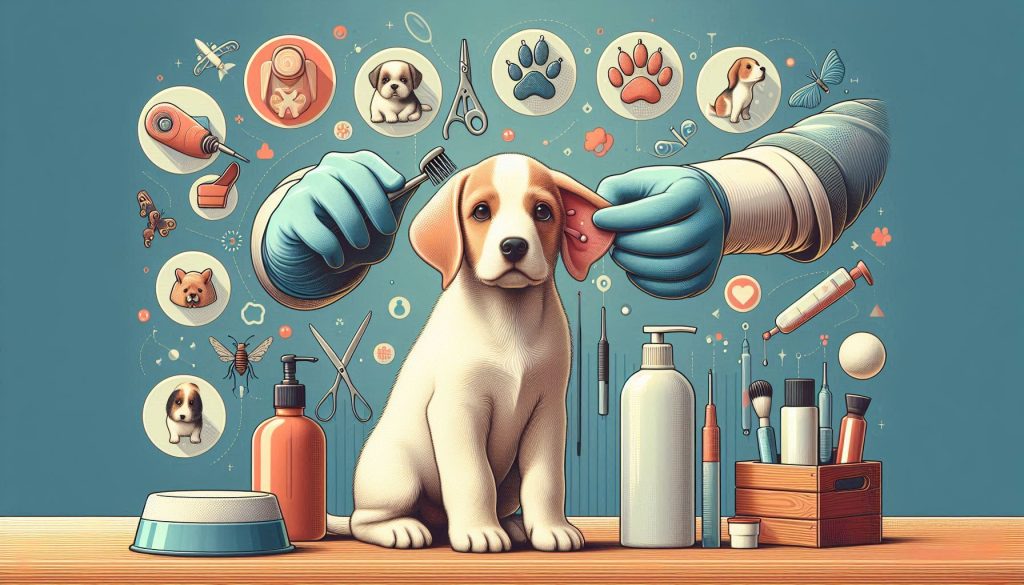
When cleaning my retriever’s ears last summer, I learned the hard way that the right tools matter as much as technique. Using a cotton ball dog ear cleaning approach provides the safest method for routine maintenance—I squeeze solution onto a large ball, then gently wipe the visible parts of the ear canal. Not ever place cotton balls in ears extremely; instead, let them absorb additional cleaning resolution after blushing. The most mutual question I receive at the dog park is “Can you clean a dog’s ears with Q-tips?” and my answer is continuously a fixed no!
Notwithstanding what you strength see online, veterinarians reliably warn against these slight gauzes that can easily thrust debris profounder or perforation the membrane if your pup types a rapid effort.I once made this mistake myself, causing my dog pain and a costly vet visit. Instead, stick with larger cotton balls or pads that can’t penetrate past the safe, visible portion of the ear canal—your furry friend’s sensitive ears will thank you with fewer infections and less irritation.
Specialized Equipment for Better Care
Beyond cotton balls, I’ve discovered several specialized tools that make ear cleaning safer and more effective for my anxious Border Collie. For first-time pet parents, finding reliable dog ears printable guides has been invaluable—I keep a laminated diagram on my bathroom wall showing the safe cleaning zones versus dangerous deeper areas. These visual references helped me understand my dog’s ear anatomy and avoid potential injuries during cleaning sessions. The best printable guides include illustrations of different breed ear types and step-by-step cleaning instructions.
Other essential tools in my cleaning kit include a specially designed ear-cleaning syringe with a blunt tip for gentle solution application, medical-grade hemostats for safe hair removal from hairy ear canals, and microfiber cloths that absorb moisture more effectively than regular towels. After trying numerous approaches over seven years with three different dogs, I’ve found that combining proper tools with consistent technique prevents the head-shaking struggles that made our early cleaning attempts so frustrating.
Dog Ear Health & Maintenance
Gentle Buildup Elimination Techniques
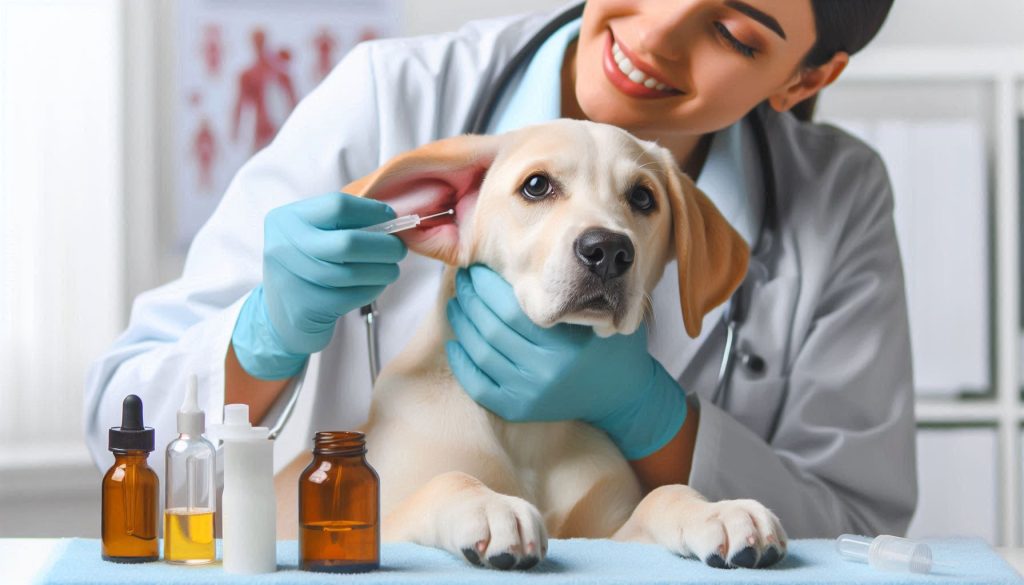
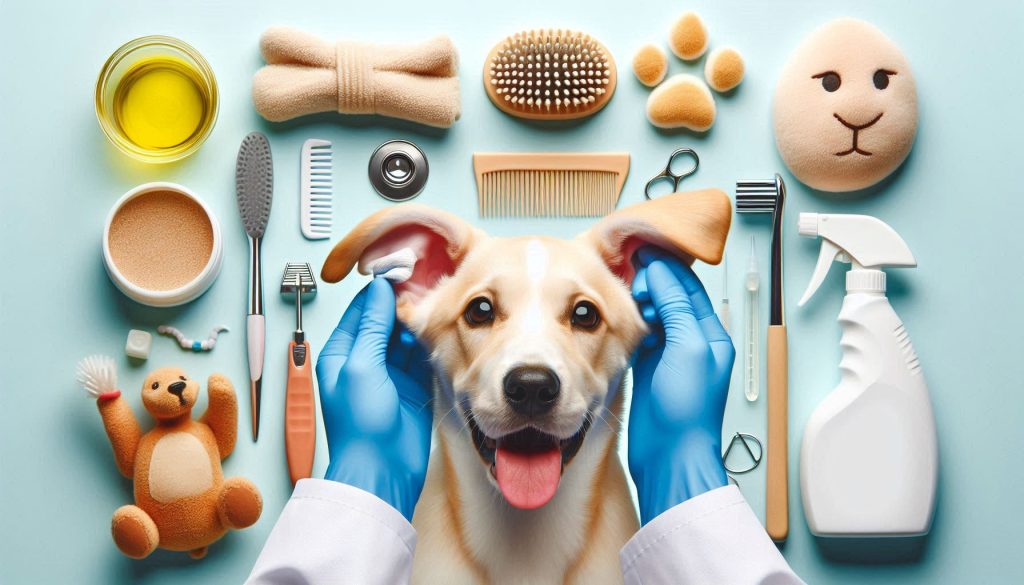
After fostering dozens of rescue dogs, I’ve become something of an expert on how to remove ear wax from my dog without causing distress. The key is using the right solution (veterinary-approved or homemade) and allowing it to soften debris before wiping. When pet parents ask me how to get the brown stuff out of a dog’s ear, I explain that this dark material—often yeast or ear mites—requires different treatment than standard wax.
For stubborn buildup, I fill the ear canal with cleaner, massage the base for 30 seconds, then let my pup shake naturally—this loosens even the most tenacious gunk. Understanding clean vs dirty dog ears visual differences saves unnecessary cleaning; healthy ears appear pink with minimal light-colored wax, while dirty ears show excessive dark discharge, redness, or swelling. With my Labrador, I check weekly but only clean when necessary—overwashing strips beneficial oils and disrupts the ear’s natural balance, potentially causing more problems than it solves.
Giving & Preventing Problems
Throughout my years as a substitute dog parent, I’ve apportioned with countless ear matters and educated that significant how to clean dog ear infection areas appropriately can avoid expensive vet visits. Once my Spaniel displayed signs of impurity—head tilting, excessive scratching, and a robust odor—I nearly scheduled a veterinary exam relatively than bidding home conduct alone, as proper analysis regulates whether the infection is infectious, fungal, or bloodsucking. After getting professional direction and medication, gentle housework develops vital to recovery—I use agreed solutions and avoid over-cleaning, which can infuriate already reddened tissue.
Sympathetic how often to clean dog ears varies intensely by type and individual; my short-eared Beagle rarely wants cleaning (monthly at most), though my floppy-eared Cocker wants weekly attention to prevent recurring contagions. Watch for threatening signs like redness, swelling, discharge, or a yeasty smell, and adjust your washing roster therefore—preventative care saves both your dog’s relief and your folder in the extended outing.
Unexpected Ear Care Options
Having tried numerous cleaning methods during my decade breeding Australian Shepherds, I’ve fielded the question “Can you flush a dog’s ear with water?” countless times from new owners. Plain tap water alone is actually not recommended—it lacks the acidity needed to discourage bacterial growth and can create a moist environment that promotes infection if not thoroughly dried. However, distilled water mixed with apple cider vinegar (1:1 ratio) creates an effective homemade solution. When clients ask “What can I bathe my dog’s ears with?“
I suggest several gentle alternatives—witch hazel works well for mild cleaning, while green tea (cooled after brewing) offers anti-inflammatory benefits I’ve seen work wonders on my senior dog’s recurring irritation. For maintenance between formal cleanings, I use fragrance-free baby wipes on the outer ear only, avoiding the canal entirely. After trying various commercial and homemade options with my champion show dogs, I’ve found that simpler solutions with fewer ingredients typically cause less irritation while still maintaining ear health.
Frequently Asked Questions:
How often must I fresh my dog’s ears?
Washing occurrence be contingent on your dog’s breed, ear type, and distinct requirements. Dogs with flappy ears like Cocker Spaniels may need broadsheet cleaning, while dogs with standing ears strength only need monthly conservation. Increase occurrence after whirling or showering.
Tin I use Q-tips to fresh my dog’s ears?
No, not always use Q-tips (cotton swabs) in your dog’s ears. They can thrust remains profounder into the ear canal or reason wound if your dog brands sudden actions. Stick to cotton balls or pads that cannot penetrate past the visible portion of the ear.
What are symbols my dog wants ear scrubbing or has an pollution?
Watch for extreme biting, head shaking, rawness, swelling, discharge, vulgar odor, or discernible dirt. If you sign these indications, particularly with pain or anxiety, check your veterinarian before struggling to clean at household.
Is it safe to use household answers for scrubbing dog ears?
Yes, simple home-based solutions like equivalent parts apple cider vinegar and concentrated water can be actual for routine conservation. However, never use household medications if your dog has injuries, irritation, or an active poison without veterinary endorsement.
How do I properly dry my dog’s ears after cleaning?
After dusting, gently wipe the noticeable parts with a soft dishtowel or strand ball. Never addition everything into the ear canal. For dogs prone to moisture matters, you can use a hairdryer on the calmest situation held at least a foot left from the ear.
Can I usage water alone to clean my dog’s ears?
Basic water is not optional as it lacks acidity to dishearten bacterial development and can generate a moist situation endorsing pollution. Always use proper ear cleaning solutions designed for dogs.
Conclusion:
Continuing clean, fit ears is one of the most significant yet often ignored aspects of doglike care. By including systematic ear payments and suitable cleaning into your dog’s training routine, you can circumvent aching toxicities, decrease veterinary expenditures, and improve your pet’s complete comfort and wellbeing. Reminisce that each dog is exclusive—what works for one breed may not be appropriate for another. Always attitude ear cleaning with patience and kindness, and don’t vacillate to seek expert guidance if you meeting persistent subjects. With the information and methods shared in this attendant, you’re now fortified to deliver outstanding ear maintenance that will subsidize to your authentic buddy’s health and pleasure for years to originate.