
Introduction:
Several dog proprietors don’t understand the thoughtful risks chicken bones position to their pets. While it strength seem innocent to pitch your dog a discarded bone, chicken bones—specially cooked ones—can particle easily and source serious internal injuries. In this marker, we’ll unearth the hidden dangers of nursing chicken bones to dogs, clarify what can materialize if your dog eats one, and monitor you on what to do in an emergency. Accepting these dangers can benefit you keep your furry friend from needless pain—or eviler.
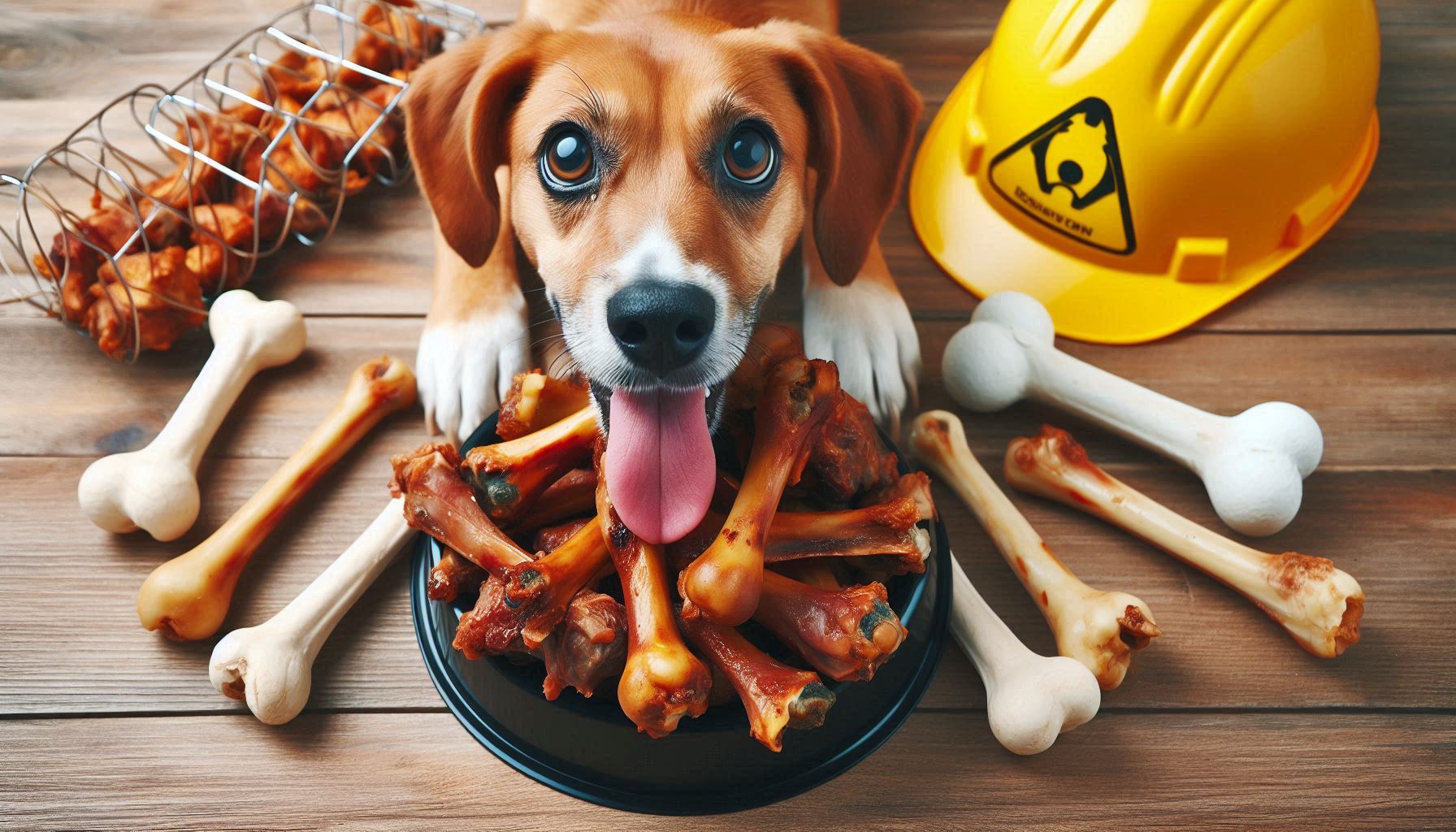
Chicken Bones & Dogs: Safety & Risks
Understanding the Dangers
As a veterinarian for over 15 years, I’ve felt numerous dangers where dogs had expended chicken bones. Agreement me be clear – chicken bones should never be given to your pets. When dogs eat chicken bones, particularly cooked ones, these bones piece easily, forming shrill remains that can hurt dogs inside. The question “Can dogs eat chicken bones?” has a simple answer: undeniably not. Chicken bones are bad for dogs because they don’t dissolve in a dog’s stomach – in its place, they create risky pieces. While some trust dogs can digest chicken bones logically, this is a risky delusion.
The reality is that these pieces can kill dogs by wounding the gastric tract. What happens if a dog eats chicken bones? They may grow serious symptoms of bone splinters in dogs counting heaving, tiredness, bloody stool, front pain, and struggle conscious. This is why dogs can’t eat chicken bones safely – the dangers only balance any professed welfares. If this occurs to your pet, don’t gap to see if they’ll permit it logically – exchange your vet closely.
What to Do In An Emergency
Afterward 12 years employed in extra veterinary medicine, I’ve directed https://gsvs.org/blog/dog-ate-chicken-bones-emergency/countless anxious pet parentages through this setup: “My dog ate chicken bones—what to do?” Main, don’t fright but act fast. If a dog swallows a chicken bone, never tempt nausea—this might cause other wound. In its place, scheme soft brass or well-preserved pumpkin as gentle home remedies for dog who ate chicken bones to help headrest any shrill edges during absorption.
Display closely for signs of bone obstruction in dogs like dribbling, muzzling, sickness, lethargy, or stomach pain. Even if your dog ate chicken bones but seems fine, you would still communication your vet nearly—inside harm isn’t always directly observable. How long does it take for a dog to pass chicken bones? Classically 24-72 hours, but difficulties can arise at any point through this dated. Every minute counts in these circumstances, and I’ve seen fast deed save lives that power have been missing to hesitancy or mistake
Common Risk Situations
Throughout my years organization an extra veterinary clinic, I’ve met countless panicked calls about dogs intense many types of chicken bones. Whether your dog ate baked chicken bones (which are particularly dangerous as they splinter easily) or your dog ate raw chicken bones (slightly less hazardous but still risky), fast care is vital. Size stocks very—when a small dog ate chicken bone or a early puppy ate chicken bone, the risks grow due to their finer intestinal areas.
The scenario of a dog swallowed chicken bone whole might actually be less immediately dangerous than if they’ve chewed it, as whole bones cause fewer lacerations, though obstruction risk increases. Certain types present unique hazards—a dog ate chicken wing bones situation often involves multiple small, sharp fragments, while dog ate rotisserie chicken bones cases are particularly concerning because these well-cooked bones shatter into extremely sharp shards. I remember treating a Yorkie who consumed an entire rotisserie chicken carcass while her owner stepped away for just two minutes—prompt surgery saved her life, but not all stories end so fortunately.
Other Bones & Meat Safety for Dogs & Risks
Bone Safety Guide
During my 15 years successively a veterinary practice, the question “What bones are OK for dogs to eat?” has been between the most common worries from pet proprietors. The answer needs shade—while some fresh bones can be existing below severe direction, most baked frames would be evaded totally. Many proprietors request, “Can dogs eat rib bones?” and I must carefulness beside it, as these jawbones piece easily and can source severe inner damage. Equally, when patrons wonder “Can dogs eat pork bones?,” I emphasize these are particularly risky due to their flimsiness and advanced fat happy.
The review “Can dogs eat turkey leg bones?” rates a fixed no—these deep; friable bones pose important break risks. Holiday dinners often quick the question “Can dogs eat ham bones?,” and over, these solid, smoked bones can break teeth and cause colonic wounds. Some marvel “Are lamb bones safe for dogs?,” and while raw chicken bones are slightly safer than chicken or beef, they still current important sharp and block threats that I’ve regrettably frozen too many times in extra locations.
Poultry Hazards Beyond Bones
Poultry Hazards Beyond Bones
Having treated countless emergency cases in my veterinary career, I’ve developed strong opinions about feeding poultry to dogs. When pet owners ask “Can dogs eat chicken wings?”, I explain that while the meat itself isn’t toxic, the small, sharp bones make wings exceptionally dangerous. Similarly, “Can dogs eat chicken drumsticks?” requires a nuanced answer—never with cooked bones, but even raw presents risks of bacterial contamination. Some adopt “Can dogs eat chicken cartilage?” has a diverse answer, but tendon can still cause impasses in the face of being softer than bone.
The general question “Can dogs eat raw chicken?” mainly anxieties me, as raw hen lugs important infectious dangers like Salmonella and Campylobacter that can repel both animals and persons. Even seemingly safer options raise concerns—”Can dogs eat rotisserie chicken?” Yes, but only if you’ve meticulously removed ALL bones, skin (too fatty), and seasonings (often contains toxic onion and garlic). Just last month, I treated a Labrador who developed severe pancreatitis after his owner regularly shared rotisserie chicken skin as a “special treat”—a painful lesson that cost thousands in emergency care.
General Human Food Safety for Dogs
Dog-Friendly Treats from Your Kitchen
By way of a veterinary nutritionist for finished a period, I’ve guided myriad pet parents finished creation safe food elections for their hairy friends. When patrons ask “Can dogs eat strawberries?“, I devotedly check these happy berries are not just safe but valuable—full with fiber, vitamins, and antioxidants that care your dog’s safe system and help achieve irritation. Just be certain to wash them carefully, remove the stalks, and cut them into suitable sizes to stop choking, particularly for slighter breeds. Also, the question “Can dogs eat chicken (boneless)?” takes a categorical yes—plain, unseasoned, fully-cooked gutless chicken is truly one of the fittest protein bases you can share with your canine friend.
My own Guide mix succeeds on irregular frightened breast delicacies mixed with his fixed food, which has helped conserve his influence build as he’s aged. Remind that control remains crucial with any humanoid food superfluities—even well delicacies should type up no more than 10% of your dog’s daily caloric ingestion to keep proper nutritive steadiness.
Dangerous Edibles to Keep Away
Drinking worked in extra veterinary medicine for fourteen years, I’ve treated too many preventable poisoning cases caused by common household foods. The query “Can dogs eat chocolate?” warrants an definite no—chocolate covers the bromine and caffeine, mixes that dogs digest much more gradually than humans, chief to toxic backlog that can cause sickness, diarrhea, takeovers, and even end in severe cases. The in the shade and more engrossed the coffee, the bigger the risk.
Similarly, when owners ask “Can dogs eat grapes?“, my answer is always an absolute prohibition—grapes and raisins can trigger sudden kidney failure in dogs, with some pets showing extreme sensitivity to even tiny amounts. Pardon makes grape harmfulness mainly scary is its randomness—I’ve seen cases where a great dog became disapprovingly ill from just a rare grapes, while extra time, a small terrier fortuitously ate some with no seeming effects. This variation in toxic reply doesn’t callous some dogs are “safe” to eat grapes—it means live Russian roulette with your pet’s foods is never price the risk.
Myths & Misconceptions About Dogs and Chicken Bones
Several pet landlords have gotten the caution around chicken bones existence risky for dogs. Upward up, my granny would essentially dive across the apartment if our domestic dog got near a chicken body! The truth is more nuanced than the common myth that any chicken bone will instantly kill your dog. While it’s not accurate that chicken bones always kill dogs, they do pose real risks that pet owners should understand.
Even big dogs with powerful jaws can’t necessarily eat chicken bones safely – size doesn’t grant immunity from the dangers of splintering bones that can cause internal injuries. In malice of what some may trust, no class of dog can constantly drink baked chicken bones deprived of danger. The reality is that all dogs must be reserved away from these possible dangers, regardless of their scope or kind.
Related Pet Safety Concerns
Although we often attention on whether dogs can have sure foods, it’s similarly vital to know if cats would be permitted near those same matters. Many proprietors marvel “Can cats eat chicken bones?” Comparable to their doggy complements, cats would not be agreed chicken bones as they existing akin risks of break and beginning internal injury. Having agreed at an animal housing for years, I’ve seen direct the extra cases that rise from pets intense unfitting matters.
Outside hen anxieties, pet proprietors should be alert that avocados comprise per sin, a fungicidal toxin that makes them risky for countless animals. “What animals can’t eat avocados?” is a common question at the clinic – the answer includes birds, rabbits, horses, rodents, and even some livestock, though cats and dogs typically experience only mild stomach upset from small amounts. Still, it’s best to keep avocados away from all your furry and feathered friends to avoid any potential issues.
Frequently Asked Questions (FAQ)
Q1: Can dogs eat chicken bones?
No. Dogs should never eat chicken bones, especially cooked ones, as they can splinter and cause serious internal injuries or blockages.
Q2: What happens if my dog eats a chicken bone?
A: Your dog may display symptoms like sickness, tiredness, wounded stool, stomach pain, or difficulty breathing. Communication your vet directly.
Q3: Are raw chicken bones safe for dogs?
A: Raw bones are slightly less dangerous than cooked ones, but they still pose risks such as choking, splintering, or bacterial infections.
Q4: What should I do if my dog ate a chicken bone?
A: Break peaceful and escape making sickness. Monitor for symptoms and consult your vet as soon as possible for safe guidance.
Q5: Can large dogs safely chew chicken bones?
A: No. The size or breed of the dog does not reduce the risk. All dogs can suffer from bone splinters and internal injuries.
Q6: What are safe treats for dogs instead of bones?
A: Boneless, plain cooked chicken, strawberries, carrots, or vet-approved chew toys are safer alternatives.
Conclusion
Chicken bones might look like a bland treat, but they posture a actual and thoughtful risk to your dog’s health. From bitter threats to inside damages, the dangers are fair not wealth it. Whether baked or raw, frames should not ever be nursed to bitches without severe veterinary management. If your dog fortuitously annoys one, act fast—monitor their indications and contact your vet directly. By staying knowledgeable and careful, you can help keep your hairy companion safe, fit, and pleased.