
Introduction:
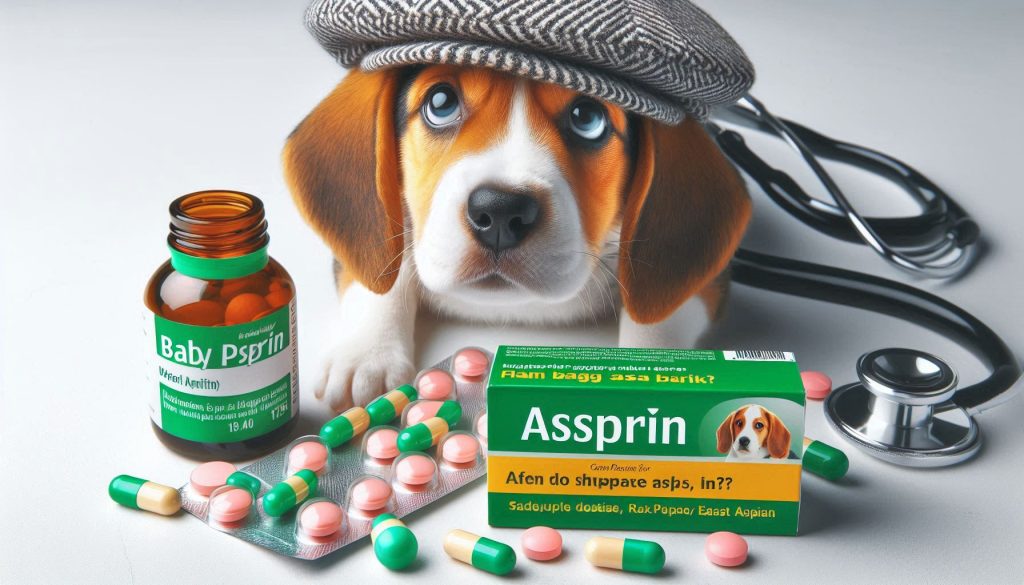
Doubting if you can stretch your dog baby aspirin for hurt relief? You’re not only.https://www.akc.org/expert-advice/health/aspirin-for-dogs/ Several pet proprietors seek fast solutions for their dog’s distress, but generous the wrong dose—or expending the wrong type—can main to serious health problems. In this monitor, we’ll disruption down all you need to know almost baby aspirin for dogs, counting safe amounts, risks, and skilled tips to keep your fuzzy friend safe and contented.

Aspirin for Dogs: Dosage Guidelines
Understanding Proper Medication Amounts for Your Canine
Most vets will tell you that canine aspirin dosage should be somewhere between 5-10 mg per pound of your dog’s weight, given twice a day, but here’s the thing – that’s just a starting point. When my neighbor asked me “how much aspirin can I give my dog?” after her Lab injured his paw, I had to stop her from just guessing.
The correct aspirin dose for dogs depends on so many factors that even experienced dog parents like myself sometimes get overwhelmed. Size matters, obviously, but so does age, breed, and whether your pup is already taking other medications. The question how much aspirin to give a dog becomes even trickier when you’re dealing with older dogs or breeds known for stomach sensitivity. I’ve learned the hard way that what works for one dog might be completely wrong for another.
My friend’s Beagle needed a much different aspirin dosage for dogs than my retriever, even though they weighed about the same. After talking with countless dog owners and consulting with my vet multiple times, I’ve realized that asking how much aspirin for dogs is safe really requires professional input. The dog aspirin dosage that seems reasonable might actually cause stomach ulcers or worse if you’re not careful. Trust me, the peace of mind from getting proper veterinary guidance is worth way more than trying to figure out the right amount on your own.
Understanding Baby Aspirin for Your Four-Legged Friend
Can I give my dog 81mg aspirin? This exact question came up when my sister’s terrier was showing signs of joint stiffness, and honestly, it’s one of those situations where pet owners often feel torn between wanting to help immediately and doing what’s safest. 81 mg aspirin for dogs is essentially what we call baby aspirin, and while it sounds gentler because of the name, it’s not automatically safe for every dog. I’ve seen too many pet parents assume that baby aspirin for dogs is harmless simply because it’s marketed for infants, but dogs process medications completely differently than humans do.
The baby aspirin dosage for dogs isn’t just a scaled-down human dose – it requires careful calculation based on your dog’s specific weight and health status. When people ask “can dogs have baby aspirin?”, I always share what my vet taught me: even though 81 mg aspirin dosage for dogs might seem like a small, manageable amount, it can still cause serious stomach upset or worse complications if given incorrectly.
My own experience with my Cocker Spaniel taught me that what looks like a tiny pill can pack a significant punch for smaller dogs. The 81 mg aspirin for dogs that might be appropriate for a 50-pound retriever could be way too much for a 15-pound terrier. I’ve learned that before considering baby aspirin for dogs, you really need to have that conversation with your vet about proper dosing, timing, and whether your specific dog is even a good candidate for aspirin therapy. The baby aspirin dosage for dogs your neighbor uses might be completely wrong for your pet, and honestly, that’s not a risk worth taking when your furry family member’s health is on the line.

Aspirin for Dogs: Dosage Guidelines
Calculating the Right Amount Based on Your Dog’s Size
Aspirin dosage for dogs per pound is something I had to master quickly when my German Shepherd started showing arthritis symptoms at age eight. The whole weight-based calculation seemed overwhelming at first, but my vet explained that dog aspirin dosage per pound is actually the most accurate way to ensure your pet gets safe, effective pain relief without risking overdose. I remember sitting at my kitchen table with a calculator, trying to figure out the aspirin dose for dogs by weight for my 75-pound boy, and realizing that the generic “one pill fits all”
approach I’d seen online was completely wrong. What really opened my eyes was when my vet showed me a low-dose aspirin for dogs dosage chart during our appointment – seeing those numbers laid out clearly made me understand why my neighbor’s Chihuahua needed such a drastically different amount than my Shepherd. The aspirin dosage for dogs per pound typically ranges from 5 to 10 milligrams, but that’s where things get tricky because not all dogs tolerate the higher end of that range.
I learned this lesson when I initially calculated the dog aspirin dosage per pound for my dog using the maximum recommendation and noticed he seemed uncomfortable after just two days. Working with the aspirin dose for dogs by weight formula, we adjusted downward and found his sweet spot at about 6 mg per pound, given twice daily with food. The low-dose aspirin for dogs dosage chart my vet provided became my go-to reference, but she emphasized that these charts are starting points, not absolute rules – every dog responds differently, and what works perfectly according to the math might need tweaking based on how your individual pet handles the medication.
Timing and Safety Considerations for Canine Pain Relief
How often can dogs have aspirin? became a pressing concern when my Border Collie developed hip dysplasia, and I quickly discovered that timing is everything when it comes to keeping our furry companions comfortable without causing harm. My vet was very clear that aspirin should typically be given every 12 hours, never more frequently, because dogs metabolize this medication much slower than humans do. The question “is baby aspirin safe for dogs?”
came up during our consultation, and while she confirmed it could be safer than regular-strength aspirin due to the lower dose, she stressed that “safer” doesn’t mean “risk-free” – even baby aspirin can cause stomach ulcers, kidney problems, or dangerous bleeding if not used properly. I learned firsthand that can dogs take low-dose aspirin? isn’t just a yes-or-no question when my friend’s Labrador had a severe reaction after just three days of what seemed like a conservative dose. How often can dogs have aspirin? depends heavily on your dog’s individual health status, age, and whether they’re taking other medications that might interact badly.
Through my dog’s conduct, I kept a comprehensive log of when I offered each dose since it’s shockingly easy to lose track, and replication up inadvertently could be unsafe. The authenticity about “is baby aspirin safe for dogs?” is that while many dogs stand it well when castoff correctly, it needs constant monitoring for signs of stomach upset, changes in craving, or infrequent lethargy. My experience trained me that even when inquiring “can dogs take low-dose aspirin?” gets a careful yes from your vet, you need to stay watchful about how often can dogs have aspirin and never extend action beyond what’s optional without skilled management.
Aspirin Safety & Risks for Dogs
What Pet Owners Need to Know About Serious Complications
What happens if a dog eats one baby aspirin? This exact scenario played out in my living room when my curious Beagle snatched a dropped pill before I could stop him, and let me tell you, the panic that followed taught me more about aspirin risks than any textbook ever could. While one baby aspirin might not cause immediate disaster for most medium to large dogs, the real question “can aspirin hurt a dog?” has a definitive yes – even small amounts can trigger stomach bleeding, especially in dogs with sensitive digestive systems or those already on other medications.
Aspirin poisoning in dogs is something I witnessed secondhand when my neighbor’s small terrier got into her pill organizer, and the symptoms were genuinely frightening – vomiting blood, extreme lethargy, and rapid breathing that sent us racing to the emergency vet at midnight. The question “is aspirin good for dogs?” really depends on context, because while it can provide pain relief when used correctly under veterinary supervision,
the margin between helpful and harmful is much narrower than most pet owners realize. Can aspirin hurt a dog? absolutely, and I learned that even when given intentionally for legitimate pain management, dogs can develop aspirin poisoning in dogs if the dose is wrong, given too frequently, or combined with certain foods or other medications.
When people ask “what happens if a dog eats one baby aspirin?” I always share my vet’s advice: watch closely for any variations in conduct, appetite, or washroom habits over the next 24-48 hours, because indications can be understated at first. The truth about “is aspirin good for dogs?” is that while it can be beneficial in specific situations, the possible for aspirin poisoning in dogs incomes it should not ever be given nonchalantly or without expert guidance, irrespective of how minor your dog’s distress appears.

Exploring Safer Pain Relief Options for Your Canine Companion
What aspirin is safe for dogs? This question spooky me after my Guide mix had a dreadful reaction to steady aspirin, foremost me down a path of investigation that totally different how I approach my pets’ pain organization. Buffered aspirin for dogs appeared as a possible internal ground during discussions with my vet, who clarified that these preparations comprise stomach-protecting mixes like magnesium hydroxide or calcium carbonate that can decrease intestinal irritation. The debate of human aspirin vs. dog aspirin developed crystal perfect when I associated ingredient labels – human constructions often contain xylitol, artificial sweeteners, or other additives that can be toxic to dogs,
while veterinary-specific harvests are designed with canine composition in observance. Buffered aspirin for dogs might sound like the perfect solution, but my experience taught me that even these “gentler” versions can cause problems if your dog has underlying kidney issues or takes certain other medications. When people ask “what aspirin is safe for dogs?”, I always share what my emergency vet told me during that scary midnight visit: there’s no completely risk-free aspirin for dogs, only options that are relatively safer when used correctly under professional supervision.
The human aspirin vs. dog aspirin comparison really hit home when I realized that even identical active ingredients can behave differently in dogs due to coating materials, absorption rates, and metabolism differences. Buffered aspirin for dogs represents just one alternative in a world where safer options like prescription NSAIDs designed specifically for canines, physical therapy, acupuncture, and joint supplements might be better long-term solutions. My journey through human aspirin vs. dog aspirin options ultimately led me to understand that the safest approach often means stepping away from aspirin altogether and exploring veterinary-approved alternatives that don’t carry the same risks.
Pain Management in Dogs
When Canines Need Relief from Common Ailments
Aspirin for dogs with arthritis converted part of my daily tedious when my 12-year-old Lab ongoing stressed to get up from his preferred spot by the hearth, and viewing him grimace with each undertaking destitute my heart in conducts I never predictable. The expedition into aspirin for dog pain relief began when outdated anti-inflammatory medications weren’t sufficient, and my vet watchfully optional we try low-dose aspirin as part of a complete pain organization idea that comprised joint complements and physical rehabilitation. Dog toothache relief arrived my vocabulary erratically when my Beagle industrial a cracked forecast and was poignant at his mouth frequently – the worry in his eyes made me thoughtful every imaginable assortment, including aspirin,
though my vet rapidly steered me toward safer dental-specific conducts. Aspirin for dogs with arthritis can provide meaningful relief for some pets, but I learned that it’s not a magic bullet and works best when combined with weight management, gentle exercise, and sometimes prescription medications designed specifically for canine joint pain. The reality of using aspirin for dog pain relief hit me when I realized that what worked beautifully for my arthritic Lab was completely inappropriate for my smaller dog’s dog toothache relief – dental pain requires different approaches,
often involving antibiotics and professional dental care rather than general pain relievers. Aspirin for dogs with arthritis educated me that chronic circumstances need long-term plans, not just quick fixes, and nursing for side effects develops crucial when you’re charitable any medication frequently. When it comes to dog toothache relief, I exposed that aspirin capacity provide provisional wellbeing, but it can also cover symptoms that need direct veterinary attention, possibly allowing a simple dental issue to become a thoughtful infection that could range to other shares of your dog’s body.
Pain Management in Dogs
Exploring Other Options Beyond Traditional Medications
What pain reliever can I give my dog? became my desperate midnight Google search when my German Shepherd was clearly uncomfortable after a rough play session, and the answers I found were both surprising and concerning. Over-the-counter pain relief for dogs seems like it should be straightforward, but my vet quickly educated me that most human medications are actually dangerous for our furry friends – what’s safe in our medicine cabinet can be toxic in theirs.
The question about Tylenol dosage for dogs came up during my research, and I’m grateful I called my emergency vet before trying it because she immediately warned me that acetaminophen (Tylenol) can cause severe liver damage and even death in dogs, with no safe dosage whatsoever.
What pain reliever can I give my dog? led me to discover that the safest over-the-counter pain relief for dogs options are actually very limited – most vets recommend sticking to specific canine formulations or natural alternatives like ice packs, gentle massage, and rest rather than human medications. My experience taught me that when people ask “what pain reliever can I give my dog?”, the honest answer is that very few human pain relievers are safe, and even those that might be used in emergency situations require precise veterinary guidance.
Over-the-counter pain relief for dogs that’s actually designed for canines does exist, but it’s usually found at pet stores or through veterinary clinics rather than your local pharmacy. The Tylenol dosage for dogs query highpoints a dangerous point:
there is no innocent amount of many shared human pain relievers for dogs, and presumptuous that “less is safe” can be a deadly fault. What pain reliever can I give my dog? ultimately led me to comprehend that the best method involves accessing with a vet first, traveling non-medication choices like heat treatment and mild exercise, and custody a canine-specific pain respite plan in place before crises arise.
Specific Aspirin Types & Brands
Understanding Brand-Name Options for Canine Pain Relief
Can I give my dog Bayer low-dose aspirin? This exact question popped into my head when I was standing in the pharmacy aisle, staring at the familiar orange bottle while my arthritic Golden Retriever waited in the car, and honestly, the brand name made it feel somehow safer than generic options. The comparison of baby aspirin (81mg) vs. regular aspirin became crucial when my vet explained that Bayer’s low-dose formulation contains the same 81mg of aspirin as other baby aspirin brands, but the coating and inactive ingredients can vary significantly between manufacturers.
Can I give my dog Bayer low-dose aspirin? got a cautious “maybe” from my veterinarian, who emphasized that while Bayer is a trusted brand with consistent quality control, the decision should be based on my dog’s specific health needs rather than brand loyalty. The baby aspirin (81mg) vs. regular aspirin debate in my household ended when I realized that my 70-pound retriever would need multiple baby aspirin tablets to reach an effective dose, while a quarter of a regular aspirin might be more practical –
but my vet quickly corrected this thinking, explaining that splitting regular pills creates dosing inconsistencies. Can I give my dog Bayer low-dose aspirin? led to a deeper conversation about how even reputable brands like Bayer can include enteric coatings or additives that might not agree with every dog’s digestive system.
The baby aspirin (81mg) vs. regular aspirin choice ultimately came down to precision – baby aspirin allows for more accurate dosing in smaller dogs, while regular strength aspirin can be difficult to divide accurately and may contain higher concentrations of potentially irritating compounds. My experience with baby aspirin (81mg) vs. regular aspirin taught me that regardless of whether I choose Bayer or another brand, the key is consistency in dosing and careful monitoring, because even the most trusted pharmaceutical companies can’t predict how my individual dog will respond to their formulation.
Stomach-Friendly Formulations for Sensitive Canines
Is buffered aspirin safer for dogs? became my primary concern after my Border Collie developed stomach upset from regular aspirin, and switching to a buffered version literally saved our pain management routine from complete failure. The buffered aspirin dosage for dogs follows the same weight-based calculations as regular aspirin – typically 5-10mg per pound every 12 hours – but the addition of antacids like magnesium hydroxide or calcium carbonate creates a protective barrier that significantly reduces gastric irritation.
Is buffered aspirin safer for dogs? got a qualified “yes” from my vet, who explained that while buffered versions are gentler on the stomach lining, they’re not risk-free and still require the same careful monitoring for signs of bleeding, kidney problems, or other complications.
My personal experience with buffered aspirin dosage for dogs taught me that even though the stomach-protecting compounds make it easier for dogs to tolerate, you can’t just assume it’s harmless – my friend’s Labrador still developed mild gastric issues after two weeks of buffered aspirin, proving that individual sensitivity varies greatly. Is buffered aspirin safer for dogs? depends partly on your dog’s specific health profile, because dogs with existing kidney disease or those taking certain other medications may not benefit from the buffering agents and could actually experience additional complications.
The buffered aspirin dosage for dogs calculation becomes more complex when you factor in the additional compounds, and I learned that some buffering agents can interfere with the absorption of other medications my dog was taking for his hip dysplasia. Is buffered aspirin safer for dogs? ultimately led me to understand that while buffered formulations reduce one major risk (stomach irritation), they don’t eliminate all the potential dangers of giving aspirin to dogs, and the decision should always involve veterinary guidance rather than assumptions about safety based on the “buffered” label.
Administering Aspirin to Dogs
Practical Methods for Safe Medication Delivery
Can you crush aspirin for dogs? This question became urgent when my stubborn Beagle refused to swallow his pain medication whole, and I found myself frantically researching whether crushing would affect the drug’s effectiveness or safety. Can I give my dog aspirin with food? was actually the easier question to answer – my vet strongly recommended always giving aspirin with a meal or at least a small snack to protect the stomach lining and reduce the risk of gastric irritation.
Can you crush aspirin for dogs? gets complicated because some aspirin tablets have enteric coatings designed to dissolve in the intestines rather than the stomach, and crushing these can actually increase the risk of stomach upset that the coating was meant to prevent.
My experience with “can I give my dog aspirin with food?” taught me that mixing the medication with something tasty like a spoonful of wet food or peanut butter (xylitol-free, of course) not only protects their stomach but also makes the whole process less stressful for both of us. Can you crush aspirin for dogs? became a non-issue when I discovered that uncoated, regular aspirin tablets can generally be crushed safely, but buffered or enteric-coated versions should remain whole to maintain their protective properties. The timing aspect of “can I give my dog aspirin with food?” matters too –
I learned that giving it right before or during a meal provides the best stomach protection, while giving it hours after eating on an empty stomach increases the risk of nausea and digestive upset. Can you crush aspirin for dogs? ultimately led me to find creative solutions like pill pockets or hiding whole tablets in soft treats, because maintaining the medication’s intended formulation while ensuring my dog actually takes it became a balancing act that required patience and sometimes a bit of creativity.
When Accidents Happen with Medication
My dog ate 81mg aspirin—what to do? This exact panic hit me at 3 AM when I found my curious Terrier mix chewing an empty pill bottle that had rolled under the couch, and the immediate terror of not knowing whether this was a life-threatening emergency or something I could monitor at home consumed my thoughts. My dog ate 81mg aspirin—what to do? led me to immediately call the pet poison control hotline, where the technician walked me through a series of questions about my dog’s weight, when the ingestion occurred, and whether he showed any immediate symptoms like vomiting or unusual behavior.
The response to “my dog ate 81mg aspirin—what to do?” depends heavily on your dog’s size – what might be a minor concern for a 60-pound Golden Retriever could be seriously dangerous for a 10-pound Chihuahua, and the timing matters just as much as the dosage. My dog ate 81mg aspirin—what to do? skilled me that encouraging vomiting isn’t always the correct answer, particularly if more than two hours have passed or if your dog is previously viewing signs of suffering, because aspirin can reason stomach flow that vomiting strength degenerate.
The direct steps for “my dog ate 81mg aspirin—what to do?” comprise remaining calm, observing the careful time of digestion, checking for any remaining pills to determine how much was actually consumed, and calling your spare vet or poison control before taking any action. My dog ate 81mg aspirin—what to do? became a learning knowledge that trained me to always have triggered charcoal and hydrogen peroxide on hand (though only to use under professional guidance),
save all medicines in truly dog-proof flasks, and maintain a list of emergency acquaintances counting after-hours veterinary clinics. The authenticity of “my dog ate 81mg aspirin—what to do?” is that rapid expert direction can make the change between a minor scare and a thoughtful medical extra, so never hesitate to brand that call even if you’re not certain it’s required.
Dog-Specific Aspirin Products
Finding the Right Sources for Canine Pain Relief
Where can I buy aspirin for dogs? became my mission after my vet recommended switching from human aspirin to a veterinary-specific formulation for my arthritic Shepherd, and I quickly discovered that finding truly dog-designed aspirin isn’t as straightforward as walking into any pharmacy. The difference between dog aspirin vs. human aspirin became crystal clear during my search – most pet stores carry canine-specific pain relievers that are formulated with dog-safe ingredients,
proper dosing for various weight ranges, and flavoring that makes administration easier than fighting with a bitter human pill. Where can I buy aspirin for dogs? led me to veterinary clinics first, where I found prescription and over-the-counter options that had been tested specifically for canine use, though the prices were significantly higher than human equivalents.
The dog aspirin vs. human aspirin comparison got interesting when I realized that many “dog aspirin” products are actually buffered or coated versions of the same active ingredient, but with additional safety measures and dosing guidelines that take the guesswork out of weight-based calculations. Where can I buy aspirin for dogs? expanded to online veterinary supply companies, major pet retailer websites, and even some farm supply stores that carry livestock and companion animal medications, though I learned to verify that any online source is reputable and sells genuine products.
The dog aspirin vs. human aspirin debate in my household ended when I calculated that buying dog-specific products actually wasn’t much more expensive when you factor in proper dosing, reduced risk of adverse reactions, and the peace of mind that comes with using something designed for my pet’s physiology. Where can I buy aspirin for dogs? ultimately taught me that while human aspirin might be more accessible, investing in veterinary-approved products from legitimate sources like Petco, Chewy, or my local vet clinic was worth the extra effort for my dog’s safety and my own confidence in the treatment plan.
Pain Relief FAQs for Dogs
Answering Common Pet Owner Concerns About Canine Comfort
What can I give my dog for immediate pain relief? This desperate question flooded my mind at 2 AM when my Border Collie was clearly suffering after a hiking accident, and the reality is that safe immediate options are surprisingly limited without veterinary guidance. Is it safe to give my dog aspirin? became my next frantic Google search, and while aspirin can be used for dogs under specific circumstances, it’s definitely not something to give casually – my vet explained that even “safe” doses can cause stomach bleeding, kidney problems, or dangerous interactions with other medications.
The question “can puppies have aspirin?” came up when my friend’s young Golden Retriever injured his paw, and the answer was a firm no from every veterinary source I consulted – puppies’ developing organs simply can’t process aspirin safely, and their smaller size makes dosing extremely risky. What can I give my dog for immediate pain relief? led me to discover that ice packs, gentle restriction of movement, and comfort measures are often the safest first steps while you contact your emergency vet for professional advice.
Is it safe to give my dog aspirin? depends entirely on your dog’s health status, weight, age, and current medications, which is why my vet always insists on evaluating each situation individually rather than giving blanket recommendations.
Can puppies have aspirin? highlighted how age-specific canine medication safety becomes – what might be appropriate for a senior dog with arthritis could be deadly for a growing puppy whose liver and kidneys aren’t fully developed. The truth about “what can I give my dog for immediate pain relief?” is that the safest approach involves having a pain management plan in place before emergencies happen, keeping your vet’s after-hours number handy, and understanding that “is it safe to give my dog aspirin?” isn’t a question you should be asking in crisis moments when your pet is suffering.
FAQ: Baby Aspirin for Dogs:
1. Can I give my dog baby aspirin without talking to a vet?
It’s not recommended. Even though baby aspirin seems mild, it can cause serious side effects in some dogs. Always consult your vet before giving any medication.
2. What is the correct baby aspirin dosage for dogs?
A general guideline is 5–10 mg per pound of body weight, given every 12 hours. But this isn’t a one-size-fits-all rule—your dog’s age, breed, and health condition matter.
3. Is baby aspirin safer than regular aspirin for dogs?
It can be, due to the lower dosage. But “safer” doesn’t mean “safe for all.” Both forms can cause stomach issues, ulcers, or worse if not used properly.
4. What are the side effects of baby aspirin in dogs?
Look out for vomiting, loss of appetite, diarrhea, lethargy, or blood in stool. These could signal internal issues, and your dog should see a vet right away.
5. Can I use aspirin to treat my dog’s arthritis or pain regularly?
Aspirin may provide temporary relief, but it’s not ideal for long-term use. Vets often recommend safer, canine-specific medications or holistic options for chronic pain.
Conclusion:
Aspirin may seem like a quick fix for pain, but giving your dog a dose shouldn’t be taken lightly. Since each dog is unique, what suits one may not be suitable for another. This is why it’s crucial to consult a veterinarian before administering any medications to humans, including aspirin for babies. You can determine the safest, most efficient method to keep your dog content and pain-free with the correct information, a little prudence, and your veterinarian’s assistance.