
Introduction:
Thoughtful about taking home an exotic pet? From whiskery dragons to sugar gliders, choosing the right striking pet for beginners can be complicated. This leader breaks down all you need to know—lifespan, diet, covering, and legal rules—so you can make a smart, safe, and satisfying select.
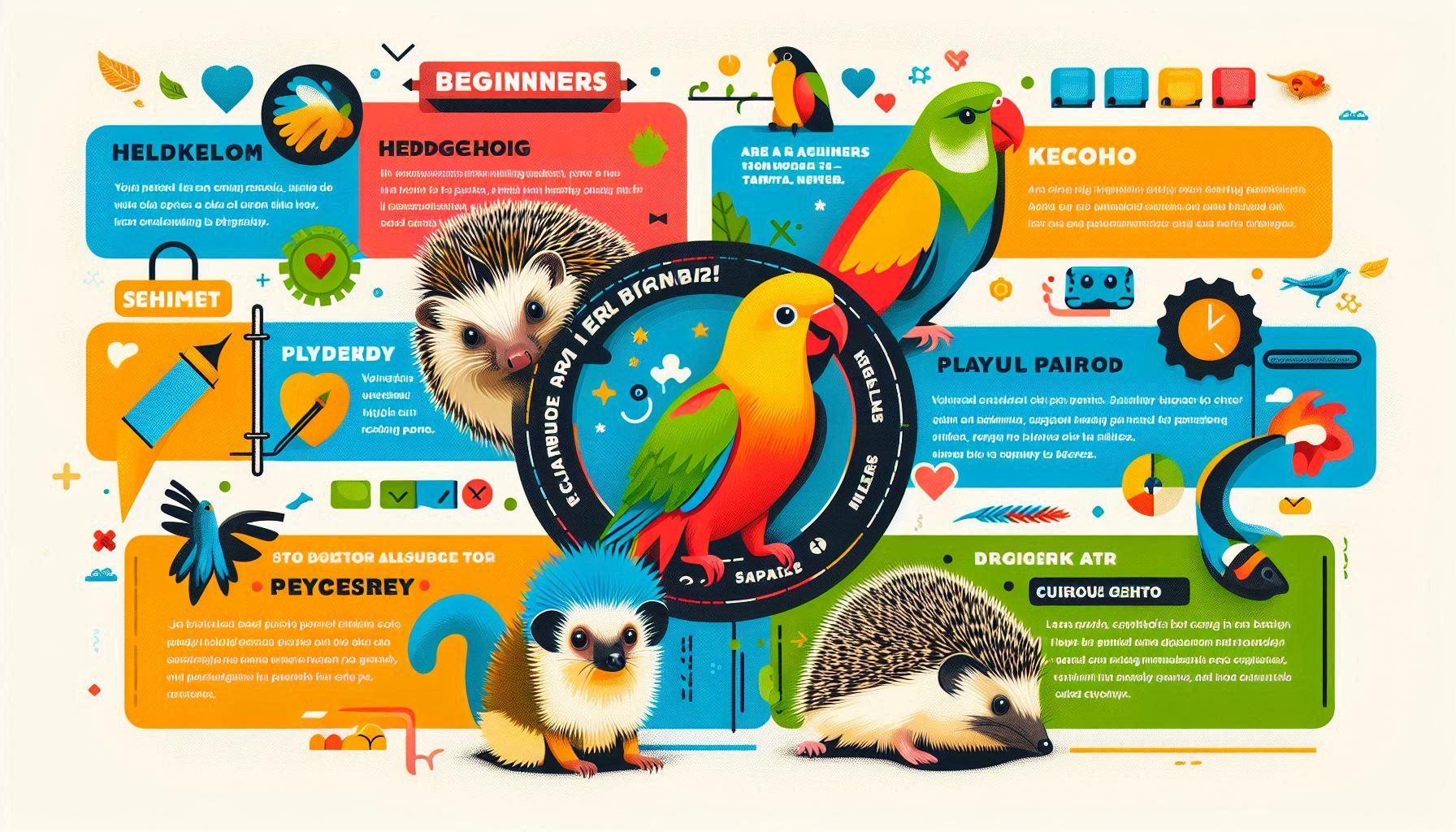
Choosing the Right Exotic Pet
Lifespan Reality Check: What You’re Really Signing Up For
When I first stylish researching best exotic pets for beginners,https://welovepets.care/pet-tips/5-best-exotic-pets-for-beginners%EF%BF%BC/ I simply supposed all small animals had similar lifespans – I was totally wrong. The lifespan of exotic pets differences dramatically and often fastenings new landlords off guard; for instance, that attractive baby bearded dragon you’re as will likely live 10-15 years, while a ball python can effortlessly reach 20-30 years with correct care. Low-maintenance exotic pets like recluse crabs might seem like short-term promises, but they can live 10-30 years in confinement, and even “starter” pets like degus live 5-8 years, requiring reliable veterinary care finished their lives.
Before choosing any legal exotic pets in, I learned to investigation not just current procedures but also reproduce how your life strength change over the next historical or more – will you still have the time, money, and living complaint to appropriately care for your pet when you’re in a varied life stage? The lifespan factor becomes even more critical when you realize that many exotic pets require specialized veterinary care that becomes more expensive and necessary as they age, and finding someone willing to adopt an older exotic pet if life circumstances change is incredibly difficult compared to traditional pets.
Dietary Needs: The Hidden Cost Nobody Warns You About
The dietary needs of exotic pets became my biggest shock when I moved beyond traditional cats and dogs – what seemed like low-maintenance exotic pets quickly turned into expensive, time-consuming feeding schedules that changed my entire routine. Many best exotic pets for beginners like bearded dragons require live insects, fresh vegetables, and calcium supplements that can cost $60-120 monthly, plus you’ll need to maintain live cricket colonies or make weekly trips to specialty pet stores for fresh feeders. Even legal exotic pets in that appear simple, like sugar gliders, demand fresh fruits, vegetables, specially formulated pellets,
and protein sources that must be prepared daily, and their nocturnal nature means you’ll be chopping vegetables and measuring supplements at 10 PM every night. The dietary needs extend beyond just food costs – you’ll need separate refrigerator space for frozen rodents, specialized storage containers for live insects, and backup plans for when your regular supplier runs out of crickets or when fresh produce spoils faster than expected, making those seemingly low-maintenance exotic pets require more daily attention than most traditional pets.
Housing Requirements: Space Planning Beyond Your Imagination
When I first researched housing requirements for exotic pets, I discovered that even the best exotic pets for beginners need far more complex setups than I anticipated – a single chinchilla requires a multi-level cage that’s at least 6 feet tall with specific temperature control, while ball pythons need terrariums with precise heating gradients that can transform an entire room into a climate-controlled environment. What many people don’t realize about legal exotic pets in is that housing requirements often include backup power systems for heating, specialized lighting that runs 12+ hours daily, and humidity control systems that can add $200-500 to your monthly electricity bill.
Even supposedly low-maintenance exotic pets like hermit crabs need carefully maintained environments with both fresh and saltwater pools, specific substrate depths, and multiple shell options, requiring dedicated floor space and daily monitoring that makes their housing requirements more demanding than most apartment dwellers expect. The reality hit me when I realized that proper exotic pet housing requirements often mean dedicating entire rooms to temperature and humidity control, investing in generator backups for power outages, and accepting that your living space will permanently accommodate specialized equipment that hums, clicks, and glows 24/7.
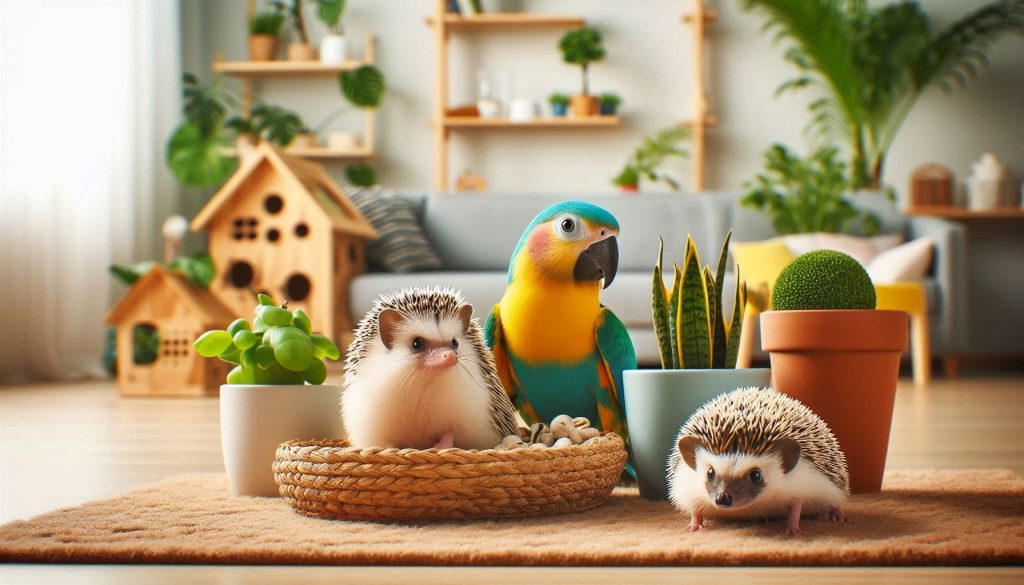
Legal Restrictions: The Bureaucratic Maze You Must Navigate
The legal restrictions surrounding exotic pet ownership taught me that even the best exotic pets for beginners can become illegal overnight due to changing municipal laws, and what constitutes legal exotic pets in [Your Country/State] varies so dramatically that a hedgehog legal in one city might be banned just 20 miles away. I learned this the hard way when researching sugar gliders – seemingly low-maintenance exotic pets that require special permits in some states, complete bans in others, and regular inspections that can cost hundreds in fees annually, plus many landlords and insurance companies refuse coverage for homes with exotic pets regardless of their legal status.
The legal restrictions extend far beyond just ownership permits; many legal exotic pets in require specialized veterinary care from licensed exotic animal vets, mandatory health certificates for transport, and some areas require proof of appropriate housing and experience before approving permits. What shocked me most was discovering that legal restrictions can change retroactively – animals that were legal exotic pets in [Your Country/State] when you purchased them might become illegal to own, forcing you to either relocate, surrender your pet, or face legal consequences, making thorough research of local, state, and federal regulations absolutely essential before committing to any exotic pet.
Proper Housing and Habitat Setup
Reptiles (Snakes, Lizards, Turtles): The Temperature and Humidity Balancing Act
Setting up proper housing for reptiles taught me that snakes, lizards, and turtles each demand completely different environmental controls that can transform your entire living space into a carefully monitored ecosystem. My first bristly dragon setup essential a 75-gallon container with reclining spots at 100-110°F, cool sides at 75-80°F, UVB lighting for 12 hours daily, and moisture levels between 30-40%, which destined investing in numerous controls, clay heat emitters, and digital hygrometers that cost approximately $400 before even purchasing the lizard. Snakes like ball pythons necessity even more precise circumstances – ambient temperatures of 78-80°F with basking areas at 88-92°F, humidity preserved at 50-60%, and secure hiding spots on both warm and cool sides,
requiring under-tank heaters, overhead ceramic heaters, and automatic misting systems that run continuously. Turtles present the most complex challenge because they need both terrestrial and aquatic environments – my red-eared slider required a 75-gallon tank with a powerful filtration system, basking dock with UVB lighting, water heater maintaining 75-80°F, and weekly water changes that involved moving 50+ gallons of treated water, making their habitat setup the most labor-intensive of all reptiles I’ve maintained.
Birds (Parrots, Finches): Flight Space and Mental Stimulation Requirements
Creating proper housing for birds revealed that parrots and finches need dramatically different space configurations and mental enrichment setups that go far beyond just buying a large cage. My cockatiel essential a minimum 24x18x24 inch cage with straight bar arrangement of 5/8 to 3/4 inches, multiple branches of varying lengths and textures, and at least 4-6 hours of managed out-of-cage time daily in a bird-proofed room, while lesser finches needed aircraft cages that ordered horizontal space over height with several feeding stations and nesting materials.
Parrots demand relentless mental inspiration through searching toys, puzzle feeders, and rotating improvement activities that avoid critical behaviors like feather tugging and screaming, needful me to invest $50-100 monthly in new toys and occupy 30-60 minutes daily on communicating play assemblies. The housing setup for birds extends beyond the cage itself – you’ll need air purifiers because parrots and finches produce feather dust that can trigger respiratory issues, full-spectrum lighting for 10-12 hours daily to maintain their circadian rhythms, and noise management solutions since birds are naturally vocal and can create neighbor complaints, especially parrots that can reach 100+ decibels during their morning and evening calling periods.

Small Mammals (Hedgehogs, Sugar Gliders): Nocturnal Needs and Social Dynamics
Setting up proper housing for small mammals taught me that hedgehogs and sugar gliders have completely opposite social and environmental needs that require careful planning and significant lifestyle adjustments. My hedgehogs needed solitary 40-gallon minimum enclosures with temperatures maintained between 72-80°F using ceramic heat emitters, exercise wheels designed specifically for their backs, and multiple hiding spots since they’re naturally shy creatures that become stressed with too much interaction, while sugar gliders require large flight cages with vertical space for gliding and must be kept in pairs or groups to prevent depression and self-mutilation.
The nocturnal nature of both small mammals means their most active periods occur when you’re trying to sleep – hedgehogs spend hours running on wheels that can be surprisingly loud, and sugar gliders make barking calls, glide around their enclosures, and require social interaction during late evening hours when most people are winding down. Sugar gliders demand specialized pouches for bonding, branches and ropes for climbing, and temperatures above 70°F to prevent torpor, plus they need several hours of supervised out-of-cage time for exercise and bonding, making their housing setup extend far beyond the cage into dedicated play areas with small mammals-safe climbing structures and complete room hedgehog-proofing to prevent escapes during floor time.
Amphibians (Frogs, Salamanders): Moisture Management and Skin-Safe Environments
Creating proper housing for amphibians showed me that frogs and salamanders have the most delicate environmental requirements of any pets I’ve maintained, demanding precise humidity control and chemical-free setups that can fail catastrophically with even minor mistakes. My dart frogs required a bioactive terrarium with live plants, drainage layers, springtails for cleanup, and humidity levels maintained at 80-100% using automatic misting systems that cycle every few hours, while terrestrial salamanders needed substrate that stayed consistently moist but never waterlogged, with temperatures kept below 70°F using specialized cooling systems.
The biggest challenge with amphibians is their permeable skin that absorbs everything from their environment – I had to switch to dechlorinated water, avoid any cleaning products near their enclosures, and ensure all decorations were amphibian-safe since frogs and salamanders can absorb toxins through their skin that would be harmless to other pets. Frogs like tree frogs need vertical space with multiple levels of branches and plants for climbing, plus separate areas for different humidity zones, while aquatic salamanders require filtered water systems with gentle currents and cool temperatures that often need chillers costing $200-400, making amphibians some of the most equipment-intensive pets despite their small size.
Nutrition and Feeding Tips
Insects & Proteins: Live Food Management and Storage Solutions
Managing insects and proteins for exotic pets became one of my most challenging daily routines, requiring dedicated refrigerator space, live colonies, and careful gut-loading schedules that transformed my kitchen into a mini farm. My bearded dragon’s diet demanded crickets, dubia roaches, and mealworms that needed to be gut-loaded 24-48 hours before feeding with high-calcium vegetables and commercial gut-loading diets, while frozen proteins like mice and rats for my ball python required specific thawing techniques and backup storage systems in case of power outages. The insects themselves require their own care – cricket colonies need regular cleaning, fresh food, and egg crates for hiding,
while dubia roaches need heat sources maintaining 80-90°F and specific humidity levels, making live insects almost like having additional pets that produce waste, odors, and occasional escapes. Proteins for larger exotic pets present storage challenges since frozen mice and rats take up significant freezer space and must be rotated using first-in-first-out systems to prevent spoilage, plus you’ll need separate feeding tongs, defrosting containers, and backup plans for when your regular supplier runs out of appropriately sized insects or proteins, forcing last-minute trips to multiple pet stores or emergency orders from online suppliers.
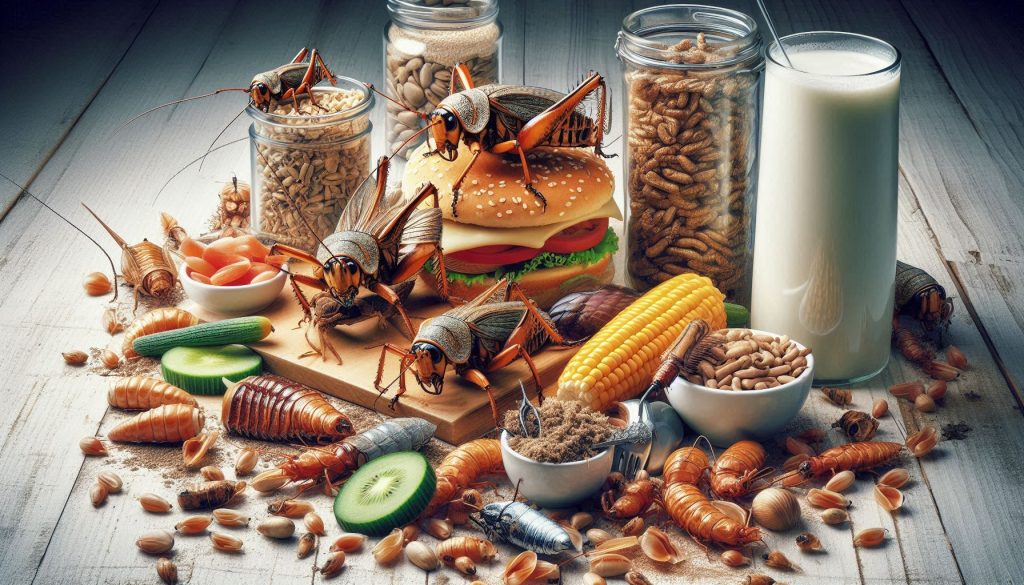
Fresh Fruits & Veggies: Daily Prep Work and Seasonal Availability
Making fresh fruits and veggies for exotic pets converted a daily procedural that mandatory more planning and variety than feeding my own family, since many classes need exact ratios of calcium-rich greens, colorful vegetables, and restricted fruit delicacies that change based on age and health status. My iguana’s diet required 80% dark green greens like collard greens, mustard greens, and dandelion greens, mixed with squeeze, bell showers, and other veggies, while fresh fruits like berries, melons, and figs could only include 10-15% of the total diet to avoid digestive issues and obesity. The biggest task with fresh fruits and veggies is their short ledge life and periodic availability –
I cultured to shop twice weekly for optimal cleanliness, prep portions in advance, and have stoppage plans when my pet’s chosen veggies weren’t obtainable, since sudden diet variations can cause stress and digestive difficulties. Veggies like squash, sweet potato, and carrots wanted to be chopped into suitable sizes for different species, while fresh fruits essential careful washing, seed exclusion, and distributing since many pits are toxic to exotic pets, creation daily food prep a 20-30 minute procedure that complicated multiple cutting boards, storage ampules, and careful attention to which fruits and veggies were harmless for each exact species.
Commercial Pellets & Supplements: The Foundation and Enhancement Strategy
Choosing the right commercial pellets became a research-intensive procedure that compulsory reading constituent lists, sympathetic species-specific dietary necessities, and often switching varieties when my pets showed partialities or digestive problems with certain constructions. My chinchilla flourished on timothy hay-based pellets with 16-20% protein and minimal added sugars, while my parrot wanted commercial pellets encouraged with vitamins A, D3, and E that included 70-80% of his diet, complemented with supplements like calcium triturate and omega-3 fatty acids sprinkled on fresh foods twice paper.
The task with supplements is eluding over-supplementation, which can be just as detrimental as absences – I cultured to rotate calcium with D3 and plain calcium powder built on UVB lighting obtainability, use vitamin supplements only 2-3 times per week, and monitor for signs of deadliness like lethargy or gastric distressed. Commercial pellets quality varies dramatically between brands, with some containing fillers, artificial colors, and excessive seeds that can cause obesity and malnutrition, so I invested in premium brands that cost $20-40 per bag but lasted longer because my pets needed smaller portions of nutrient-dense pellets, plus I had to store them in airtight containers to prevent spoilage and pest infestations that could contaminate both pellets and supplements.
Health and Veterinary Care
Weight Loss: Hidden Warning Signs and Emergency Protocols
Distinguishing weight loss in exotic pets converted one of my most vital services since many class hide illness impulsively, and by the time observable indications appear, the complaint has often proceeded to dangerous levels difficult direct veterinary intrusion. My sugar glider’s weight loss of just 10 grams over two weeks originally appeared minor, but for a 100-gram animal, this signified a 10% body weight reduction that specified serious fundamental health problems like parasites, dental difficulties, or metabolic complaints that essential particular exotic veterinary care estimate $200-500 per visit. Weight loss in reptiles like unshaven dragons often accords with brumation periods, creation it interesting to distinguish between natural periodic changes and pathological circumstances,
so I erudite to maintain thorough weight logs using numerical scales accurate to 0.1 grams and monitor for accompanying indications like lethargy, changes in craving, or altered bathroom traditions. The most frustrating aspect of weight loss in exotic pets is that many veterinarians lack experience with species-specific ordinary weight ranges and periodic variations, forcing me to travel 2-3 hours to find experienced exotic vets who comprehend that a 5% weight loss in a hedgehog power be normal through winter months, while the same proportion in a bird could indicate dangerous illness needful immediate indicative testing and treatment.
Lethargy: Recognizing Energy Changes and Environmental Triggers
Recognizing lethargy in exotic pets needs understanding each classes’ normal movement patterns and liveliness levels, since what seems sluggish in a classically active parrot strength be normal performance for a naturally quiet tortoise. My cockatiel’s sudden lethargy – sitting ruined up at the bottom of his cage in its place of his usual perch-hopping and expressing – became my first emergency vet visit when I comprehended that birds often fleece illness pending they’re disapprovingly sick, and lethargy collective with decreased craving or changes in droppings can indicate serious circumstances like infections, organ failure, or toxin experience. Lethargy in reptiles presents single challenges because their energy levels logically fluctuate with temperature, lighting cycles, and recurrent changes –
my whiskery dragon’s winter lethargy originally apprehensive me until I cultured about brumation, but unique between normal seasonal go-slow and illness-related lethargy needs nursing eating habits, reclining conduct, and reply to handling over numerous days. The most regarding aspect of lethargy in exotic pets is how hurriedly it can progress from delicate changes to dangerous emergencies, particularly in small mammals like hedgehogs or darling gliders where lethargy might specify temperature anxiety, dehydration, or metabolic disorders that require immediate veterinary attention, often involving exclusive diagnostic tests and dedicated treatments that many even vets cannot deliver.
Skin/Feather Issues: External Signs of Internal Problems
Watching skin and feather conditions became my everyday repetitive since these outside issues often reflect fundamental health problems, conservational stress, or nutritional shortages that require direct attention and sometimes inflated veterinary involvement. My parrot’s feather tugging started as infrequent training but strengthened to bare patches on his chest, main me to determine that feather issues can stem from monotony, poor diet, dry air, or medical situations like liver sickness, requiring both conservational enrichment variations and exclusive blood work to rule out general problems. Skin problems in reptiles like my whiskery dragon established as stuck shed, dry covers, and occasional mites that compulsory humidity alterations, dedicated flaking aids,
and sometimes treatment medications, while skin issues in small creatures like hedgehogs often designate mites, fungal infections, or stress-related circumstances that can range quickly if not treated promptly. The most stimulating aspect of skin and feather issues is decisive whether they’re behavioral, conservational, or medical in derivation – my cockatiel’s feather barbering required removing potential toxins from domestic cleaners, regulating his lighting timetable, increasing clamminess levels, and if more foraging chances, while skin irritation in my sugar glider turned out to be an sensitive reaction to a new bedding substantial that cleared up only after substituting back to paper-based substrates.
Handling and Socialization
Reptiles: Temperature-Dependent Trust Building and Species-Specific Approaches
Learning proper handling techniques for reptiles taught me that successful socialization depends heavily on understanding each species’ natural behaviors, temperature needs, and stress responses that differ dramatically from warm-blooded pets. My bearded dragon required gradual handling sessions starting with 5-10 minutes after his morning basking period when his body temperature was optimal, slowly building trust through consistent, calm movements and allowing him to walk from hand to hand rather than restraining him, while my ball python needed completely different socialization – supporting his body weight fully, moving slowly to avoid triggering defensive responses, and limiting handling sessions to 15-20 minutes to prevent stress.
Reptiles like leopard geckos can become quite social with proper handling that starts with allowing them to walk onto your hand voluntarily rather than grabbing them, and I learned that socialization success depends on reading body language cues like tail position, color changes, and defensive postures that indicate when to end sessions. The biggest challenge with reptile handling is that their tolerance varies with temperature, season, feeding schedules, and individual personality – my iguana became more receptive to socialization during warmer months and after establishing consistent daily routines, but required patience and respect for his natural instincts since reptiles never become as domesticated as mammals and always retain wild behaviors that must be respected during handling sessions.
Birds: Trust-Based Relationships and Flock Integration
Founding proper handling procedures with birds revealed that effective socialization wants sympathetic their flock attitude and earning their trust through dependable daily exchanges rather than compelling physical contact earlier they’re prepared. My cockatiel’s socialization procedure took months of inactive near his cage, chatting softly, offering treats finished the bars, and permitting him to approach me voluntarily before struggling any handling, since birds are quarry animals that impulsively fear new circumstances and large activities that could signal danger. Birds like conures and cockatiels can become particularly social once correctly bonded,
but their handling requirements to respect their natural performances – secondary their feet when they step up, ducking grabbing or restrictive them, and distinguishing that biting often signals fear or overstimulation rather than violence, requiring immediate backing off and review of the socialization method. The most important aspect of bird handling is sympathetic that they view you as part of their flock, which means they’ll test limits, show jealousy toward other family members, and necessitate consistent rules and routines to avoid behavioral difficulties like blaring, biting, or feather pulling that can develop when socialization lacks construction or when handling meetings become unpredictable due to busy schedules or family alterations.
Small Mammals: Bonding Pouches and Nocturnal Social Schedules
Employed with small mammals trained me that handling and socialization success be contingent heavily on regarding their natural sleep cycles and using species-specific attachment methods that accommodate their size and nature differences. My sugar gliders compulsory attachment pouches worn close to my body for some hours daily, agreeing them to get familiar to my scent while feeling secure in a dark, bounded space, while my hedgehog wanted gentle handling assemblies during his dynamic evening hours when he was obviously more accessible to human communication rather than through daytime when he preferred sleeping.
Small mammals like chinchillas have enormously delicate bone assemblies that type proper handling methods crucial – subsidiary their hindquarters, never clutching their tails, and agreeing them to jump between your hands rather than preventive them, since their socialization expansion depends on structure trust through expectable, gentle networks that respect their usual caution. The biggest trial with small mammals socialization is that their nighttime nature resources peak bonding time befalls when most people are twisting down for bed, demanding lifestyle alterations to lodge evening play sessions, midnight feeding communications, and late-night handling practice that progressively builds the trust essential for small mammals to become contented with human contact and household sequences.
Enrichment and Mental Stimulation
Puzzle Feeders: Interactive Meal Solutions and Problem-Solving Challenges
Announcing puzzle feeders distorted my pets’ eating habits from quick ingesting to extended foraging meetings that provided critical mental stimulation and forbidden boredom-related communicating problems. My parrot’s hunting wheel essential him to operate different sections and sliding panels to admission his pellets and understandings, turning a 5-minute lunchtime into a 30-45 minute problem-solving movement that kept him involved and condensed his blaring and feather pulling behaviors meaningfully.
Puzzle feeders work differently for various species – my whiskery dragon’s treat-dispensing ball fortified natural hunting activities as he pushed it around his inclusion to release crickets, while my hedgehog’s snuffle mat necessary him to use his natural digging natures to find hidden mealworms between fabric strips, providing both mental stimulation and physical exercise. The key to effective puzzle feeder use is revolving different types weekly to avoid boredom and altering difficulty levels constructed on your pet’s problem-solving aptitudes – starting with simple treat-dispensing toys and progressively presenting more complex multi-step puzzle feeders that need operation, memory, and perseverance to access food recompenses, making mealtime an enrichment movement that fulfills natural foraging instincts while providing vital mental stimulation.

Climbing Structures: Vertical Territory and Exercise Opportunities
Fitting proper climbing structures reformed my pets’ activity levels and providing vital mental stimulation by creating solid environments that fortified natural performances and physical exercise through their inclusions. My sugar gliders’ cage alteration comprised rope ties, wooden stages at different heights, and material pouches adjourned at various levels, permitting them to repetition their natural gliding and climbing aptitudes while if mental stimulation through route organization and regional exploration that prohibited cage hostility and self-destructive performances. Climbing structures essential to be species-appropriate and safe – my bearded dragon’s lying branches required sturdy wood that could maintenance his weight, situated at proper distances from heat causes,
while my cockatiel’s playground featured natural timber branches of varying diameters, rope swings, and ladders that providing foot exercise and enrichment through changed textures and heights. The most actual climbing structures combine physical exercise with mental stimulation by generating multiple pathways and choice points – my chinchilla’s multi-level ledge system with hidey-holes at different advancements encouraged survey and decision-making, while hanging toys and treat distributers involved to various climbing structures created problem-solving occasions that kept him mentally involved for hours, altering his enclosure from a simple cage into an communicating playground that reinforced both physical health and emotional well-being.
Toys & Foraging: Interactive Play and Natural Hunting Behaviors
Choosing suitable toys and foraging opportunities became a monthly modest item costing $50-100 as I exposed that effective enrichment requires continuous rotation and species-specific actions that hearten natural behaviors and deliver important mental stimulation. My parrot’s foraging setup comprised paper cups occupied with shredded paper hiding luxuries, cardboard boxes with multiple sections, and puzzle toys that essential manipulation to access plunders, converting his daily routine from inactive eating to active problem-solving that abridged screaming and critical behaviors knowingly. Toys need to competition each species’ usual instincts –
my hedgehog’s foraging mat with secreted mealworms gratified his digging performances, while my chinchilla’s wooden chew toys and droopy bells providing both mental stimulation and essential dental wear, needful replacement every 2-3 weeks as he thoroughly damaged them. The most successful enrichment programs combine foraging activities with interactive toys that change regularly – I rotate my sugar gliders’ toys weekly between rope swings, treat balls, and fabric strips for nest building, while creating new foraging challenges by hiding food in different locations and containers, ensuring they spend 2-3 hours daily engaged in natural hunting and exploration behaviors that provide crucial mental stimulation and prevent cage-related stress disorders.
Frequently Asked Questions (FAQ):
Q1: What is the calmest exotic pet to care for?
A: Solitary crabs and leopard geckos are often careful beginner-friendly exotic pets unpaid to their simple diet and wieldy housing requirements.
Q2: Are exotic pets permissible universally?
A: No, laws vary by nation, state, and smooth city. Continually check local guidelines before bringing home any exotic animal.
Q3: Do exotic pets necessity unusual veterinary care?
A: Yes! Exotic pets often want vets who specify in non-traditional animals, which may cost more and be tougher to discovery.
Q4: How expensive is it to own an exotic pet?
A: Costs vary by species. Some may seem cheap at first but have high ongoing expenses for food, habitat, and medical care.
Q5: Can exotic pets be friendly and social?
A: Some can, like parrots and sugar gliders, but most require regular interaction, proper handling, and trust-building over time.
Conclusion: Choose Wisely, Love Deeply
Taking home an exotic pet is thrilling—but it’s also a big obligation. From their lifespan and diet to housing and permissible needs, exotic pets need considerate planning. The more you know, the improved you’ll be able to provide your new friend a safe, healthy, and happy life. Whether you’re a first-time proprietor or just curious, attractive the time to choose the correct exotic pet is the first step toward an remarkable journey.