
Introduction: Peace Lily Care Tips
Peace lilies are dominant indoor plants acknowledged for their stylish white flowers and air-purifying requirements. In this guide, you’ll acquire vital peace lily care tips—from suitable watering and lighting to resolving common difficulties like yellow leaves and floppy. Whether you’re a learner or plant fanatic, this blog will help your peace lily thrive inside.
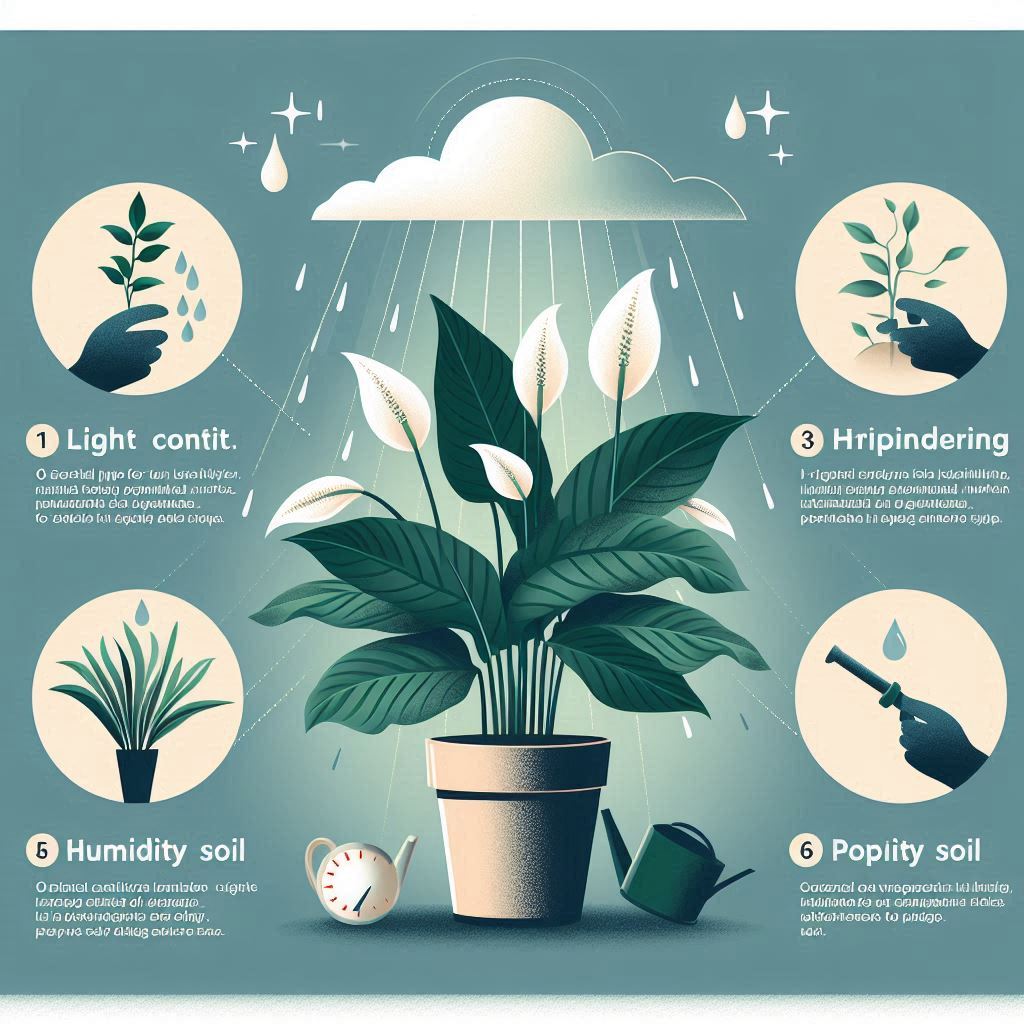
Peace Lily Care Guide
Mastering Hydration and Illumination Balance
How often to water peace lily be contingent on conservationalhttps://www.patchplants.com/pages/plant-care/complete-guide-to-peace-lily-care/ factors like temperature, moisture, and pot size, but usually these plants need water every 5-7 days once the top inch of soil sensations dry, though their affected wilting serves as a infallible indicator that watering time has reached. Finished my indoor plant knowledge, sympathetic peace lily light requirements includes knowing that these tropical citizens prefer the dappled sunlight they would receive under rainforest covers, making lively, sifted light their ideal growing complaint.
The common question does peace lily need sunlight has a nuanced answer – while they need light for photosynthesis and blooming, direct sunshine will scorch their plants and cause chocolate, crispy edges that enduringly damage the foliage. Peace lily sunlight needs are best met through assignment near windows with sheer hangings or in rooms with sufficiently of ambient light but no straight sun rays striking the plant directly.
When seeing how much light do peace lilies need, aim for bright, indirect light comparable to what you’d find in a well-lit office or near a north-facing window where the plant accepts consistent brightness without harsh rays. The acute distinction of peace lily direct sun vs. indirect light becomes clear when you detect that direct sunlight causes direct leaf stress, wilting, and blanching, while proper indirect light indorses healthy green shrubbery and regular blooming cycles.
I’ve originate that peace lilies located in bathrooms or kitchens with good normal light often thrive outstanding to the higher dampness levels, and their watering requirements decrease marginally in lower light situations since they use less water for photosynthesis.
Encouraging Beautiful White Blooms
Why isn’t my peace lily blooming classically stems from deficient light exposure, as these plants need bright, indirect sunshine to trigger their blossoming cycle, however many indoor gardeners innocently place them in too-dim locations that provision foliage growth but avoid bloom increase. From my experience increasing these magnificent plants, how to make peace lily bloom includes if reliable care with adequate light (at least 6 hours of bright, filtered light daily), regular serving with balanced liquid nourishment during growing season, and maintaining proper humidity levels that mimic their humid origins.
Peace lily flower care needs considerate that the elegant white “flowers” are really altered leaves called spathes that edge the true flower spike, and these blooms classically last 4-6 weeks before steadily turning green and needful amputation to reassure new flowering.The characteristic peace lily bloom time occurs logically in spring and summer when bright levels increase and temperatures kind, though healthy indoor plants can blossom manifold times through the year when their conservational needs are reliably met.
When dealing with peace lily not flowering, the most mutual culprits comprise insufficient light (the primary cause), unreliable watering that strains the plant, absence of nutrients from occasional fertilizing, or the plant being too young later peace lilies classically essential to be at least one year old and unshakable before creating their first blooms.
I’ve exposed that moving a non-blooming peace lily to a happier location, founding a regular feeding agenda with thinned fertilizer every 2-3 weeks throughout rising season, and ensuring the plant is somewhat pot-bound (which encourages blooming) typically triggers flower manufacture within 6-8 weeks of better care.
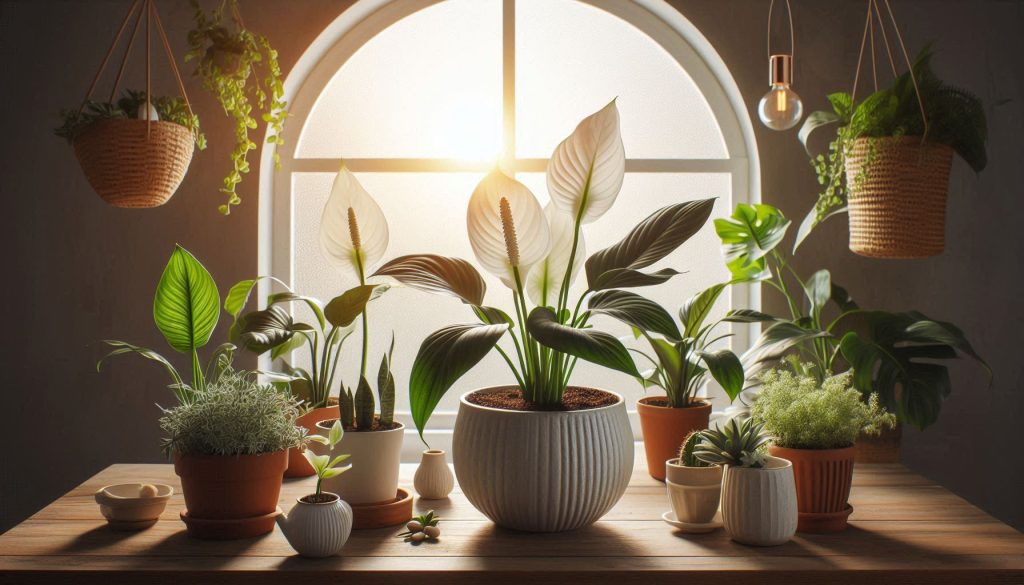
Diagnosing and Fixing Your Struggling Plant
When your peace lily drooping converts a daily anxiety, you’re likely production with watering issues – whichever too greatly or too little. I’ve observed that peace lily yellow leaves classically signal soaking, where roots sit in squelchy soil and activate to rot. The plant’s leaves opportunity yellow from the bottom up, initial with older vegetation first. Peace lily brown tips, on the other hand, usually specify low humidity or fluoride in tap water.
These crunchy edges mature when the air around your plant is too dry, particularly during winter months when heating organizations run continually. Peace lily leaf scorch establishes as brown patches crosswise leaf exteriors, classically caused by direct sunshine exposure – these plants logically grow under forest coverings and brawl with intense light. Reviving a dying peace lily requires organizing the root source first: checked soil moisture with your boundary, examine roots for black overemotional sections characteristic rot, and assess the plant’s location for suitable lighting circumstances.
Move soaked plants to brighter spots with better-quality air undertaking, trim injured foliage with clean clippers, and repot in fresh, well-draining soil if derivation rot is remaining. For underwatered examples, slowly growth water incidence while conserving reliable soil moisture without waterlogging.
Mastering the Finer Points of Plant Care
Pruning peace lily becomes essential when you notice spent blooms and yellowing leaves, which I’ve learned should be cut at the base using clean, sharp scissors to prevent disease spread and encourage new growth. Propagating peace lily works best throughout spring transferring when you can cautiously divide the root ball into segments, guaranteeing each division has healthy roots and at smallest two leaves – I’ve effectively created several plants this way by gently separating crowded clumps with my hands rather than cutting tools.
Repotting peace lily must happen every 2-3 years or when roots round the pot’s bottom, by a vessel only one size larger with drainage holes and fresh shooting mix that’s well-draining yet moisture-retentive. Fertilizing peace lily needs a balanced attitude during mounting season (spring through early fall), smearing diluted liquid nourishment monthly at to half-strength avoid scorching the complex roots. The best fertilizer for peace lily is a well-adjusted 20-20-20 or 10-10-10 formula, though I’ve create organic options like fish suspension work delightfully when diluted correctly – circumvent fertilizing during winter months when growing logically slows, and always water methodically before and after nourishing to prevent root injury from concerted nutrients.
Popular Peace Lily Cultivars and Their Unique Characteristics
Discovering the Diversity Within the Species
Spathiphyllum wallisii aids as the foundation species for most cultivated varieties, typically reaching 12-16 inches in height with classic dark green foliage and elegant white peace lily blooms that emerge on sturdy stems above the leaf canopy. The giant peace lily diversities like ‘Sensation’ can keep up to 4-6 feet tall, creation theatrical statement pieces in turnings or large spaces – I’ve grown these wonderful specimens that produce spathe flowers closely double the size of normal varieties. Variegated peace lily cultivars such as ‘Domino‘ showcase striking cream and green striped leaves that add pictorial interest even when not flowering, however they need slightly brighter light to preserve their characteristic patterns.
Pink peace lily varieties like ‘Pink Mojo’ display exclusive coral-pink spathes instead of outdated white, making an surprising twist on the classic arrival – these newer hybrids have become progressively popular among gatherers seeking something dissimilar. Each variety preserves the same basic care necessities but offers different size and color physiognomies: compact wallisii faultless for tabletops, giants ideal for floor assignment, variegated types for attractive contrast, and pink diversities for those wanting alternative blooms, all sharing the same air-purifying makings and broadmindedness for lower light circumstances that make peace lilies cherished plants.
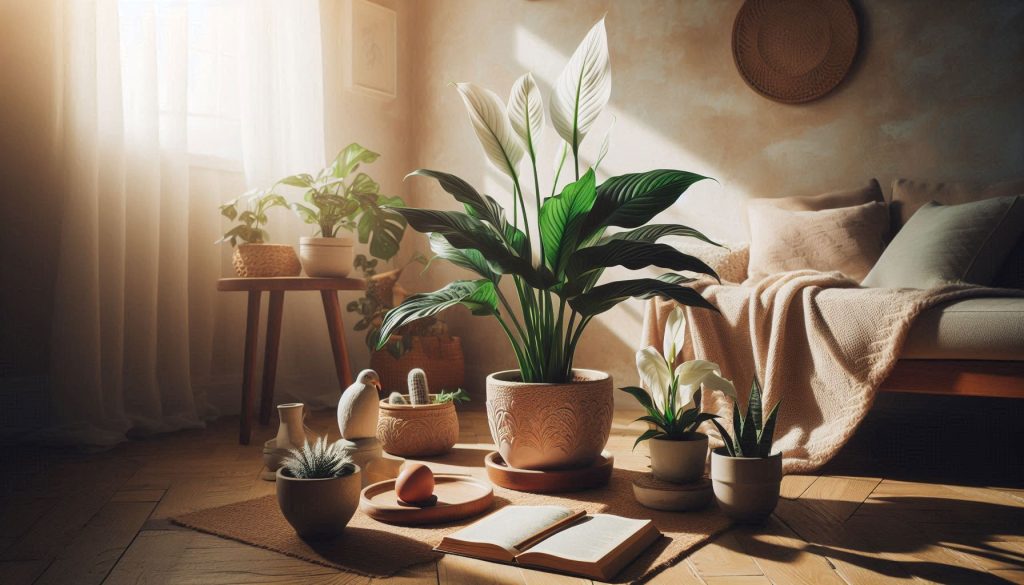
Understanding Their Cultural and Environmental Impact
The benefits of peace lily plants range far beyond their stylish arrival, with NASA’s Clean Air Study checking these remarkable plants as top air-purifying peace lily samplings that aggressively eliminate formaldehyde, benzene, and trichloroethylene from indoor environments – I’ve for myself noticed better air quality and better sleep when possession several peace lilies in dormitories and living places. Peace lily meaning carries deep spiritual and cultural implication across many civilizations, signifying rebirth, purity, and peacefulness, which explains why they’re regularly chosen for memorial facilities, new home consecrations, and spaces devoted to meditation or reproduction.
The white spathe flowers signify peace and harmony, creation them expressive gifts for those feeling difficult times or major life evolutions, while their capability to bloom in low-light circumstances signifies hope successful even in challenging conditions. Outside their representative value, these plants offer everyday wellness benefits by growing humidity levels logically through transpiration, reducing stress complete their calming green occurrence, and requiring trifling maintenance that creates plant care available to beginners – making a perfect amalgamation of beauty, denotation, and health backings that explains their continuing popularity as both attractive and therapeutic houseplants in homes, workplaces, and healing situations international.
Making Informed Purchasing Decisions
Where to buy peace lily plants diverges from local plant sales outlet and garden middles to big-box stores like Home Depot and Lowe’s, however I’ve create the healthiest samplings classically come from dedicated plant shops or upright online retailers who bundle plants cautiously for shipping. Peace lily plant price ranges intensely from $8-15 for small 4-inch pots at grocery stores to $30-60 for mature specimens in 8-10 inch vessels, with rare diversities like variegated or pink cultivars commanding quality prices of $40-80 depending on size and rarity.
The best peace lily for indoors be contingent on your space restraints and knowledge level: compact varieties like ‘Petite’ or standard Spathiphyllum wallisii work effortlessly for beginners in bedsits or small rooms, while ‘Sensation‘ giants suit knowledgeable growers with high maximums and ample floor space. When shopping, inspect plants sensibly for yellowing leaves, brown tips, or signs of pests, and select specimens with several healthy crowns that specify mature root organizations – avoid plants sitting in soaking soil or those with wilted foliage, as these often skirmish to establish in new situations regardless of the beautiful price point or convenient shopping position.
Managing Common Peace Lily Pest and Disease Issues
Identifying and Treating Unwanted Plant Visitors
Scale insects on peace lily seem as small, brown or white uncomfortable developments on stems and leaf bottoms that suck plant juices, producing yellowing and debilitated growth – I’ve positively detached these persevering pests by wiping them with impression alcohol on cotton swabs, then resulting up with weekly neem oil treatments to avoid reinfestation. Fungus gnats in peace lily thrive in reliably moist shooting soil, with tiny black flies rapid around the plant and their larvae nursing on living matter in the soil, which can injury tender roots if inhabitants explode – the most actual treatment I’ve found includes allowing the top inch of soil to dry totally between waterings,
placing yellow gummy traps near the plant, and smearing helpful nematodes to the soil to regulator larvae obviously. Thrips damage manifests as silver streaks, speckling, or bronze-colored patches on greeneries where these microscopic creatures have shabby away plant material to feed, often escorted by tiny black specks of thrips manure on leaf exteriors. Early discovery proves critical for all these difficulties: regular examination of leaf foundations and stems, isolating new plants for some weeks, preserving proper air movement, and ducking drowning create an situation less favorable to pest creation while keeping your peace lily strong enough to resist minor invasions logically.
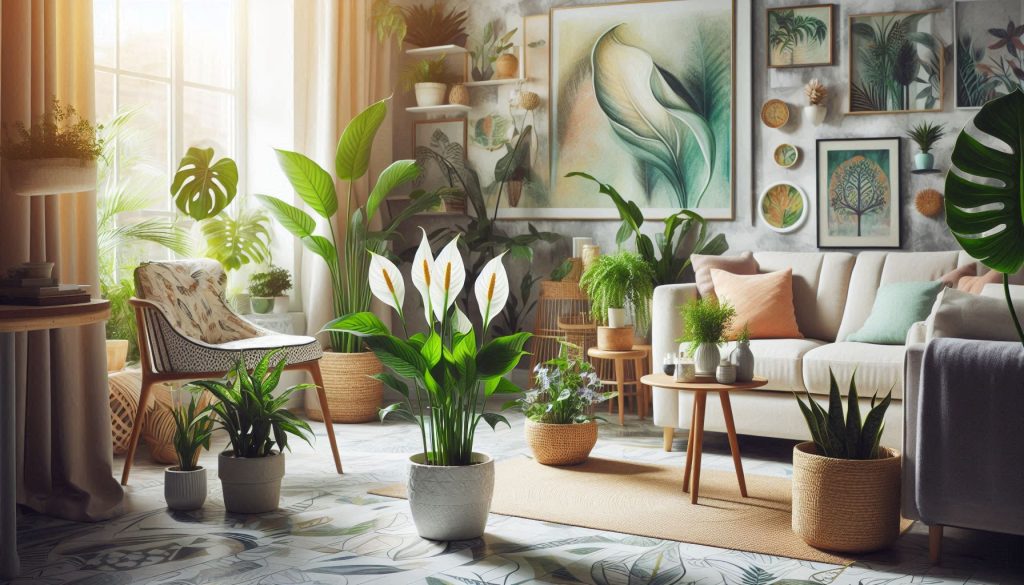
Recognizing When Growing Conditions Go Wrong
Peace lily temperature tolerance choices from 65-80°F (18-27°C), with plants presentation direct stress when uncovered to temperatures below 60°F or above 85°F – I’ve educated that impulsive temperature vacillations from air taming vents, heating registers, or drafty spaces reason more injury than gradual variations, often resulting in floppy leaves and undersized development within hours. Low humidity effects become chiefly problematic through winter months when indoor moisture drops below 40%, producing tanned leaf tips, abridged flowering, and complete plant decline – placing plants on nugget trays filled with water,
alliance multiple plants organized, or using a humidifier keeps the 50-60% humidity these steamy natives prefer. Overwatering vs. underwatering presents the most mutual diagnostic task: overwatered plants develop yellow leaves initial from the bottom, musty-smelling soil, and dark roots, while underwatered varieties show uniform floppy, dry potting mix, and leaves that perk up directly after watering. The key alteration lies in soil moisture and retrieval time – overwatered plants endure soggy even after floppy begins and take days to show enhancement, whereas underwatered plants jump back within hours of proper hydration, creation finger-testing the soil your most consistent analytical tool for individual between these two conflicting but equally destructive watering faults.
Choosing Between Low-Maintenance Plant Options
Peace lily vs. snake plant exposes distinct care changes: while snake plants accept complete desertion and drought circumstances for weeks, peace lilies need reliable humidity and wilt theatrically when thirsty, however they recompense attending care with stylish white buds that snake plants not ever harvest. Peace lily vs. ZZ plant shows comparable differences in watering needs – ZZ plants stock water in bushy stems and can endure months deprived of irrigation, creation them seamless for recurrent travelers, whereas peace lilies request weekly attention and higher humidity but offer greater air sanitization and blossoming exhibitions that ZZ plants lack completely.
Peace lily vs. spider plant presents stimulating trade-offs: spider plants spread naturally through saplings and stand various light circumstances from bright to reasonable, while peace lilies desire stable low-light situations and spread only through root separation but harvest more affected foliage and spectacular blooms. From my knowledge growing all these diversities, peace lilies need the most consistent care repetitive with regular watering, stickiness nursing, and defense from temperature excesses, but they provide supreme elegance complete their glossy leaves and primeval flowers – making them ideal for devoted plant parents who enjoy daily communication with their plants slightly than those seeking totally hands-off samplings.
Creating Harmonious Indoor Plant Communities
Best plants to pair with peace lily contain those with comparable moisture and illumination partialities, such as Boston ferns, Chinese evergreens, and prayer vegetation that succeed in the same humid, low-light circumstances while making beautiful textural distinctions with their varied vegetation patterns. Low-light plant alternatives that accompaniment peace lilies flawlessly comprise cast iron plants with their dark, sword-like leaves, ZZ plants for architectural structure, and philodendrons that cascade stylishly from shelves or droopy carriers – I’ve fashioned spectacular indoor gardens by alliance these plants composed since they all abide the same dim angles and north-facing windows where concord lilies flourish.
The key to effective companion planting lies in identical watering schedules and moisture wants: pothos vines, monstera deliciosa, and dracaena diversities all escalate the same reliable moisture levels and advantage from the augmented humidity fashioned when multiple steamy plants emerge together in close closeness. These plant mixtures not only share care wants but also make visual attention through conflicting leaf shapes, sizes, and growing habits – the broad, glossy greeneries of peace lilies deliver an elegant backdrop for the subtle fronds of maidenhair ferns, sprawling stems of heartleaf philodendrons, or upright construction of snake plants, resultant in dynamic indoor sceneries that are both practical and visually pleasing.
Adjusting Peace Lily Care During Cold Months
Adapting Your Plant Routine for Winter Success
Reducing watering in winter develops critical as peace lilies enter their normal inactive period, needful water only when the top crawl of soil feels dry slightly than upholding the reliable moisture they desire throughout rising season – I’ve learned that drenching during cold months causes more injury than slight drought anxiety since slower growth means abridged water uptake. Peace lily in cold weather faces several challenges counting lower indoor stickiness from heating systems, reduced sunshine hours that slow photosynthesis, and possible temperature variations near windows or boiler vents that can shock these steamy plants familiarized to stable circumstances.
Throughout winter months, move plants away from cold drafts and heating foundations while growing humidity through stone trays, group plants together, or using a humidifier to fight dry indoor air that reasons brown leaf tips and complete stress. The amalgamation of reduced watering occurrence, protection from infection extremes, and improved humidity creates ideal winter circumstances – typically watering every 10-14 days instead of weekly, preserving temperatures between 65-75°F, and tolerant that minimal development or occasional leaf drop is normal during this rest period when plants conserve energy for spring retrieval and shouldn’t accept fertilizer until day hours growth again.
Mastering Plant Division and Soil Selection
When to repot peace lilies depends on root growth rather than calendar dates – I’ve found that checking for roots circling the drainage holes or growing above soil level indicates it’s time for a larger container, typically every 2-3 years for mature plants or annually for young, rapidly growing specimens. Dividing peace lily plants works greatest throughout spring transferring when you can sensibly separate jam-packed root clumps into separate sections, confirming each division has strong roots and at least 2-3 leaves – the procedure involves moderately teasing apart consistent roots with your fingers or clean knife, making multiple plants from one overloaded parent.
Best soil for peace lily needs excellent drainage while retentive steady moisture, so I mix average potting soil with perlite and peat moss or use a excellent African violet mix that offers the somewhat acidic, well-draining circumstances these plants desire. Spring timing shows vital for both repotting and division since radiator temperatures and cumulative daylight hours help plants recover rapidly from root trouble, while choosing ampules only one size larger avoids soil from remaining soggy around newly removed roots.
The arrangement of proper timing, gentle separation techniques, and suitable soil mixture ensures effective propagation – newly alienated plants should be kept in lively, indirect light with somewhat higher humidity for some weeks while they create new root systems in their fresh increasing medium.
Kitchen Waste as Plant Nutrition
Banana peel fertilizer provides excellent potassium for peace lily health by steeping chopped peels in water for 48 hours, then straining the nutrient-rich liquid to create a mild organic feed that promotes strong root development and flowering – I’ve used this method monthly during growing season with great results. Eggshells for peace lilies offer slow-release calcium when crushed into small pieces and mixed into potting soil during repotting, helping prevent leaf tip burn and supporting overall plant structure,
though they should be thoroughly washed and dried before crushing to avoid attracting pests. Homemade plant food for peace lily can be created by combining these kitchen scraps with coffee grounds (used sparingly for slight acidity), compost tea made from steeping finished compost in water,
or diluted liquid from cooking vegetables without salt – all providing gentle nutrition without the risk of chemical burn that synthetic fertilizers can cause. The key to success with organic feeding lies in dilution and frequency: these natural fertilizers should be used at half-strength compared to commercial products and applied only during active growing months from spring through early fall, allowing the soil to dry slightly between applications while watching for any signs of over-fertilization like excessive leaf growth at the expense of flowering or salt buildup on soil surface.
Creating Visual Impact with Peace Lily Design
Safe, Homemade Solutions for Common Plant Problems
DIY gnat traps can be generated using shallow dishes full with apple cider vinegar and a few drops of plate soap, which attracts mature fungus gnats and breaks surface pressure to trap them, or by insertion yellow tacky cards near the soil superficial where these annoying flies assemble – I’ve found that joining traps with proper watering performs eliminates most gnat difficulties within two weeks. Neem oil for peace lily pests works as both conduct and inhibition when mixed with water conferring to package directions and sprayed on leaf surfaces during evening hours to avoid leaf burn, effectively controlling spider mites, scale pests, and aphids while being safe for both plants and humans.
The request process requires detailed attention of leaf undersides where most pests hide, repeating treatments every 7-10 days until infestations clear, and continually testing on a small leaf segment first to ensure the plant tolerates the answer well. Natural pest control proves most actual when joint with conservational developments: allowing soil to dry between waterings decreases gnat breeding sites, growing air circulation discourages spider mites, and regular leaf washing with damp cloths confiscates pest eggs before they hatch – creating an integrated approach that prevents problems before they need intensive conduct while preserving a chemical-free rising situation.
Optimizing Location for Beauty and Plant Health
Peace lily in bathroom thrives exceptionally well due to natural humidity from showers and steam, making it an ideal location if your bathroom receives bright, indirect light from a window – I’ve successfully grown gorgeous specimens in bathrooms where the combination of moisture and filtered light creates perfect tropical conditions. Best room for peace lily be contingent on sunlit obtainability and foot traffic: breathing rooms with north-facing windows deliver excellent ambient light deprived of direct sun contact, while rooms offer peaceful situations where their air-purifying qualities recover sleep quality during the night.
Office peace lily care needs deliberation of artificial lighting, air acclimatizing, and weekend watering timetables – fluorescent or LED office lights can addition natural window light, but these plants essential safety from cold drafts and reliable moisture even when offices are unfilled during holidays. The key to effective placement involves corresponding the plant’s wants with room circumstances: bathrooms offer dampness but may lack satisfactory light, living rooms offer social interaction and good illumination but can have dry air from boiler systems, and offices source reliable temperatures but need weekend care preparation.
Each place presents exclusive advantages – bathroom humidity shrinks leaf browning, breathing room placement makes outstanding focal points, and office surroundings benefit from the plant’s established ability to eliminate indoor air pollutants while addition natural beauty to sterile workstations.
Elevating Your Space Through Thoughtful Plant Styling
Best pots for peace lily contain ceramic ampules with drainage holes in impersonal colors like white, black, or earth that complement the plant’s stylish green foliage without opposing for attention – I’ve create that selecting pots slightly wider than tall generates better magnitudes and avoids top-heavy plants from slanting over. Styling peace lily in modern decor works beautifully when you encirclement minimalist principles: place a particular large specimen in a smooth white planter as a declaration piece in modern living rooms, or group lesser plants in matching symmetrical containers to create clean, architectural shows that enhance slightly than clutter up-to-date spaces.
The difference between peace lily’s biological bends and modern furniture’s sharp approaches creates visual interest – their broad, sleek leaves deliver normal softness in contradiction of metal, glass, and real surfaces while their white flowers add subtle color without irresistible neutral color schemes. Deliberate elevation fluctuations through plant stands, fluctuating shelves, or floor assignment to create depth and undertaking: tall varieties work as floor plants alongside modern sofas, medium plants uniform console tables or plant stands, while compressed varieties add life to deferring units or desk spaces, continually guaranteeing the flask style matches your decor artistic whether it’s Scandinavian simplicity, manufacturing chic, or mid-century current complexity.
Frequently Asked Questions (FAQ):
1. How repeatedly must I water my peace lily?
Water your peace lily once the highest inch of soil feels dry, classically every 5–7 days. Circumvent drowning, as it can cause root rot and yellow greeneries.
2. Can peace lilies develop without sunshine?
Peace lilies need bright, ancillary light to thrive. While they can endure in low-light ranges, too little light may avoid blooming and lead to weak development.
3. Why are the guidelines of my peace lily leaves rotating brown?
Brown tips are typically caused by low humidity or substances in tap water. Use drinkable water and growth humidity through mist over or a humidity salver.
4. Stands the peace lily venomous to pets?
Yes, peace lilies are noxious to cats and dogs if swallowed. Keep them out of range of pets and consult a vet closely if your pet portions on the plant.
5. How do I make my peace lily coloration?
To inspire blooming, place your plant in happy, indirect light and provender it monthly with a balanced nourishment during the mounting season (spring and summer).
Conclusion:
Peace lilies are stylish, low-maintenance indoor plants that recompense you with attractive white blooms and air-purifying assistances when cared for appropriately. By if the right balance of light, water, humidity, and nutrients, you can save your peace lily fit and flourishing year-round. Whether you’re new to plants or an knowledgeable gardener, following these humble care tips will help your peace lily embellishment in any indoor planetary.