Introduction: Why Do Cats Drool?
Ever conjectured why your furry friend suddenly becomes a drool machine through cuddle time? You’re not alone. Cat drooling is one of the most misread feline conducts, departure many pet parents uncertain whether those pleased drips are adorable or shocking.
While cats drooling when happy is effortlesslyhttps://www.businessinsider.com/guides/pets/why-do-cats-drool normal—often triggered by droning, petting, or kneading—extreme drooling can signal severe health issues needful immediate attention. From blissful puddles during lap time to concerning symptoms like lethargy or bad breath, sympathetic when cat dribbling is inoffensive versus when it stresses a vet visit might save your cat’s life. In this inclusive guide,
we’ll interpret every aspect of graceful drooling: why some cats convert little springs during warmth, red flag symptoms that essential emergency care, and professional tips for management both normal and difficult drooling. Whether you’re industry with a perpetually drooly circuit cat or sudden changes in your pet’s salivation, you’ll determine all you need to keep your slinky friend fit and happy.
Normal vs. Abnormal Cat Drooling
When Happiness Makes Your Cat Drool
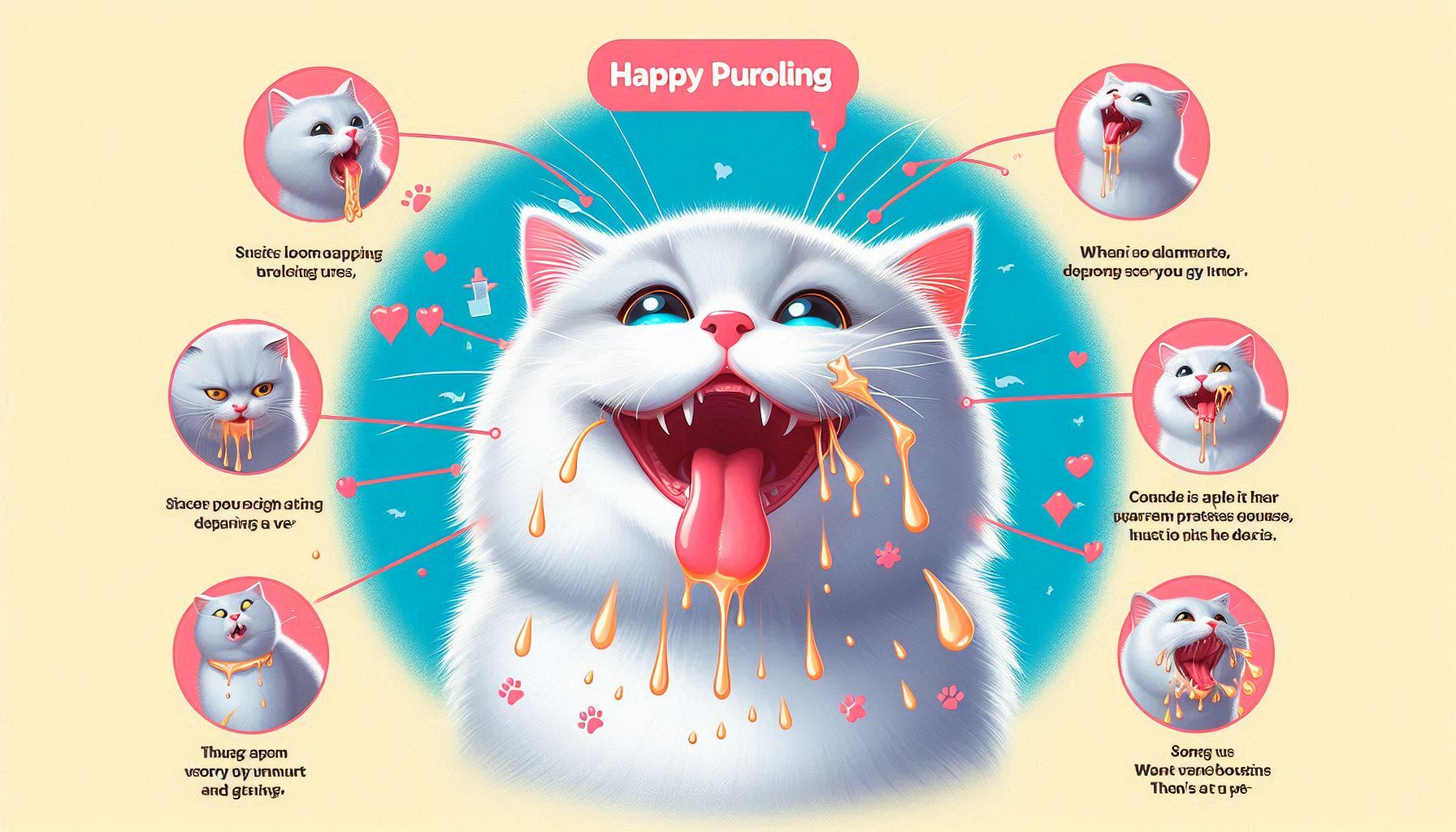
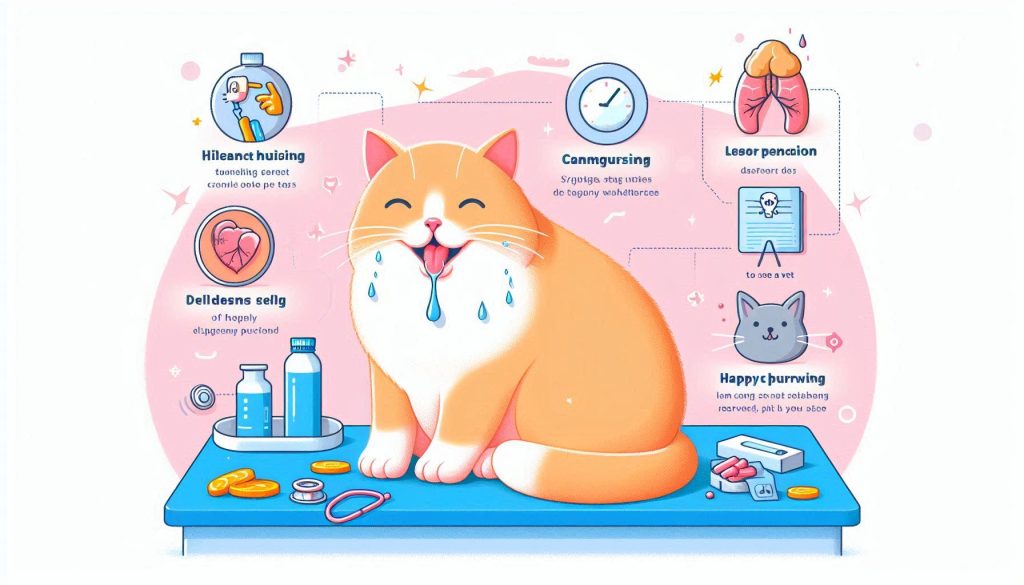
Why do cats drool when happy? It’s one of those attractive coincidences that catches many cat proprietors off sentinel the first time they spectator it. Through my years working with tabbies, I’ve experimental countless cats who convert into little drool machines the minute they settle into uncontaminated bliss. Do cats drool when they’re happy? Unconditionally, and it’s totally normal performance that stems from their kittenhood retentions of nursing.
When your feline friend becomes into that purring zone of satisfaction, their parasympathetic nervous system thrills into high gear, often producing extreme salivation. You’ll notice your cat drools when purring powerfully, especially through those deep, muffled purr conferences that look to vibrate their complete body. This drooling response is mainly common when cats drool when petted in their chosen spots – behind the ears, below the chin, or along their audacities. The connection between pleasure and salivation is so strong that many owners ask “why do cats drool when purring?” The answer lies in the nervous pathways that link serenity with the same reflexes they knowledgeable as nursing kittens.
Cat drools when petted situations often catch new cat parents by amazement, but it’s really a beautiful sign of trust and reduction. I’ve seen cats drooling when purring so forcefully that they generate little puddles on their owner’s lap – a messy but encouraging testament to their happiness. Why do cats drool when you pet them? The calm encouragement impersonators their mother’s training, triggering those deep-seated luxury answers. You might also detect cat drooling while kneading, as this performance combines multiple comfort triggers simultaneously. The rhythmic paw movements, combined with the soft superficial and your presence, make the perfect storm for cats drooling when happy – it’s their way of proverb they’ve originate their safe interplanetary with you.
Red Flags That Require Immediate Attention
Excessive drooling in cats converts worrisome when it shifts from infrequent happy drools to determined, regarding patterns that I’ve cultured to identify through years of slinky care. When your cat drooling suddenly starts deprived of any understandable trigger like stroking or satisfaction, it’s time to pay closer consideration to associated indications. Hypersalivation in cats often presents alongside other warning signs that create a concerning picture – I’ve seen cases where owners initially dismissed the drooling until they noticed their cat drooling and not eating, which indicates potential oral pain or systemic illness. The texture changes matter too; cat drooling thick saliva that appears ropy or unusually viscous suggests dehydration or oral infections that require veterinary evaluation.
What’s chiefly complicated is when you have a cat drooling excessively but acting normal in relationships of energy and appetite – this can cover serious fundamental circumstances like dental disease or early-stage poison experience. However, when drooling pairs with social changes, the urgency upsurges intensely: a cat drooling and lethargic mixture often signals more thoughtful health questions, while cat drooling and vomiting together can specify poisoning, kidney difficulties, or plain dental pain. One revealing sign I always advise proprietors to check is sniff excellence – cat drooling and bad breath often go hand-in-hand with innovative dental disease, oral tumors, or universal circumstances that create that inimitable sour or metallic odor that fit cat mouths basically don’t have.
Causes of Excessive Cat Drooling
Underlying Health Conditions That Trigger Drooling
Feline excessive salivation often trunks from complex medical circumstances that I’ve met throughout my veterinary knowledge, with ptyalism in cats serving as a clinical indication rather than a impartial analysis. Oral health issues (e.g., mouth ulcers, dental disease) represent the most common culprits I see in practice – infected teeth, gingivitis, and painful mouth sores create constant discomfort that triggers the salivary glands to work overtime as the body attempts to flush out bacteria and provide natural pain relief.
Nausea or digestive problems frequently manifest through excessive drooling because the vagus nerve connects the digestive system directly to salivary production, meaning an upset stomach or liver issue can cause your cat to drool profusely even when their mouth appears perfectly healthy. During illness, high fever and drooling often occur together as the body’s temperature regulation system affects multiple organs simultaneously – I’ve observed cats with infections or inflammatory conditions who drool excessively while their body fights to cool itself down.
The most serious concern, though rarely seen in indoor cats, involves rabies and drooling, where the virus specifically targets the nervous system and creates the classic symptom of uncontrollable salivation alongside behavioral changes; while this condition is extremely rare in vaccinated pets, it underscores why any sudden onset of excessive drooling, especially in cats with unknown vaccination history or recent outdoor exposure, requires immediate veterinary attention to rule out neurological causes.
Environmental Triggers and Behavioral Responses
Stress or anxiety makes fascinating physiological replies in cats that I’ve observed uncountable times, where the fight-or-flight reply actually stimulates extreme salivation as part of their body’s planning for potential extortions or devastating situations. Throughout my years of repetition, I’ve observed that cats facing heat or dehydration (panting and drooling) often exhibition both indications instantaneously because their cooling instruments become overcome – unlike dogs, cats infrequently pant unless they’re sincerely excited, so when you see open-mouth living collective with extreme drooling, it’s their body greatly trying to normalize temperature complete multiple pathways.
What fastenings many proprietors off guard is a reaction to medication, mainly bitter-tasting pills or fluid medicines that activate immediate hypersalivation; I’ve seen cats drool copiously for hours after getting convinced antibiotics or pain medications, not because of harmfulness but simply due to the unfriendly taste that their delicate palates can’t easily clear. Conservational stressors like affecting to a new home, presenting new pets, or even changes in monotonous can trigger stress or anxiety replies that obvious through dribbling, especially in sensitive cats who haven’t developed strong coping mechanisms.
The interconnection between these influences becomes mainly evident through summer months when heat or dehydration (panting and drooling) associations with stress or anxiety from intermittent routines, generating a seamless storm where cats may drool disproportionately while their owners struggle to identify whether the cause is physical discomfort, expressive misery, or both.
When Age Becomes a Factor
Senior cat drooling offerings unique tasks that I’ve experiential becoming progressively common as our feline friends live longer, recovered lives, with old cat drooling often emergent progressively as multiple developmental factors meet to create perfect circumstances for extreme salivation. Through my knowledge with geriatric cats, I’ve observed that senior cat drooling characteristically stems from a grouping of declining oral health, debilitated jaw muscles, and reduced training competence that allows saliva to amass rather than being obviously achieved through normal feline conduct.
What makes old cat drooling particularly regarding is that it often masks serious fundamental circumstances – kidney disease, hyperthyroidism, and oral cancers become more prevalent in senior years, all of which can trigger extreme salivation as secondary indications. The physiological variations in aging cats create a domino result where senior cat drooling becomes more obvious because their natural accepting reflexes slow down, their tongue control reduces, and their ability to position their head appropriately during rest decreases, important to visible drool that younger cats would classically manage automatically.
I’ve learned to method old cat drooling cases with sharp awareness because what looks to be simple age-related weakening often reveals treatable circumstances like dental pain, medicine side belongings, or early-stage systemic sicknesses that, when lectured punctually, can knowingly improve both the drooling indications and the cat’s overall excellence of life throughout their golden years.
Symptoms & Associated Behaviors
Observable Physical Manifestations
Cat dripping saliva represents the most obvious visual indicator I’ve learned to assess when evaluating feline health concerns, often progressing from subtle cat saliva coming out of mouth situations to more pronounced displays where owners notice persistent wetness around their pet’s chin and chest area. Finished my clinical knowledge, I’ve experimental that cat sticking tongue out and drooling concurrently creates a chiefly telling indication pattern – the protracted tongue often specifies oral distress, trouble swallowing, or breathing suffering that forces the cat to keep their mouth open for easier living.
When you notice cat panting and drooling stirring together, it’s crucial to know this combination as a important red flag since cats rarely pant except feeling genuine suffering from heat, pain, or anxiety, manufacture the dual performance particularly regarding. The progression from standard salivation to noticeable cat dripping saliva can happen progressively or rapidly, but I’ve create that proprietors who fastener the early periods of cat saliva coming out of mouth decorations often deliver their veterinarians with appreciated diagnostic material about onset timing and severity.
What demands immediate attention is any instance of cat lethargic and drooling because this pairing typically signals systemic illness, toxin exposure, or significant pain that’s affecting the cat’s overall energy levels – I’ve seen cases where the lethargy masked the severity of the underlying condition until the drooling became so pronounced that owners couldn’t ignore the cat sticking tongue out and drooling behavior that had been developing alongside their pet’s declining activity levels.
Understanding Drooling in Different Situations
Cat drools when kneading creates one of the most endearing yet telling behavioral patterns I’ve observed, where the rhythmic paw movements combined with purring often trigger such deep relaxation that saliva flows freely as cats relive their nursing memories through this comforting ritual. The timing and context of drooling episodes provide crucial diagnostic clues – cat drools while sleeping typically indicates either profound contentment or potential oral discomfort that becomes more noticeable when the cat’s natural swallowing reflexes slow down during rest periods.
Through my veterinary experience, I’ve learned that cat drools after medicine represents a completely different phenomenon, usually triggered by bitter medication tastes that stimulate excessive salivation as the cat’s body attempts to clear the unpleasant flavor from their mouth. What makes behavioral assessment so valuable is recognizing when cat drools when kneading shifts from occasional happy drooling to persistent patterns that might indicate oral pain masked by the comforting behavior. I’ve observed that healthy cats who cat drools while sleeping repeatedly do so in their most protected, contented positions – curled up in chosen spots or pushed against their landlords – signifying satisfaction rather than remedial apprehension.
Though, when cat drools after medicine remainders for protracted periods external the expectable taste-response timeframe, it can signal opposing reactions or fundamental oral sensitivity that needs attention, creation the behavioral setting just as significant as the corporeal symptom itself in decisive whether the drooling signifies normal feline behavior or a increasing fitness issue.
Diagnosis & Treatment
Critical Warning Signs That Require Emergency Action
Cat drooling before death signifies one of the greatest distressing patterns I’ve observed in veterinary repetition, where extreme salivation often signs the final periods of various incurable circumstances as the body’s organizations begin conclusion down and normal accepting reactions fail. When owners hysterically ask “why is my cat drooling excessively?” during emergency appointments, I’ve educated to assess the timing, sternness, and complementary indications wisely because sudden onset dribbling can indicate all from poisoning to progressive organ failure that needs immediate interference.
The specter of cat drooling rabies haunts several pet owners’ minds, though this shocking viral disease residues particularly rare in vaccinated indoor cats – though, any unvaccinated cat exhibiting aggressive conduct, trouble swallowing, and excessive salivation requires direct quarantine and professional estimation due to the public health consequences.
Cat drooling before death scenarios often progress when cats with chronic circumstances like kidney disease, liver disappointment, or cancer reach end-stage illness, where the drooling develops part of a gathering of symptoms counting labored breathing, loss of craving, and thoughtful lethargy that indications the body’s decreasing aptitude to maintain basic occupations. Considerate why is my cat drooling excessively? becomes critical for determining whether we’re commerce with a treatable acute situation or a sign that palliative care deliberations need to begin, as I’ve seen relatives scrap with these conclusions when drooling appears together with other failing indications.
While cat drooling rabies residues a rare but serious thought for any cat with unknown vaccination position and recent outdoor experience, the more common authenticity involves knowing when excessive dribbling indicates pain that may require difficult end-of-life judgments to prevent prolonged pain during those final instants.
Supportive Care and Home Management Strategies
Clear jelly-like discharge from cat mouth treatment stresses expert veterinary intervention as the primary method, but I’ve directed many cat owners through kind home care procedures that can deliver comfort while pending or following professional conduct for this regarding symptom. While incisive for home remedies for cat drooling characterizes a natural proprietor reply, my clinical experience emphasizes that the thick, mucoid consistency of clear jelly-like discharge from cat mouth treatment classically indicates bacterial contagions, foreign body annoyance, or inflammatory circumstances that require treatment medications rather than modest home involvements.
The most actual home remedies for cat drooling focus on helpful care: possession your cat’s face and chest clean with calm damp cloths, contribution fresh water regularly to prevent sunstroke, and providing soft, pleasant foods that don’t need extreme chewing if oral distress subsidizes to the drooling. When commerce with clear jelly-like discharge from cat mouth treatment scenarios, I mention monitoring the announcement color, stability, and odor changes while relating coziness methods like preserving a stress-free situation and guaranteeing your cat can rest in elevated circumstances that allow gravity to help with drainage.
Conservational modifications serve as appreciated home remedies for cat drooling by tumbling triggers – removing possible toxins, maintaining relaxed temperatures, and reducing stressful circumstances that might aggravate salivation. However, clear jelly-like discharge from cat mouth treatment needs understanding that home care accompaniments rather than replaces veterinary interference, as the underlying reasons often need antibiotic treatment, anti-inflammatory medications, or even surgical removal of foreign objects that no amount of helpful home care can sufficiently address without expert diagnosis and action preparation.
Professional Medical Intervention and Care
Cat drooling treatment needs complete veterinary calculation to recognize the root reason before applying targeted therapy, as I’ve educated through years of repetition that talking symptoms without considerate underlying pathology frequently leads to recurrent problems and delayed retrieval. Excessive salivation in cats causes span such a wide choice of situations – from simple dental sickness to complex universal illnesses – that proper analytical workup becomes essential for developing effective treatment protocols that address both immediate coziness and long-term health consequences.
Through my experimental knowledge, cat drooling treatment classically begins with comprehensive oral examination under relaxation when necessary, followed by analytic imaging, blood work, and occasionally bacterial principles to pinpoint whether we’re commerce with infectious, provocative, toxic, or instinctive reasons of hypersalivation. The difficulty of excessive salivation in cats causes means that conduct methods vary dramatically: antibiotic therapy for oral infections, pain management for dental disease, fluid therapy for desiccation, or even emergency decontamination procedures for poisoning cases that need immediate interference.
Cat drooling treatment success hinge on heavily on owner compliance with medication schedules, follow-up appointments, and conservational modifications that provision healing – I’ve seen cases where exceptional veterinary care failed since owners couldn’t maintain steady home care practices. What makes excessive salivation in cats causes chiefly challenging diagnostically is that many factors often subsidize simultaneously, requiring veterinarians to prioritize treatment based on severity and likelihood while nursing response to treatment. Cat drooling treatment may include all from simple dental cleanings under anesthesia to complex operating procedures for oral growths, manufacture early veterinary involvement crucial for preserving conduct options and avoiding development to more serious, expensive situations that could have been achieved more simply with prompt expert consideration.
Miscellaneous & Less Common Queries
Unusual Scenarios and Special Populations
Feral cat drooling offerings bizarre diagnostic tasks that I’ve encountered during TNR (trap-neuter-return) programs, where these cats’ existence instincts mask infection until indications developed plain enough that observable salivation often designates advanced illness states requiring instant involvement despite their wild countryside. Kitten drooling makes exclusive urgency because new cats lack the physical assets to weather protracted illness, creation any extreme salivation in kittens under six months a possible emergency that can quickly development from mild indications to severe dehydration or harmfulness.
Through my research experience, stray cat drooling stresses careful valuation since these cats often have unknown immunization histories and may have been unprotected to antifreeze, rat poison, or communicable diseases that house cats rarely meeting, creation their drooling indications potentially more risky than similar performances in internal pets. What many people don’t realize is that orange cat drooling carries no breed-specific implications – the vibrant coat color simply makes owners more likely to notice drool against the contrasting fur, though the diagnostic approach remains identical regardless of coloration. Feral cat drooling develops mainly stimulating because these cats cannot be simply inspected, forcing veterinarians to type conduct conclusions based on limited visual valuation and behavioral explanations from a space.
The grouping of unknown health history with stray cat drooling indications requires exciting carefulness during rescue efforts, as these cats may be resonant infectious illnesses or grief from poisoning that poses risks to both the animal and humans providing care. Kitten drooling attended by lethargy, vomiting, or trouble nursing represents a true alternative since fresh cats can decompensate within hours, creation any orange cat drooling or kitten of any color viewing persistent salivation worthy of direct veterinary attention rather than alert to come.
Understanding the Human-Cat Drooling Dynamic
Why does my cat drool on me? represents one of the most endearing questions I hear from cat owners who’ve discovered they’ve become their pet’s designated comfort zone, with cats choosing to release their happy drool specifically on their favorite humans as the ultimate sign of trust and relaxation. Through my veterinary practice, I’ve learned that cats typically reserve their most intense drooling episodes for the people they feel safest with, meaning when your cat drools on you during petting or cuddling sessions, they’re essentially marking you as their secure base where they can let their guard down completely.
Is cat drool harmful to humans? concerns many owners, especially those with compromised immune systems, but normal cat saliva from healthy cats poses minimal risk to most people – though I always recommend basic hygiene like washing hands after contact, particularly if the drool gets on cuts or near mucous membranes. The fascinating part of why does my cat drool on me? Lies in the discriminating nature of this behavior; cats often drool heavily on their main caregiver while outstanding totally dry-mouthed about other family members, representative how deeply individual this trust reply actually is. While is cat drool harmful to humans?
Generally has a comforting answer for healthy cats and people, I advise carefulness with stray or sick cats whose spittle might transmit infectious agents, and pregnant women or immune cooperated persons should deliberate any anxieties with their healthcare breadwinners. The bond reproduced in why does my cat drool on me? situations often develops over time, with cats progressively swelling their drooling concentration as their coziness level deepens, making those unforgettable instants where love factually drips onto your lap through quiet evening cuddle conferences.
Tangential Topics and Misplaced Questions
Why won’t my mouth stop watering? (likely a misfiled query) characterizes one of those funny mix-ups I infrequently meeting when people penetrating for human health material unintentionally land on veterinary properties, though the fundamental mechanisms of extreme salivation share shocking comparisons between humans and cats in terms of nervous triggers and medical reasons. Through my repetition, I’ve noticed that deliberations about cat dribbling often lead proprietors to deliberate pet insurance options, particularly after getting estimations for dental scrubbings, oral surgery, or analytic workups needed to talk persistent drooling subjects that can rapidly escalate into substantial veterinary expenditures.
The irony of why won’t my mouth stop watering? (likely a misfiled query) seeming in cat drooling explorations really highlights how worldwide extreme salivation concerns are crossways classes – whether it’s a human feeling medication side possessions or a cat with dental sickness, the basic physical replies often mirror each other in captivating ways. Pet insurance becomes chiefly relevant when trade with chronic drooling cases because the diagnostic process typically involves multiple veterinary visits, blood work, dental radiographs, and possibly professional talks that can accumulate substantial costs over time.
I’ve counseled many cat owners who wished they’d considered pet insurance before their drooling cat obligatory widespread dental work or conduct for fundamental conditions, creation it a practical deliberation for anyone seeing persistent salivation variations in their pet. While why won’t my mouth stop watering? (likely a misfiled query) clearly fits in human medical possessions, the crossover reminds us that both persons and cats advantage from prompt attention to inexplicable drooling, whether that means sighted a doctor or safeguarding adequate pet insurance attention for complete veterinary caution.
FAQ: Cat Drooling
1. Why organizes my cat salivate when happy or purring?
Cats repeatedly drool when they feel comfortable and content. Droning, kneading, and embracing can trigger a expected drooling reply linked to luxury and belief.
2. When must I worry around my cat’s drooling?
If drooling is rapid, excessive, or opposite with symptoms like corrupt breath, lethargy, or loss of appetite, check a vet nearly.
3. Can dental issues reason extreme drooling in cats?
Yes. Projection decay, gum illness, or mouth sores can trigger hypersalivation. Regular dental check-ups are vital for your cat’s fitness.
4. Do kittens dribble for the same explanations as adult cats?
Kittens may drool while happy, but determined drooling could specify illness or oral distress. Monitor thoroughly and seek veterinary information if needed.
5. Is cat drool damaging to humans?
Fit cat drool is generally innocent, but always swab your hands after contact, particularly if you have cuts or a weak resistant system.
Conclusion:
Cat drooling can be a symbol of pure pleasure or an early threatening of health difficulties. Infrequent drooling through purring, rubbing, or cuddling is normal, but extreme or rapid drooling signals the essential for a veterinary check-up. By considerate the reasons, symptoms, and treatments of cat drooling, you can confirm your feline friend stopovers healthy and happy.