
Introduction:
Potty training a dog can sensation devastating, but with the exact steps and patience, it improves a simple process that sets your hairy friend up for a generation of good conducts. Whether you’re captivating home a playful puppy or employed with an mature rescue, understanding how to potty train a dog the exact way helps circumvent accidents, strengthens your bond, and makes a clean, stress-free home. In this conductor, we’ll walk you complete proven potty training approaches, common errors to circumvent, and tips that type housebreaking your dog faster and calmer.
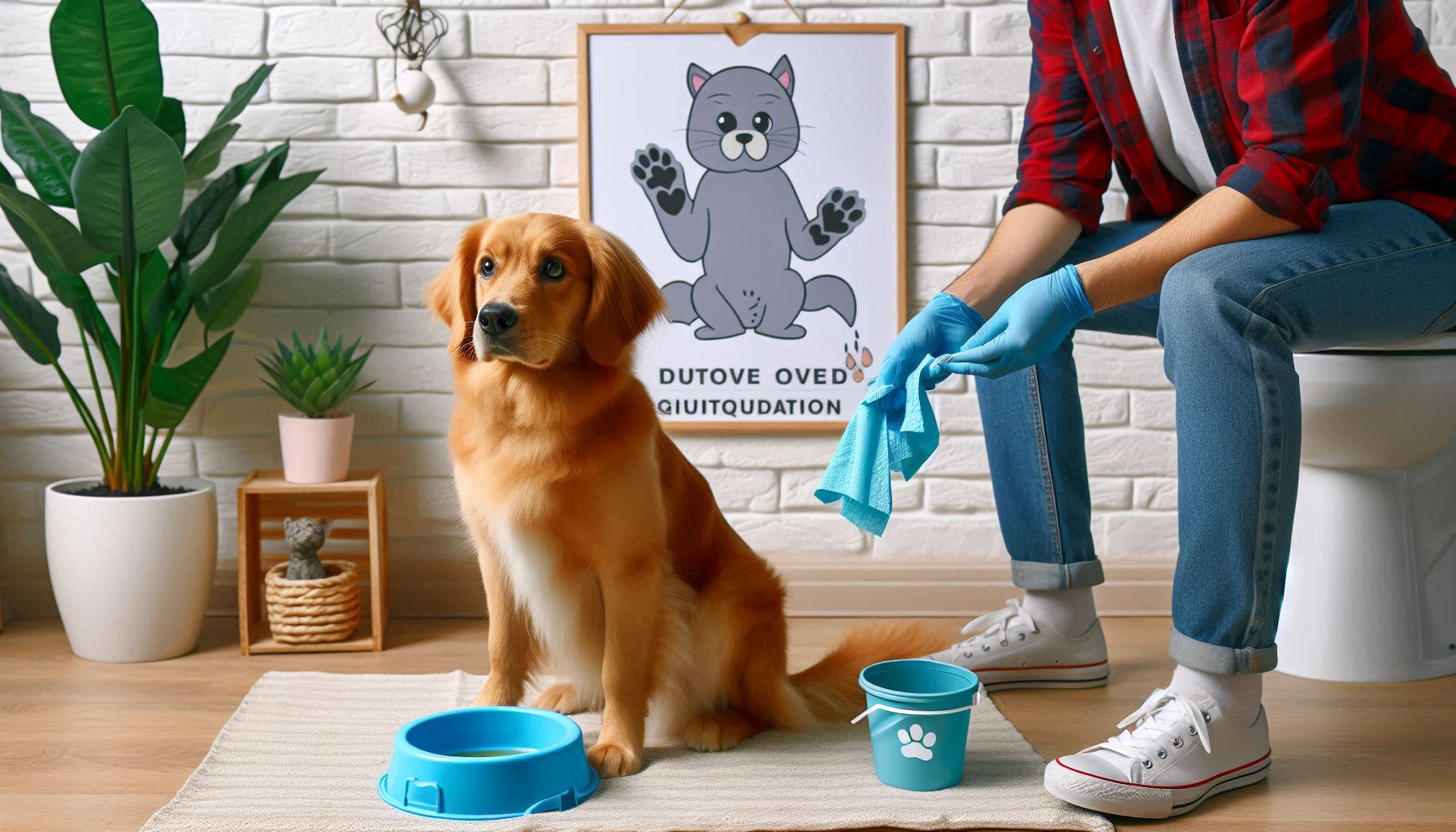
Step-by-Step Guide on How to Potty Train a Dog
Establish a Routine That Works: Building Your Foundation
While I first conveyed home my bouncing golden retriever puppy, https://www.humaneworld.org/en/resources/how-potty-train-your-dog-or-puppyI exposed that successful housebreaking a puppy twitches with making a predictable daily arrangement that your furry friend can trust on. The most actual dog potty training steps begin with attractive your puppy outside directly after waking up, within 15 minutes of eating, after play assemblies, and right before bedtime – this reliable timing helps their body develop ordinary bathroom conducts.
Puppy toilet training becomes suggestively easier when you establish a routine that comprises the same door, the equivalent outdoor spot, and the same inspiring words like “go potty” every single time, making clear relations in your dog’s mind. Throughout my knowledge training multiple dogs, I erudite that puppies thrive on expectedness, so preserving identical meal times, walk timetables, and bathroom breaks eradicates confusion and hurries the learning procedure. This organized approach alters what seems like an irresistible task into manageable, repeatable activities that both you and your puppy can master organized, setting the period for long-term success and a happier domestic.
Pick a Potty Spot That Sets Your Puppy Up for Success
One of the most crucial dog potty training steps that I learned while housebreaking a puppy is choosing the perfect outdoor location and sticking to it religiously throughout the entire training process. When you pick a potty spot, select an area in your yard that’s easily accessible, away from high-traffic zones, and has good drainage so your puppy won’t be standing in puddles during rainy days. The clandestine to successful puppy toilet training lies in attractive your dog to this careful same spot each single time – whether it’s 6 AM or midnight – because the conversant scents and location create powerful spiritual triggers that tell your puppy “this is wherever I go to the bathroom.”
Through my years of training dogs, I’ve realized possessors make the error of randomly selecting different parts each time, which complicates the puppy and decelerates down development knowingly. Your selected spot must be close sufficient to your door for rapid access throughout emergencies but far sufficient from play parts and food zones to preserve proper hygiene limitations, creating a clear dissimilarity in your dog’s mind among bathroom interplanetary and living space.
Use Positive Reinforcement to Build Success Habits
The most effective dog potty training steps I’ve discovered during my years of housebreaking a puppy revolve around celebrating every single success with immediate rewards that make your dog excited about going potty outside. When you use positive reinforcement through puppy toilet training, timing is all – the instant your puppy finishes profitable in the right spot, shower them with enthusiastic approval like “Good potty!” followed by their preferred treat or a rapid play session to make powerful positive relations. I knowledgeable this lesson with my stubborn beagle that originally showed no attention in outdoor bathroom breaks until I ongoing carrying high-value pleasures and making each successful potty excursion feel like winning the lottery for him.
The magic ensues when your puppy starts linking the dots between goings outdoor, doing their business, and getting amazing plunders, which converts what could be a demanding knowledge process into an thrilling game they need to win. This method works because dogs logically want to please their proprietors and reappearance performances that take them joy, creation positive reinforcement markedly more actual than punishment or admonishment, which only makes fear and mistake that, slows down the entire training procedure.
Common Potty Training Methods
Crate Training Method: The Natural Den Solution
The crate training method everything brilliantly because it taps into your dog’s normal instinct to keep their sleeping part clean, which I revealed when my rescue pit bull mix distorted from having accidents universally to holding it flawlessly after just two weeks of steady crate training dogs repetition. Unlike paper training that can complicate dogs about where it’s satisfactory to go, or outdoor potty training that trusts heavily on weather and timing, banger training generates a controlled situation where your puppy learns bladder control logically.
When you properly size the crate – large sufficient for your dog to stand, turn everywhere, and lie down securely but not so big they can use one corner as a bathroom – your whippersnapper will impulsively avoid soiling their sleeping planetary and will whine or cut to signal they essential to go out. The beauty of crate training dogs lies in its obviousness: you take them conventional from the banger to their designated potty spot, compensation success directly, then progressively increase the time between breaks as their bladder volume grows.
This process works faster than paper training because it doesn’t teach the puzzling lesson that going confidential is occasionally okay, and it’s more consistent than outdoor potty training unaccompanied because it builds genuine bladder control slightly than just hoping you catch the correct instants.
Paper/Pad Training Method: The Indoor Solution
Paper training converted my lifesaver while I lived in a high-rise bed-sitter with my aging dachshund who couldn’t handle several daily pulley trips, verifying that this method works dreamily for exact conditions where outdoor potty training isn’t always practical or imaginable. Unlike crate training dogs which focus on erection bladder control through internment, paper training teaches your dog that sure indoor spots are suitable bathroom areas by placing permeable pads or newspapers in chosen corners of your home. The key to effective paper training lies in progressively affecting the papers closer to your door over time, then finally transitioning outdoor, which bridges the gap among indoor suitability and outdoor potty training goals.
I conversant that paper training works best for small dogs, elder dogs with elasticity issues, or puppies who aren’t fully vaccinated yet and can’t carefully go outside, creation it more stretchy than crate training dogs in these special conditions. This method needs patience because you’re basically teaching two lessons – first that papers are the correct place to go, then later that outdoor is even better – but it delivers a care net that outdoor potty training only can’t offer when weather, fitness, or living circumstances brand outdoor communication challenging.
Outdoor Training Method: The Direct Approach to Success
Outdoor potty training represents the most straightforward and natural approach I’ve used with countless dogs, where you skip indoor alternatives like paper training and teach your puppy from day one that bathroom business happens exclusively outside. Unlike crate training dogs which uses confinement to build control, or paper training which can create confusion about acceptable indoor spots, outdoor potty training establishes clear boundaries by taking your puppy outside every 2-3 hours, immediately after meals, and whenever they show signs of needing to go.
When I trained my energetic border collie mix using this method, I discovered that the key lies in staying outside long enough for success to happen – sometimes 15-20 minutes – then celebrating enthusiastically to create positive associations with outdoor elimination. Outdoor potty training works faster than paper training because there’s no mixed message about where it’s okay to go, and it builds stronger habits than crate training dogs alone because your puppy learns to actively seek outdoor relief rather than just hold it.
The challenge with this method is that it requires your complete commitment to frequent outdoor trips regardless of weather, time of day, or your schedule, but the payoff is a dog who instinctively heads for the door when nature calls rather than looking for indoor alternatives.
Common Potty Training Mistakes to Avoid
Top Puppy Potty Training Mistakes That Sabotage Your Success
The greatest overwhelming puppy potty training mistakes I’ve witnessed completed years of helping irritated dog owners stem from contradiction and punishment-based methods that create lasting dog potty training problems. When possessors yell at their puppy for accidents, clean up messes with ammonia-based cleansers that smell like urine to dogs, or fail to supervise closely enough to catch cautionary signs, they mistakenly sabotage their own growth and make anxious, tangled pets who start hiding their accidents instead of learning proper bathroom conducts.
The main dog potty training problems arise when people imagine too much too soon – puppies under 4 months actually cannot hold their bladder for more than a few hours, yet possessors get frustrated when coincidences happen, not understanding they’re setting impractical opportunities that guarantee failure. I scholarly this lesson the hard way with my first puppy when I complete the classic inaccuracy of rubbing his nose in accidents, which only communicated him to fear me rather than comprehend where he should go, making puppy potty training mistakes that removed months to untie.
Other critical errors include changing routines randomly, using the crate as punishment, or switching between different training methods without giving any single approach enough time to work, all of which confuse your dog and extend the training process unnecessarily.
Potty Training an Older Dog
House Training Older Dogs: Breaking Bad Habits and Building New Ones
House training older dogs presents unique tasks that I exposed when I adopted my 5-year-old rescue German shepherd who had consumed years living in a kennel situation with no proper bathroom training. Dissimilar puppy training, adult dog potty training tips must attention on undoing recognized patterns while a simultaneously teaching new performance, which needs additional patience because adult dogs have extremely ingrained habits that revenue longer to alteration. The most actual house training older dogs method I’ve used includes treating your adult dog precisely like a puppy initially – constant management, frequent outdoor trips every 2-3 hours, and enthusiastic bootees for outside success – because many elder dogs simply never knowledgeable proper house rules rather than being persistent or defiant.
Adult dog potty training tips that work best comprise systematically cleaning all preceding accident spots with enzyme domestics to eliminate scent markers, founding a strict feeding timetable to predict bathroom timing, and never punishing coincidences since older dogs frequently have anxiety or medical subjects contributing to indoor exclusion. The key difference in house training older dogs is knowing that your adult dog strength need veterinary assessment to rule out urinary tract infections, stiffness that makes outdoor access painful, or reasoning problems that distress their aptitude to remember training, creation medical permission an essential first step before beginning any interactive modification sequencer.
FAQ – How to Potty Train a Dog:
Q1: How extended does it yield to potty train a dog?
Potty training typically receipts 4–6 months, but certain dogs may yield up to a year. Reliability, repetitive, and optimistic strengthening speed up the procedure.
Q2: Can you potty train an big dog?
Yes! Older dogs can be potty trained through persistence. Pleasure them like puppies—set a repetitive, income them external often, and recompense them for success.
Q3: What is the wildest way to potty train a puppy?
The wildest way is crate training combined with a strict schedule. Income your puppy outdoor correct after meals, naps, and interval, and compensation them directly when they go in the exact spot.
Q4: Should I punish my dog for accidents?
No, never punish. Penalty generates fear and misunderstanding. In its place, clean the area properly and concentration on rewarding your dog while they go in the right spot.
Q5: Is banger training good for potty training?
Yes, crate training works actual well because dogs obviously circumvent dirtying their snoozing space. Impartial make certain the crate is the correct size and certainly not use it as penalty.
Conclusion:
Potty training a dog might income time, but with patience, consistency, and positive reinforcement, your dog resolve rapidly learn the correct behaviors. Reminisce to set a routine, pick a potty spot, and remuneration your pup each time they succeed. Whether you are exercise a playful puppy or serving an older dog, the important is to stay peaceful and devoted. With the right method, you’ll enjoy a fresh home, a well-trained dog, and a solider bond with your hairy friend.